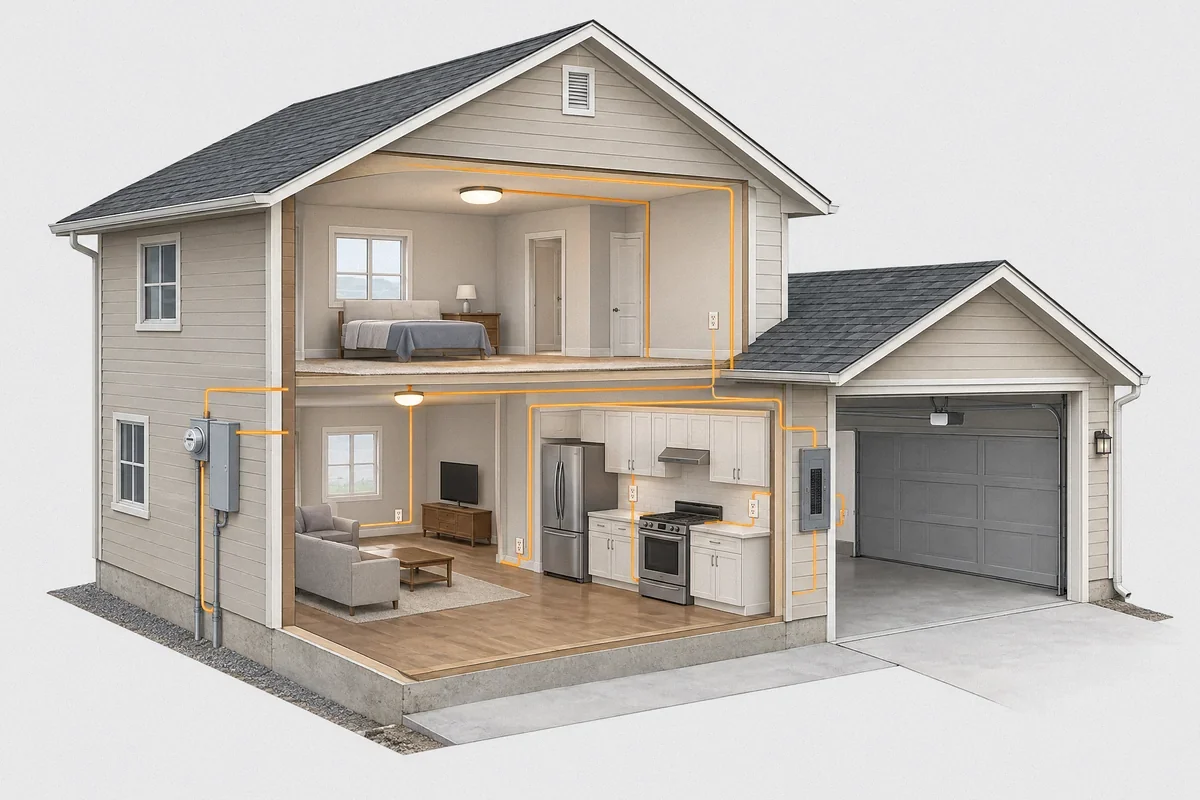
A home electrical system is more than the ampere number printed on the main disconnect. It includes the utility service, meter, main equipment, grounding and bonding, branch circuits, wiring methods, protective devices, and the loads connected today or planned for later. Each part answers a different safety or capacity question.
Bay Area homes often combine equipment from several remodels. Building age can guide an inspection, but it cannot establish the wiring type, panel condition, or available capacity. Read labels from a safe position and use records, calculations, and professional testing when a decision depends on the answer.
Service, panel, and branch circuits
The electrical service is the connection and equipment that deliver power to the property. The main panel or service equipment contains a main disconnect and overcurrent devices. Branch circuits distribute power to lights, receptacles, and equipment. A subpanel distributes circuits downstream but does not, by itself, increase the utility service capacity.
Panel capacity involves several separate checks: the service rating, calculated electrical load, available breaker spaces, equipment condition, and whether installed breakers are listed for that panel. A panel can have empty spaces while the service lacks capacity for a proposed load. It can also be full while a code-compliant design solves the space issue without increasing service amperage.
Grounding, bonding, and circuit protection
Grounding connects the electrical system to earth under defined code rules. Bonding connects conductive parts so a fault has an effective path that helps the protective device operate. These terms are related but not interchangeable.
Standard breakers protect conductors from excessive current. Ground-fault circuit interrupters, or GFCIs, reduce shock risk by responding to current leakage. Arc-fault circuit interrupters, or AFCIs, respond to certain dangerous arcing patterns associated with fire. Some locations and projects require both functions.
As of 2026, the 2025 California Electrical Code is in effect statewide. It is based on the 2023 National Electrical Code with California amendments. Local amendments and the scope of work determine what applies to a specific permit. Existing systems are not automatically required to match every provision for new construction.
How capacity is evaluated
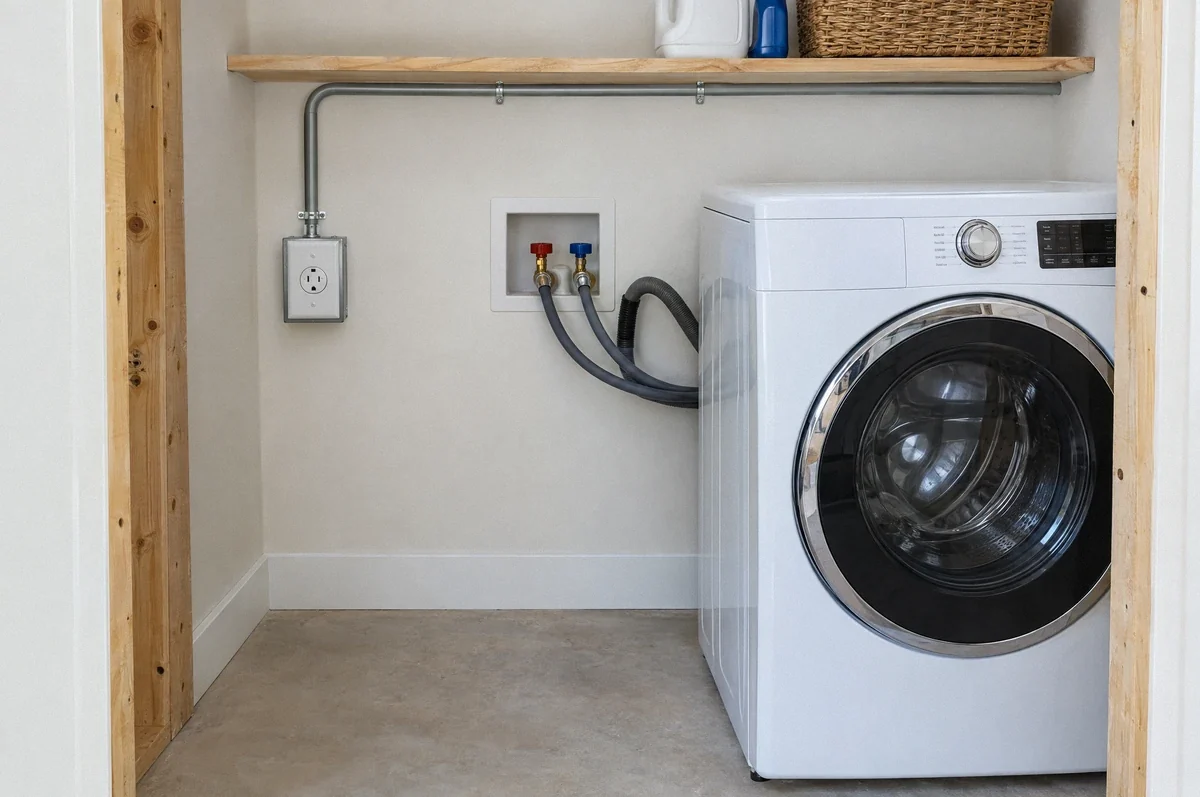
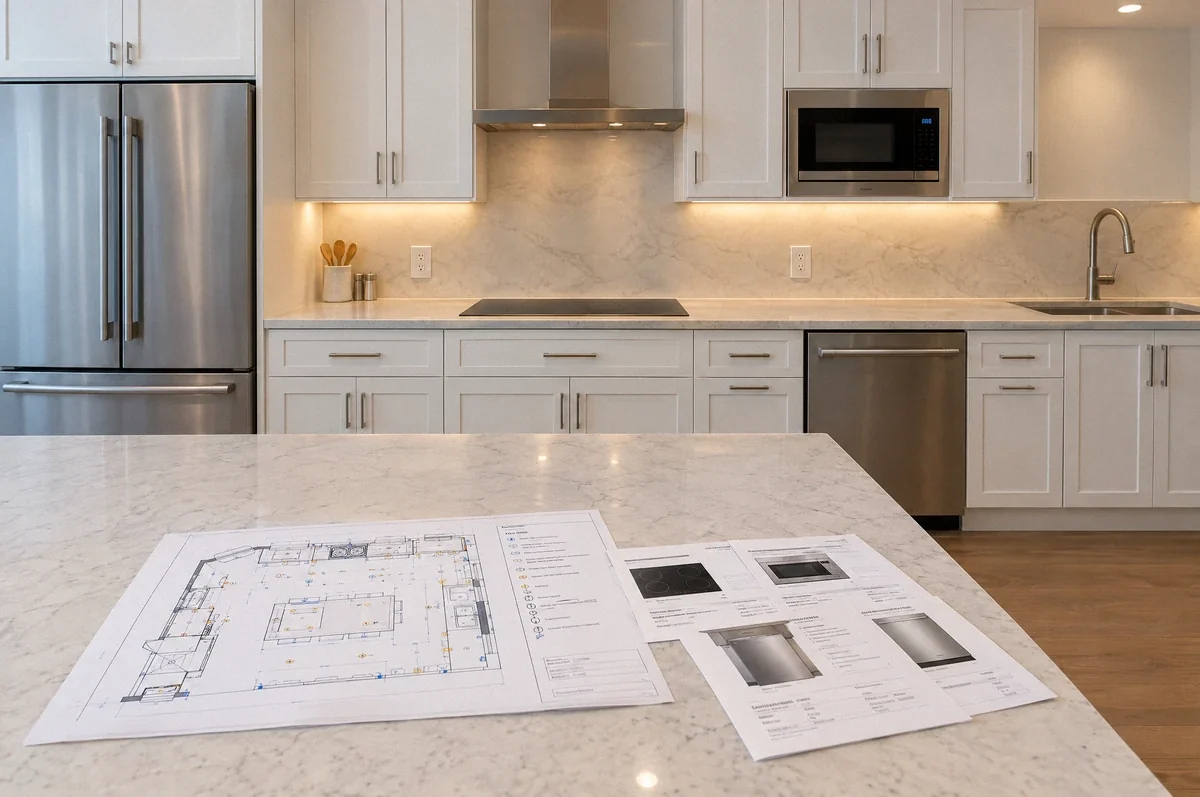
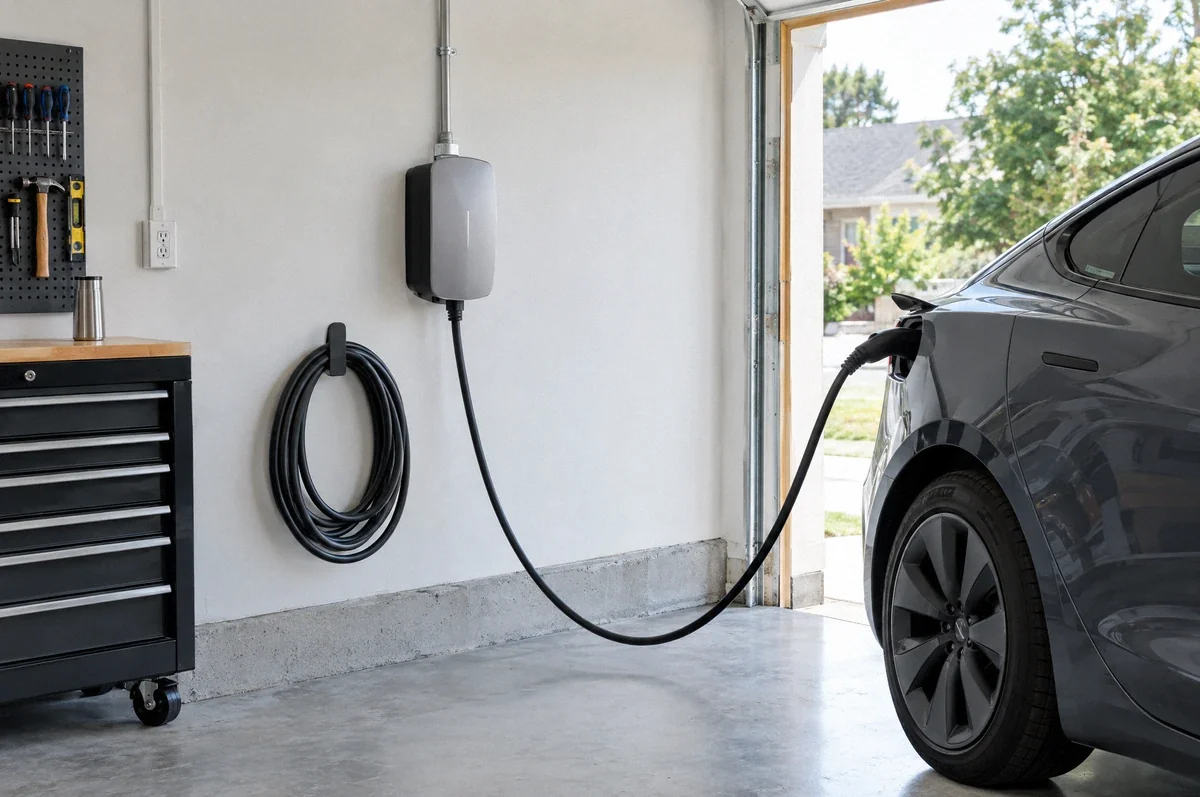
Adding an electric vehicle charger, heat pump, electric water heater, induction range, spa, or accessory dwelling unit can materially change demand. The answer is not found by adding every breaker handle. Residential load calculations apply demand rules because equipment does not all operate at maximum load simultaneously. Some projects may also use permitted load-management equipment or other code methods.
A 100-amp service is not automatically unsafe or inadequate. A 200-amp service is not automatically sufficient for every plan. The calculation, equipment ratings, installation condition, utility requirements, and desired future loads must be reviewed together.
Common warning signs
Arrange evaluation for recurring breaker trips, persistent flicker, warm or discolored devices, damaged covers, buzzing, moisture near equipment, burning odors, or visible arcing. These symptoms do not identify the cause by themselves. A loose connection, overloaded circuit, damaged device, equipment fault, or service issue can produce overlapping symptoms.
Do not increase a breaker size, bypass protection, use extension cords as permanent wiring, or remove a panel cover to investigate. For smoke, fire, or active arcing, leave and call 911.
Planning improvements in the right order
- List the equipment you have and the loads you plan to add.
- Document the service and panel from safe, visible labels and existing records.
- Evaluate condition, capacity, spaces, grounding, and permit requirements separately.
- Compare options such as a new circuit, load management, subpanel, panel replacement, or service upgrade.
- Coordinate the building department and utility when the project requires them.
This sequence prevents one observation, such as a full panel, from becoming an unsupported recommendation for a larger service.
Plan your residential electrical work
Fox Electric provides safety inspections, panel upgrades, and rewiring in the San Francisco Bay Area. Call (650) 550-0719 or send your project details. For new electric loads, read how to evaluate panel readiness.