
Capacity for Your Commercial Equipment
Commercial Panel Upgrade
Adding equipment or replacing an aging panel? We assess commercial panels and the utility power supply in the San Francisco Bay Area. Equipment ratings, landlord approval, and shutdown planning shape the work.
Get a Quote →Discuss your project
Tell Us About Your Project
Choose a service, enter the project city, and share any details that may help us understand the work. You can edit these fields before sending the form.
Serving homes and businesses in the San Francisco Bay Area and Santa Cruz.
(650) 550-0719Fox Electric is the marketing name of Fox Global Holdings LLC. CSLB #1145945, C-10.
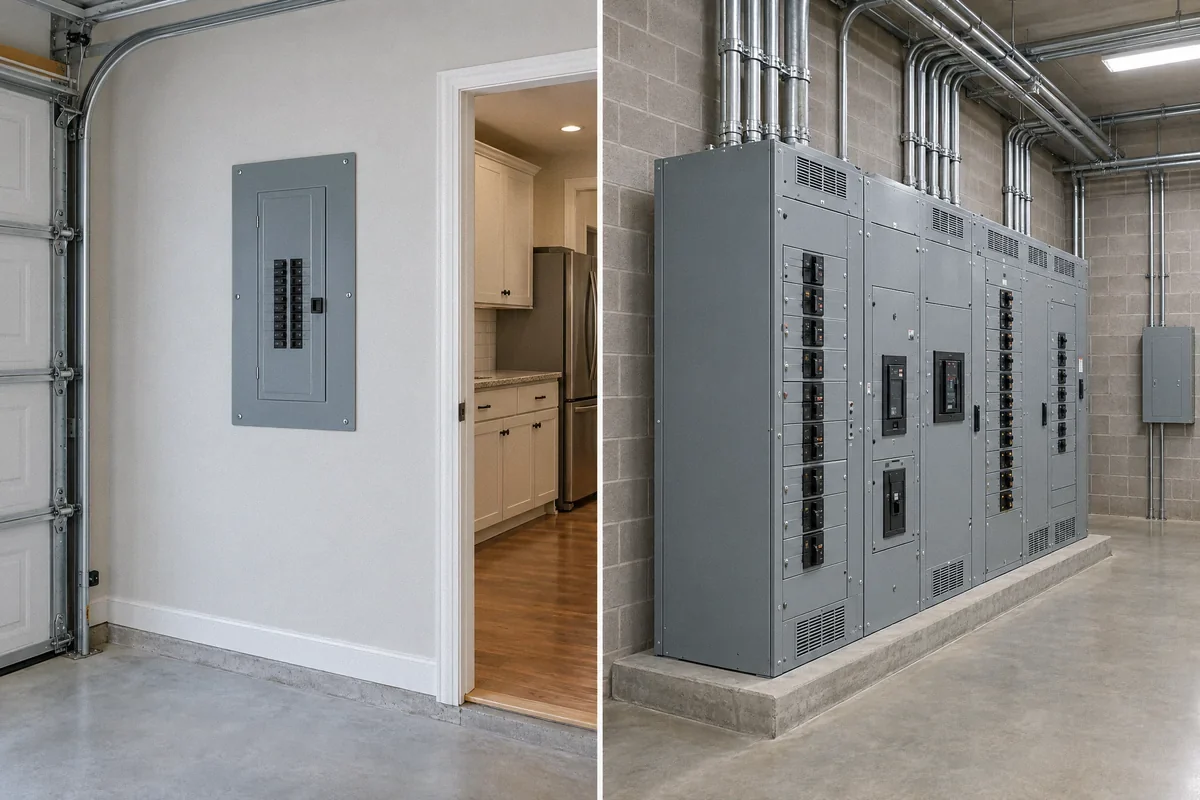
A panel distributes power to circuits; replacing it does not automatically increase the utility supply. Three-phase power uses three alternating electrical supplies and must match the equipment requirements. We review the building distribution and proposed demand before defining the upgrade.
Commercial Panel & Service Upgrades

Commercial Service Capacity
The service is the utility power supply to the building. Review demand and equipment ratings before deciding whether a 400 amp upgrade or another configuration is appropriate.

Switchboards & Distribution
A switchboard distributes power through larger sections of electrical equipment. Replacing it differs from replacing a panel and may require additional design and utility coordination.

Additional Panels
A subpanel is a secondary panel supplied from another panel. It adds circuit space but does not increase the capacity of the utility supply.

Older Panel Replacement
Document the panel model, condition, and available replacement parts. Assess replacement options without assuming an insurance decision from the brand alone.

Tenant Panels
Review equipment requirements, metering arrangements, and the building supply with the tenant, landlord, and project designer.

Utility Coordination
Identify the serving utility, account holder, and application requirements. The utility determines changes needed to its own equipment.
How a Commercial Upgrade Works
Separate equipment selection, approvals, installation, and the planned power interruption.
Review Equipment & Demand
Collect equipment nameplates, the labels showing electrical ratings, and proposed operating schedules. A load calculation assesses demand before the equipment size is selected.
Confirm Design & Approvals
Define the panel, building-supply, and utility work separately. Confirm landlord authorization, design documents, and permit responsibilities.
Plan the Shutdown
Agree on the affected equipment, tenant notifications, and restart sequence. Temporary power requires a separate plan and scope if needed.
Test & Document
Check the installation, update circuit identification, and coordinate required inspections. Specify any engineering studies or drawing updates separately.
For occupied apartment buildings, our multifamily panel upgrade guide covers tenant notices, access to apartments, and scheduling power outages.

Three-Phase Capacity Planning Example
If a retail tenant proposes new kitchen or cooling equipment, review its electrical ratings before choosing a panel. The assessment would compare demand with the building supply and identify any utility change. This is a planning example, not a completed upgrade.
- Inputs: Equipment ratings and operating requirements
- Building: Verify panel, distribution, and supply capacity
- Approvals: Coordinate tenant, landlord, and serving utility
- Interruption: Define shutdown and restart requirements
Project Pricing
The proposal identifies equipment, installation, access, and coordination costs after a site review. Utility charges, design, testing, and other trade work must be identified as included or separate.
Why Businesses Choose Fox Electric
A Defined Electrical Scope
Distinguish panel replacement from added circuits, building distribution changes, and a utility service upgrade.
Equipment Ratings First
Confirm voltage, phase, and demand from actual equipment information before selecting the supply arrangement.
Interruption Planning
Identify equipment that cannot tolerate an outage and assess separate temporary-power options before setting a shutdown date.
Commercial Three-Phase Power
Verify that the building supply matches the equipment voltage and phase requirements. Capacity alone is not enough.
Utility Responsibilities Identified
The account holder, property owner, designer, and utility may each have approvals or information to provide.
Records for the Next Change
Define panel directories, test records, and drawing updates in the proposal so future work starts with useful information.
Commercial Panel Upgrade Questions
How long does a commercial panel upgrade take?
Timing depends on the equipment, design and permit review, and any utility work. The on-site replacement is only part of the schedule; we confirm the known dependencies after assessment.
Will the business lose power?
A planned interruption is generally part of panel replacement. Identify critical equipment and tenant restrictions early. Temporary power is a separate option to evaluate, not an automatic inclusion.
Do you work on commercial three-phase systems?
Yes. We assess commercial three-phase distribution against the equipment specifications and existing supply. Any change in voltage or phase needs a separate design and utility review.
Who coordinates with the utility?
We define coordination responsibilities in the proposal and identify the actual serving utility. The utility controls its equipment, approval process, and scheduling; the owner or account holder may need to participate.
When is a panel upgrade worth assessing?
New charging, kitchen equipment, heating or cooling equipment, a tenant change, or deteriorated electrical equipment can justify a review. A larger panel alone does not establish that the building can supply the added demand.
How do you choose the supply configuration?
Use the equipment nameplates and manufacturer instructions to establish voltage and phase requirements. Compare them with the existing building supply and the utility options before ordering equipment.
What should a tenant arrange first?
Confirm landlord authorization and identify who controls the electrical room and utility account. Agree on responsibility for shared-building work, notices, and costs before setting the scope.
What determines the price?
Panel condition, equipment availability, cable routes, building distribution, utility work, and shutdown requirements affect cost. A proposal follows review of those conditions and states any exclusions.
Get in Touch
Need More Electrical Capacity?
Share the address, proposed equipment, and available panel information. Call (650) 550-0719 or request an assessment.
Ask about the scope and fee for an assessment, diagnosis, or inspection before booking.
(650) 550-0719Related electrical guides
Continue with a guide that addresses the next planning decision.
Industry Insights
Residential vs. Commercial Electrician: How the Work Differs
Residential and commercial electricians share one California C-10 classification, but property systems, coordination, shutdowns, and documentation can differ.
Read the guide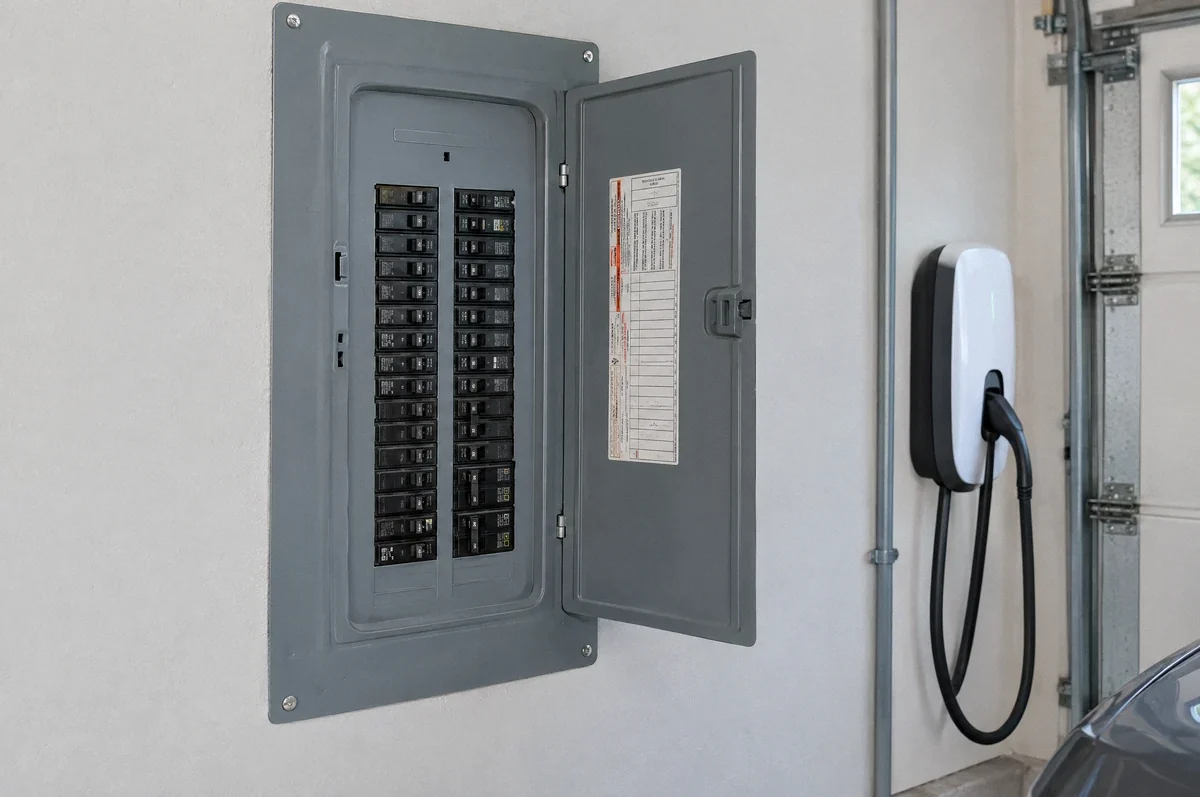
Panels & Service Upgrades
7 Signs Your Electrical Panel Needs an Assessment
Recognize urgent electrical symptoms and separate a wiring repair, a panel replacement, and a service-capacity upgrade.
Read the guide