
Find the Cause Before Choosing a Repair
Electrical Troubleshooting & Repair
A dead outlet or tripping breaker is a symptom, not a diagnosis. We test the affected circuit and explain repair options. For smoke, fire, or suspected fire, leave and call 911.
Request a callback →Discuss your project
Tell Us About Your Project
Choose a service, enter the project city, and share any details that may help us understand the work. You can edit these fields before sending the form.
Serving homes and businesses in the San Francisco Bay Area and Santa Cruz.
(650) 550-0719Fox Electric is the marketing name of Fox Global Holdings LLC. CSLB #1145945, C-10.
Electrical Symptoms That Need Diagnosis
Note which equipment is affected and when. Do not repeatedly reset a breaker that keeps tripping.

Dead Outlets
An outlet may lose power because a protective device has operated or a connection has failed. We trace the circuit to identify the cause.
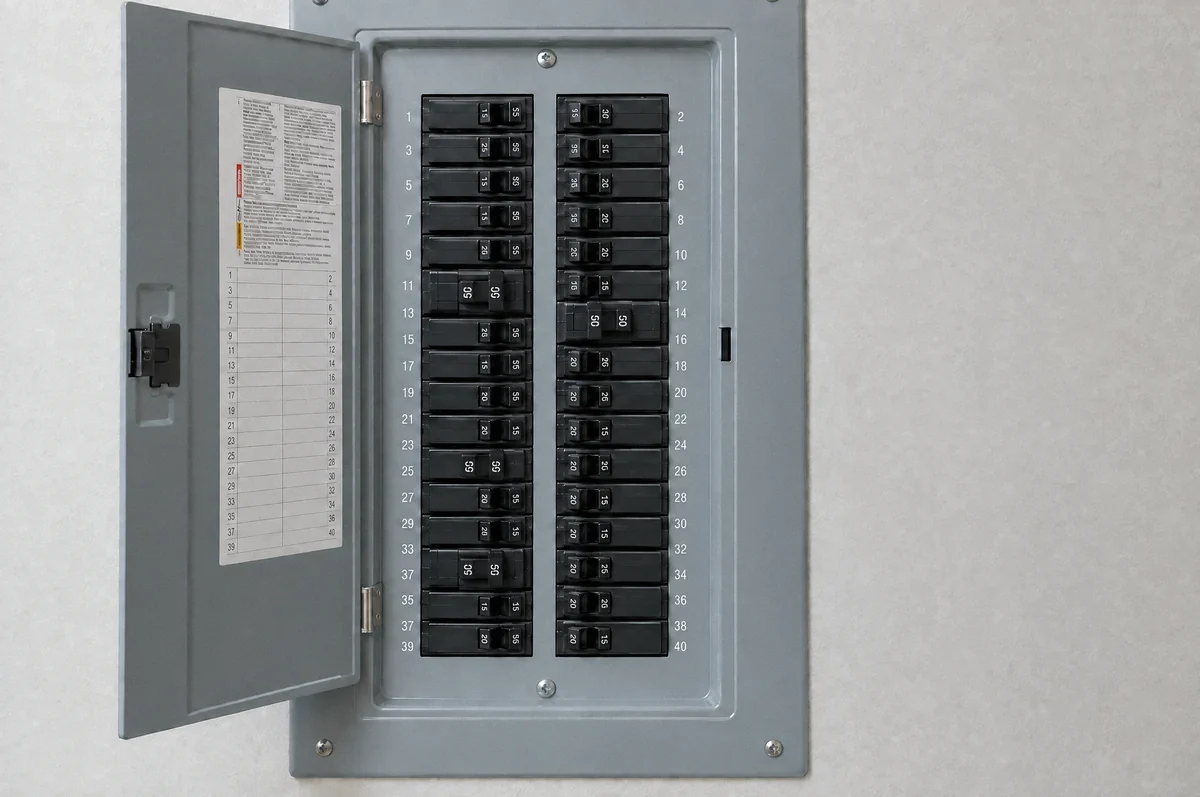
Tripping Breakers
Too much demand, a faulty appliance, damaged wiring, or a breaker fault can cause trips. Testing separates these possibilities.

Flickering Lights
We check affected lamps, controls, connections, and voltage supply. Note whether one room or the whole home is affected.

Buzzing or Humming
Some equipment produces sound normally, while unusual noise can signal a fault. Sound alone does not prove that a connection is sparking.

Hot Outlets or Switches
Unusual heat, discoloration, or melting needs prompt attention. Stop using the affected device and arrange an assessment.

Burning Smell
If you suspect a fire, leave the building and call 911 from a safe location. Do not approach a smoking or sparking panel or wait for a repair visit.

Partial Power Loss
A fault in the home or utility supply can affect part of a property. We assess the supply and identify who needs to address it.

Older Wiring
We assess condition, connections, previous alterations, and use. Age alone does not establish that the whole house needs rewiring.
Call to Repair
Confirm diagnostic terms and review the findings before approving a repair.
Describe the Symptoms
Tell us what stopped working and whether you noticed heat or unusual sounds. For suspected fire, leave and call 911.
Diagnostic Visit
We inspect and test affected equipment and accessible wiring. Confirm the diagnostic charge and scope when booking.
Review the Repair
We explain findings and the proposed repair. Access, parts, or further testing may affect the scope.
Test the Work
We check the repaired circuit and explain remaining issues or next steps.
Why Fox for Troubleshooting
Test Before Replacing Parts
We use symptoms and electrical measurements to narrow down the problem.
Circuit-Level Assessment
A dead outlet can have a cause elsewhere on the circuit. The review extends beyond the device when needed.
Compatible Repair Parts
Replacement breakers and devices must suit existing equipment. Parts availability can affect scheduling.
Findings You Can Use
We explain what was identified, what the repair addresses, and whether more investigation is needed.
Panel Condition Review
If testing points to the panel, we assess its condition and compatibility before recommending repair or replacement.
Repair Scope Explained
We explain which equipment needs repair, what testing supports that decision, and whether any other findings need a separate assessment.
Troubleshooting Questions
How soon can you visit?
Call to check availability. For smoke, fire, or suspected fire, leave and call 911. Do not wait for an electrician.
What does troubleshooting cost?
A diagnostic visit involves inspection and testing to find a fault. Confirm its charge before booking; a repair quote may follow once the cause is understood.
Can you repair the fault during the diagnostic visit?
That depends on what failed, safe access, and compatible parts. We explain whether the repair can proceed or needs another visit.
What if the problem is with PG&E equipment?
Utility equipment requires utility attention. We explain findings and coordination needed; PG&E determines its response and repair schedule.
My breaker keeps tripping. Should I replace it?
It may be responding to a problem elsewhere. Do not repeatedly reset it or replace it with a larger breaker to stop trips. The circuit and connected equipment need diagnosis.
What does aluminum wiring need?
Older solid aluminum wiring serving outlets and lights needs attention at connections. The U.S. Consumer Product Safety Commission describes replacement and specific repair methods; assessment determines the scope.
Can you assess knob-and-tube wiring?
Yes. Knob-and-tube is an older system with separate wires supported by ceramic fittings. We assess active wiring, visible condition, alterations, and use before recommending repairs or replacement.
What if the problem returns?
Contact us with symptoms and repair details. Further diagnosis may be necessary; coverage depends on the written terms for the original work.
Why does my breaker keep tripping even after I reset it?
Repeated tripping can result from excess demand, a wiring fault, connected equipment, or the breaker itself. Leave a repeatedly tripping circuit off and have the cause checked. Do not keep resetting or force the breaker.
My breaker won't reset. Is that an emergency?
Leave the breaker off and arrange an electrical assessment. The symptom alone does not identify the cause, and forcing or repeatedly resetting it is not a repair. Smoke, fire, or an immediate threat calls for 911 from a safe location.
Why does my AFCI / arc-fault breaker keep tripping for no reason?
An arc-fault circuit interrupter (AFCI) detects certain unintended electrical arcs, which are discharges across a gap. Repeated trips can involve wiring, a connected device, or the protective equipment. Diagnosis should establish the cause before anything is replaced or bypassed.
Half my outlets stopped working but the breaker isn't tripped. Why?
Several faults can produce that symptom, including loss of supply or a protective device elsewhere on the circuit. We trace the affected circuit before recommending a repair; the symptom alone does not identify a failed connection.
Why do my lights flicker or dim when the AC or an appliance turns on?
Starting equipment can affect voltage, but the pattern and severity need assessment. Note which lights change and what equipment is operating. New, persistent, or worsening flicker should be checked rather than attributed to one cause from the symptom alone.
Are flickering lights throughout the house dangerous?
Persistent flicker in several areas warrants prompt assessment. It can have more than one cause, including building wiring or the utility supply. Keep clear of any hot, damaged, or sparking electrical equipment.
Is the buzzing or humming sound from my electrical panel normal?
New or pronounced buzzing or crackling needs assessment, especially with heat, smell, or visible damage. Do not remove the panel cover. For smoke, fire, or an immediate threat, leave and call 911 from a safe location.
Electrical Troubleshooting & Repair Across the Bay Area
Explore local planning information for electrical troubleshooting & repair, including permit and utility coordination.
More city planning guides
Get in Touch
Arrange an Electrical Diagnostic Visit
Call (650) 550-0719 to discuss the symptoms and visit availability. For smoke or suspected fire, leave and call 911.
Ask about the scope and fee for an assessment, diagnosis, or inspection before booking.
(650) 550-0719Related electrical guides
Continue with a guide that addresses the next planning decision.
Troubleshooting
Why Do My Breakers Keep Tripping? Causes and Safe Next Steps
Repeated breaker trips can involve overloads, faults, appliances, protective devices, connections, or upstream supply. Learn what to document and when to stop.
Read the guide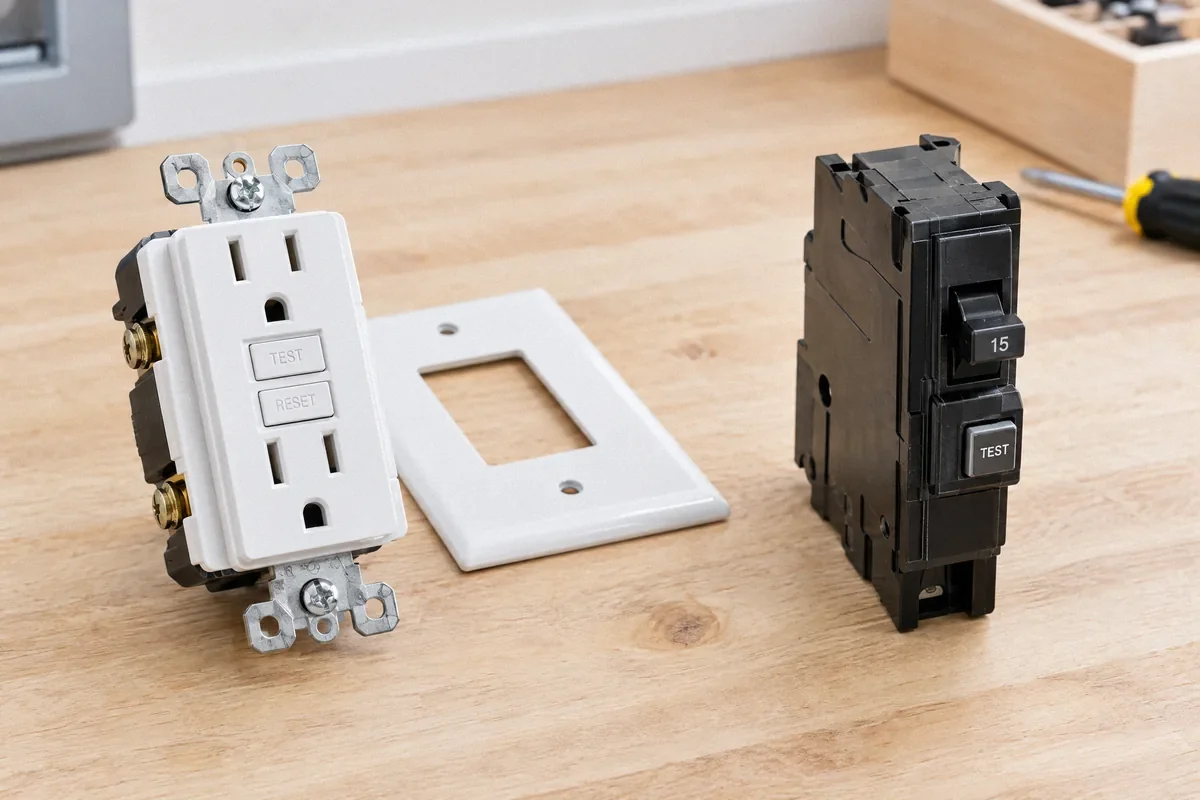
Safety & Code
GFCI vs. AFCI: What California Homeowners Should Know
GFCI protection reduces shock risk, while AFCI protection responds to certain dangerous arcing. Learn how they differ and why project scope matters under current code.
Read the guide