A general home inspection can identify visible electrical concerns, but it is not always enough to answer a buyer's detailed questions about an older panel, altered wiring, or capacity for new equipment. A focused electrical inspection gives you a clearer record of what is present, what needs further testing, and which improvements are urgent, planned, or optional.
The most useful time for this work is during your inspection contingency, with enough time left to review the findings. The electrician should know your plans, such as an electric vehicle charger, heat pump, induction range, workshop, or accessory dwelling unit. Those plans can change the questions that matter, but they do not make a service upgrade automatic.
What the inspection should cover
Scope varies with the property and access. Before the visit, ask what is included and whether you will receive photos, written observations, repair priorities, or estimates. A focused residential inspection may address:
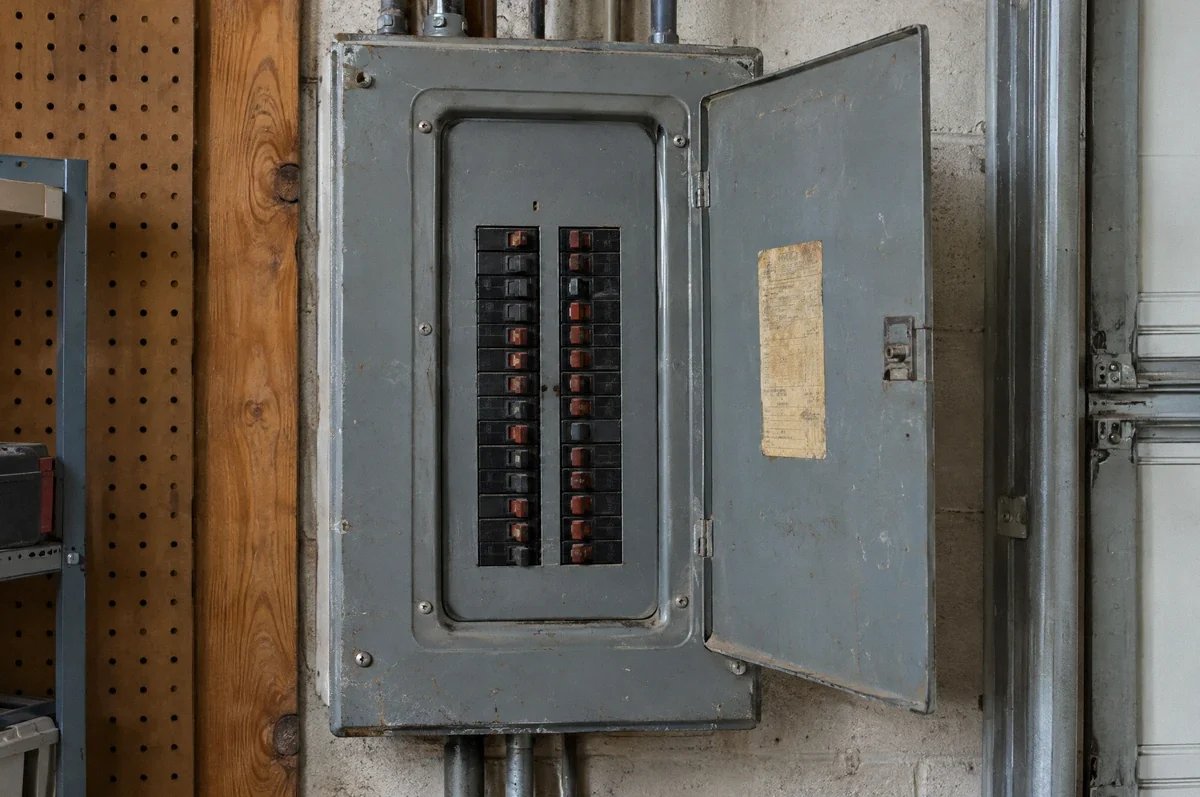
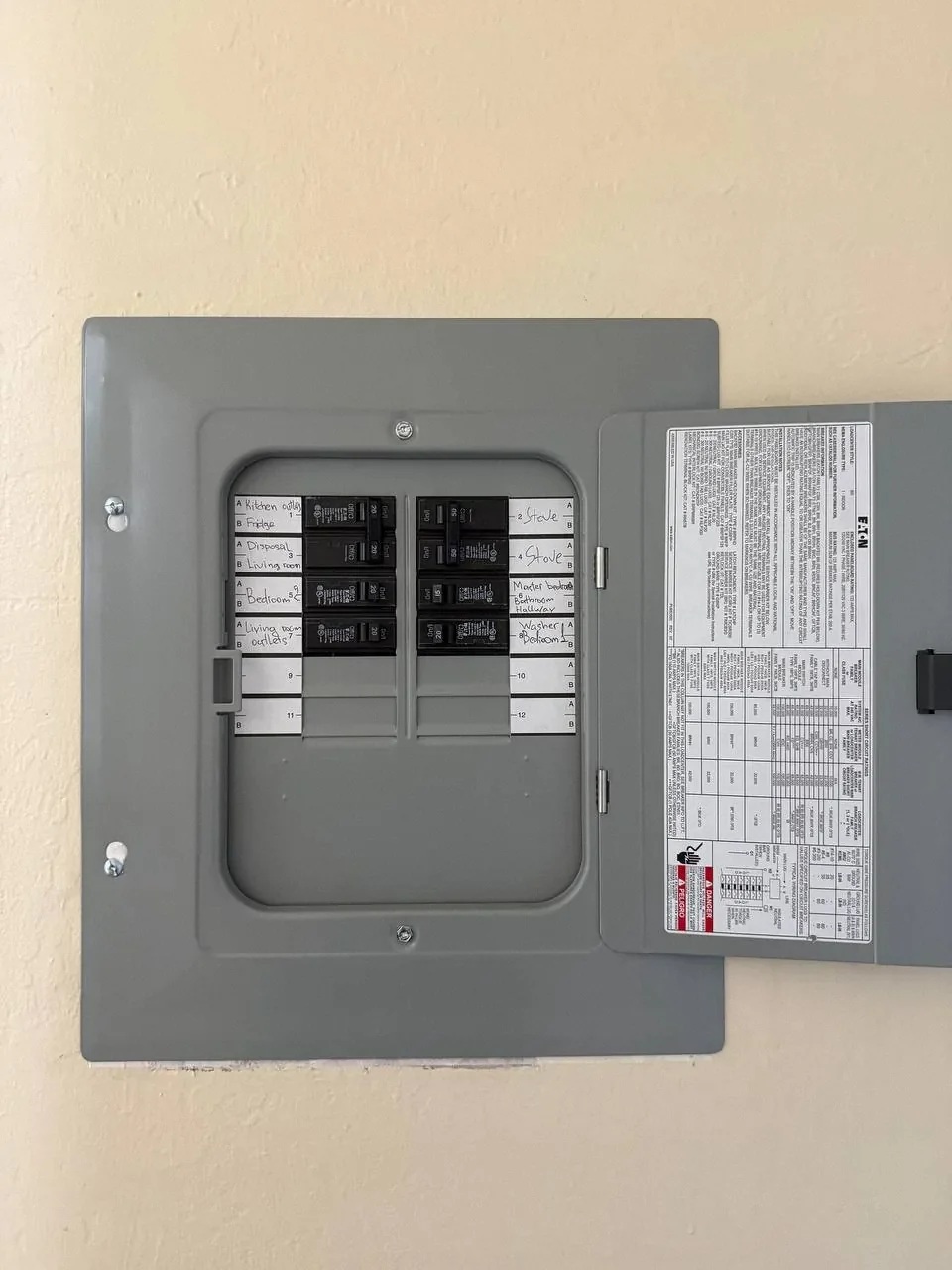
- Service and panel: visible equipment identification, ratings, labeling, breaker compatibility, available spaces, and signs of heat, corrosion, moisture, or improper modifications.
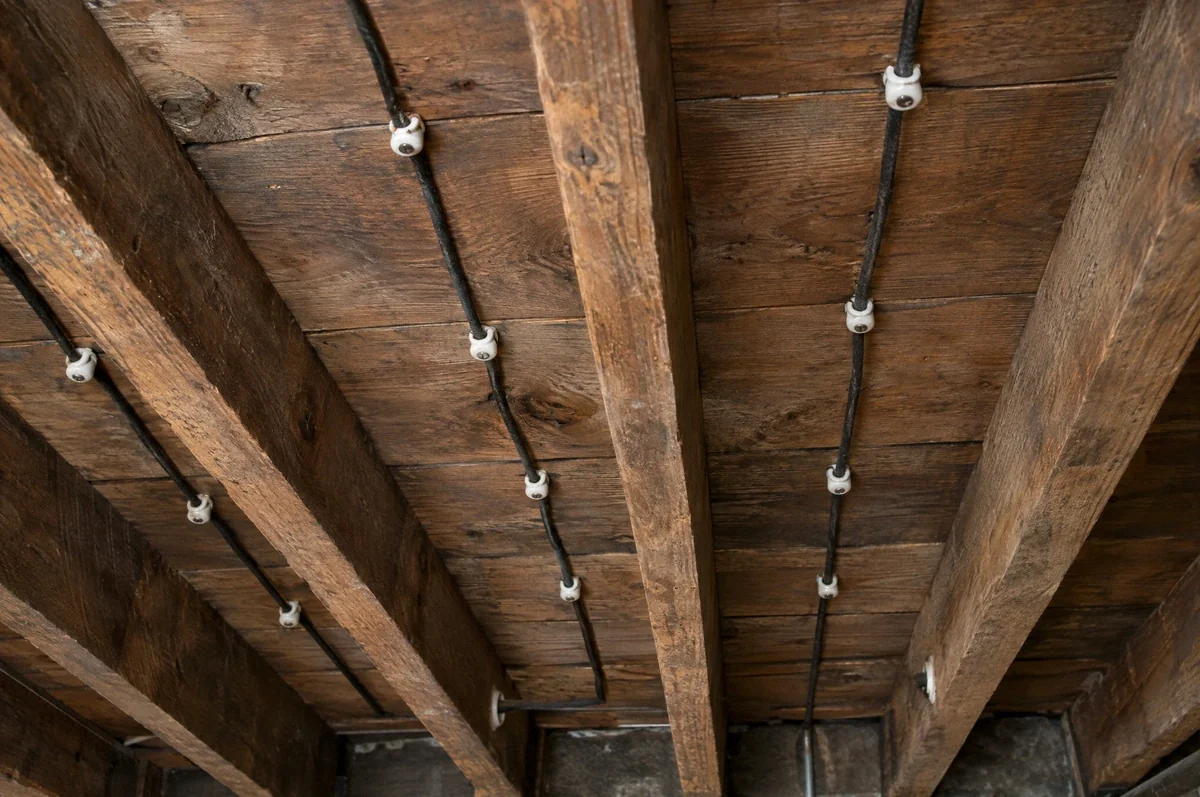
- Branch circuits: wiring types visible at accessible locations, overcurrent protection, grounding, and concerns such as mixed or altered wiring.
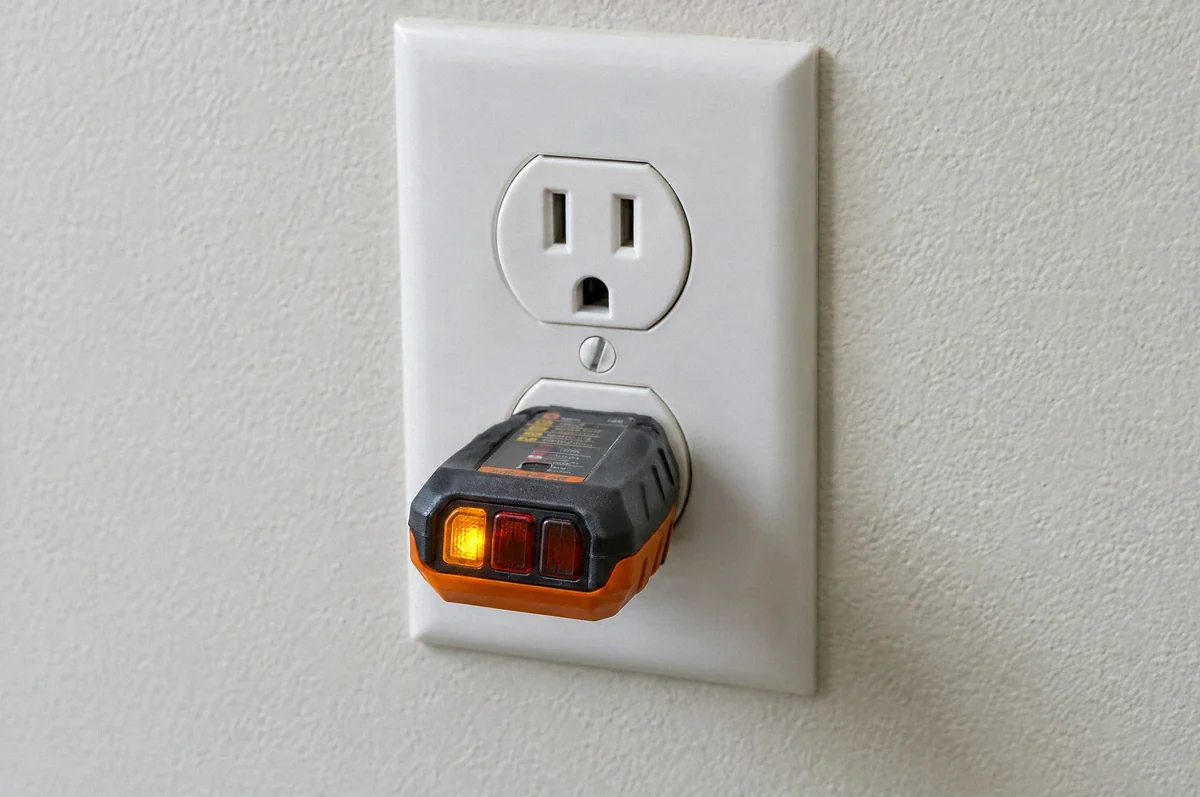
- Receptacles and safety devices: representative testing of outlets and ground-fault circuit interrupter, or GFCI, protection. Arc-fault circuit interrupter, or AFCI, protection may also be reviewed where relevant.
- Known plans: whether the existing system appears suitable for proposed loads, followed by a formal load calculation when the project requires one.
- Accessible exterior equipment: service entrance components, disconnects, outdoor receptacles, and equipment affected by weather.
An inspection is limited by what can be safely accessed. Finished walls conceal wiring. Furniture may block devices. A visual review cannot prove the condition of every connection, and ordinary testing cannot predict every intermittent fault. The report should state those limits rather than imply that the entire electrical system has been certified.
Questions that deserve specialist attention
Buyers often need more detail when the general report mentions an unidentified panel, knob-and-tube wiring, aluminum branch wiring, repeated breaker trips, open splices, missing covers, ungrounded receptacles, or additions with unclear permit history. Building age can suggest where to look, but it cannot diagnose the wiring. Many homes have been altered in stages, and two houses built in the same year can have very different systems.
Permit records are useful evidence, although a missing online record does not by itself prove that work was unpermitted. Records may be incomplete or stored under an older parcel reference. Ask the local building department how to research the address and what its records mean.
How to read the findings
A useful report separates immediate hazards from maintenance, code issues created by the proposed project, and voluntary upgrades. Existing equipment is not automatically required to match every provision of the code used for new work. When you remodel, replace equipment, or add a circuit, the local authority having jurisdiction decides which current requirements apply to that scope.
Ask for plain answers to four questions:
- What evidence supports the observation?
- Does the condition require repair now, further diagnosis, or monitoring?
- What access and restoration work would be needed?
- Which assumptions could change the price or design?
Do not use a generic online price range as a negotiation number. The cost can change with circuit length, access, wall finish, service equipment, utility involvement, permits, and the amount of hidden damage. A written scope tied to the actual house is more useful than a broad estimate.
Safe preparation for the visit
Gather the seller disclosures, general inspection report, remodel history, permit records, and any photos already available. Make a list of symptoms and planned appliances. Provide access to the panel and ordinary outlets, but do not remove the panel cover or disturb questionable wiring yourself. If you see smoke, active arcing, fire, or a burning odor with heat, leave the area and call emergency services.
Arrange a focused electrical review
Fox Electric provides residential electrical safety inspections in the San Francisco Bay Area. Call (650) 550-0719 or send the property details so the visit can be scoped around the home and your plans. For older wiring, read our knob-and-tube guide. If future electrification is the concern, see how panel capacity is evaluated.