
Household Alarm Replacement and Wiring
Smoke & CO Alarm Installation
Review the smoke and carbon monoxide (CO) alarms in your home before replacing them. We check placement, power, model compatibility, and age. For an emergency alarm, leave and call 911.
Request a callback →Discuss your project
Tell Us About Your Project
Choose a service, enter the project city, and share any details that may help us understand the work. You can edit these fields before sending the form.
Serving homes and businesses in the San Francisco Bay Area and Santa Cruz.
(650) 550-0719Fox Electric is the marketing name of Fox Global Holdings LLC. CSLB #1145945, C-10.
What to Check in Your Alarm System
Alarm replacement starts with the home layout, existing equipment, and model instructions. Local requirements determine the final installation scope.

Smoke Alarm Placement
U.S. Fire Administration guidance recommends smoke alarms in each sleeping room, outside each sleeping area, and on every level. We review the layout and applicable local requirements.

Carbon Monoxide Alarms
Carbon monoxide (CO) is a poisonous gas you cannot see or smell. We review alarm locations and power options for the home and the selected model.

Power and Battery Backup
Hardwired alarms use household electrical power. Battery requirements and permitted replacement options depend on the existing installation, product, and applicable rules.

Interconnected Alarms
Interconnected alarms are linked so that one alarm can cause others to sound. The models and connection method must be compatible.

Replacement Timing
The U.S. Fire Administration recommends replacing smoke alarms 10 years from the manufacture date. Follow any earlier replacement instruction or end-of-life signal. For CO and combination alarms, check the specific model instructions.

Combination Alarms
A combination unit detects smoke and CO. Check its approved placement and compatibility with the other alarms before replacing separate units.
Assessment to Protection
Review locations and models, select compatible alarms, and test the installed system.
Review the Existing Alarms
We identify locations, models, dates, power supply, and any reported chirping or faults.
Choose Compatible Equipment
Review replacement models and required connections. A matching plug or brand name alone does not establish compatibility.
Install and Connect
We complete the agreed household alarm installation using the product instructions and applicable requirements.
Test and Explain
We test operation as instructed by the manufacturer and explain testing, battery care, and replacement timing.
Why Fox for Detector Installation
Residential Alarm Scope
This service concerns household smoke and CO alarms. A commercial fire alarm system requires a separate assessment and scope.
Compatibility Reviewed
We check approved model combinations and wiring before adding or replacing interconnected alarms.
Dates and Models Recorded
Knowing the model and replacement date helps you follow the right maintenance schedule.
Placement Assessed
Sleeping areas, levels, product instructions, and local requirements guide the installation plan.
Clear Replacement Scope
The proposal separates alarm replacement from new wiring or additional locations.
Maintenance Explained
Follow the manufacturer instructions for testing and battery replacement. Sealed-battery units must be handled according to their own instructions.
Detector Questions
How do I know when an alarm needs replacement?
Check the manufacture date, model instructions, and any end-of-life signal. Replace smoke alarms 10 years from manufacture, or sooner if the instructions or a fault require it. CO and combination alarm schedules vary by model. A new battery does not renew an expired sensor.
Can a battery-powered alarm replace a hardwired alarm?
Do not assume so. Power and interconnection requirements depend on the existing system, local rules, and project scope. We review the replacement before changing the power arrangement.
Do all my alarms need to be interconnected?
The requirement depends on the home and work being done. Interconnection helps spread the warning through the home, but the devices and connection method must be approved to work together.
Which alarm models can you install?
Model selection depends on power, required features, placement, and compatibility with existing alarms. Share current model numbers so we can review suitable replacements.
What affects installation cost?
Replacing compatible alarms on existing wiring differs from adding locations or new wiring. Alarm count, ceiling access, equipment choice, and required connections affect the scope.
Can you guarantee a home inspection will pass?
No. An inspector reviews the applicable requirements and may identify other issues. Our proposal defines the household alarm work and the checks included.
What should I do when an alarm sounds?
For a smoke or CO emergency alarm, leave the home and call 911 from a safe location. Do not assume it is a low-battery warning. A periodic chirp has model-specific meanings that should be checked only after immediate danger is ruled out.
Get in Touch
Review Your Household Alarms
For a replacement request, call (650) 550-0719 with the alarm models, approximate age, and locations. For an emergency alarm, leave and call 911.
Ask about the scope and fee for an assessment, diagnosis, or inspection before booking.
(650) 550-0719Related electrical guides
Continue with a guide that addresses the next planning decision.
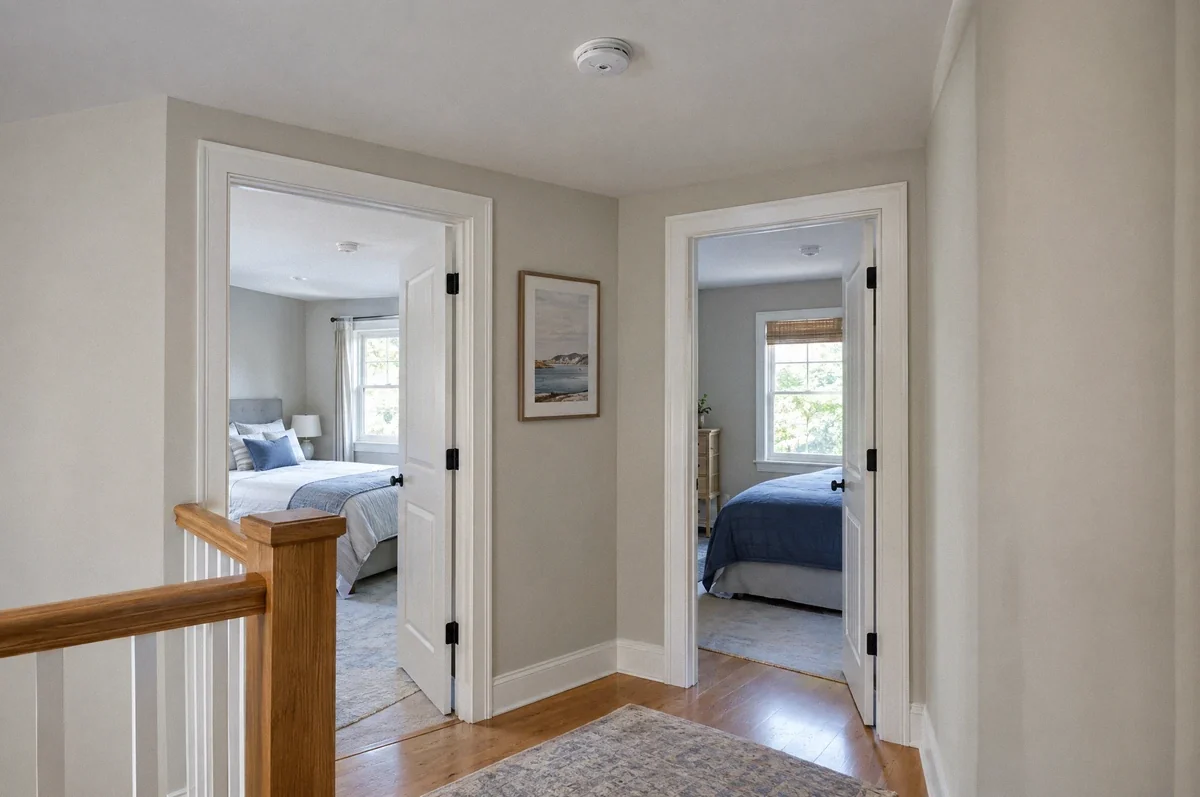
Home Wiring
Smoke and Carbon Monoxide Alarms: Power, Placement, and Interconnection
Power supply and interconnection are separate decisions. Match the alarm system to the floor plan, existing wiring, and project requirements.
Read the guide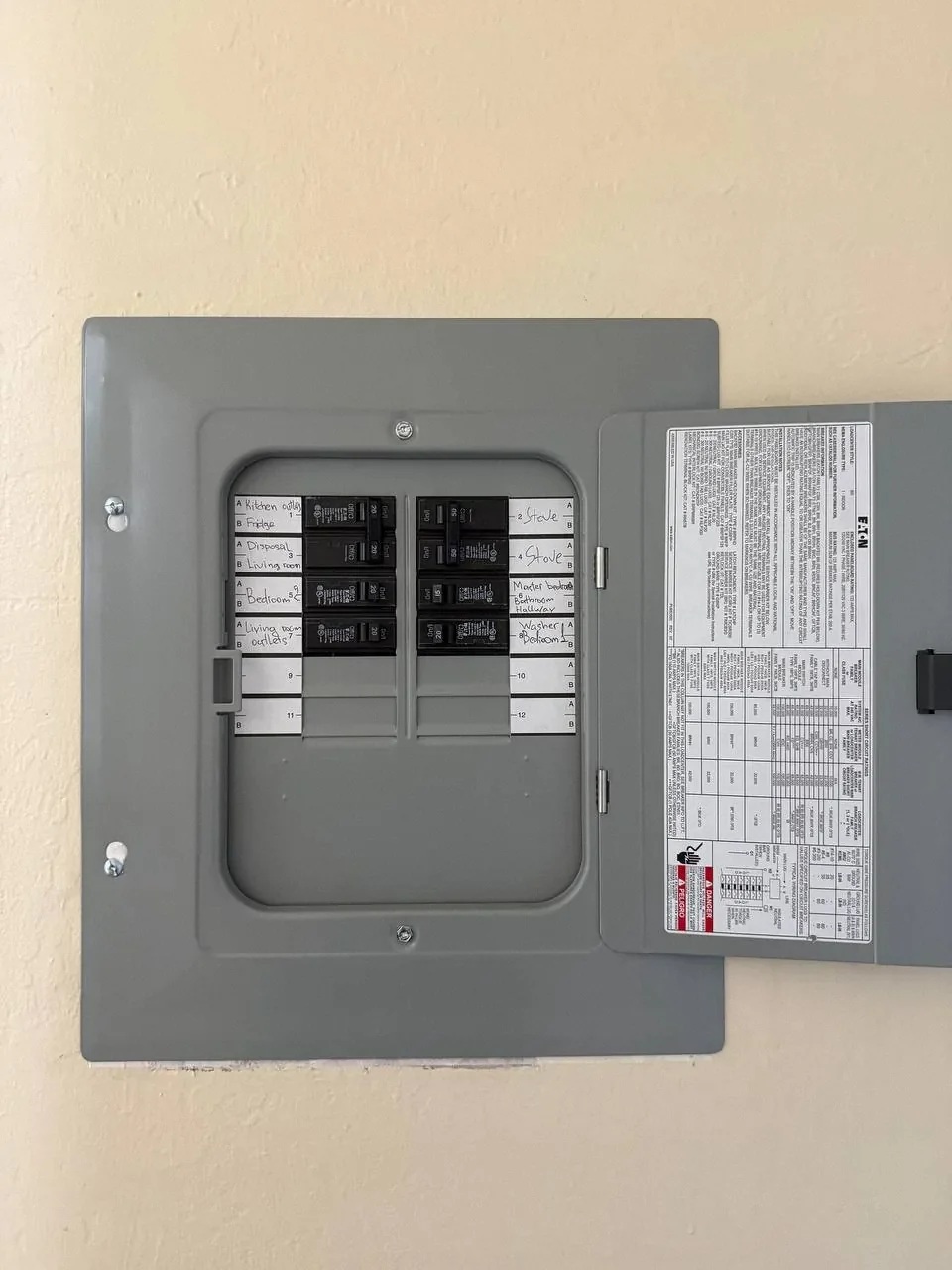
Home Buying
Electrical Inspection Before Buying a Home: What to Check
A focused electrical inspection can clarify panel condition, visible wiring, safety protection, permit questions, and capacity for planned equipment before you buy.
Read the guide