
Safety First, Then Electrical Repair
Emergency Electrical Repair
For smoke, fire, or suspected fire, leave the building and call 911 from a safe location. For an electrical fault once immediate danger is addressed, call us to check repair availability.
Request a callback →Discuss your project
Tell Us About Your Project
Choose a service, enter the project city, and share any details that may help us understand the work. You can edit these fields before sending the form.
Serving homes and businesses in the San Francisco Bay Area and Santa Cruz.
(650) 550-0719Fox Electric is the marketing name of Fox Global Holdings LLC. CSLB #1145945, C-10.
Electrical Hazards and Power Loss
Do not approach damaged electrical equipment. The guidance below helps distinguish an emergency from a repair request.

Sparking Outlets or Panels
Keep away from sparking equipment. If there is smoke, fire, or suspected fire, leave the building and call 911 from a safe location.

Burning Smell
Treat a suspected fire as an emergency: leave and call 911. Do not investigate inside walls or approach the panel to look for the source.

Complete Power Loss
A utility outage or a fault at the property can cause a blackout. Check utility outage information from a safe location; do not open electrical equipment.

Partial Power Loss
A connection or supply fault can affect only part of the home. Describe which areas are affected when arranging assessment.

Exposed or Damaged Wires
Keep people and pets away. Do not touch or move wires. For downed power lines or immediate danger, call 911 and the utility from a safe location.
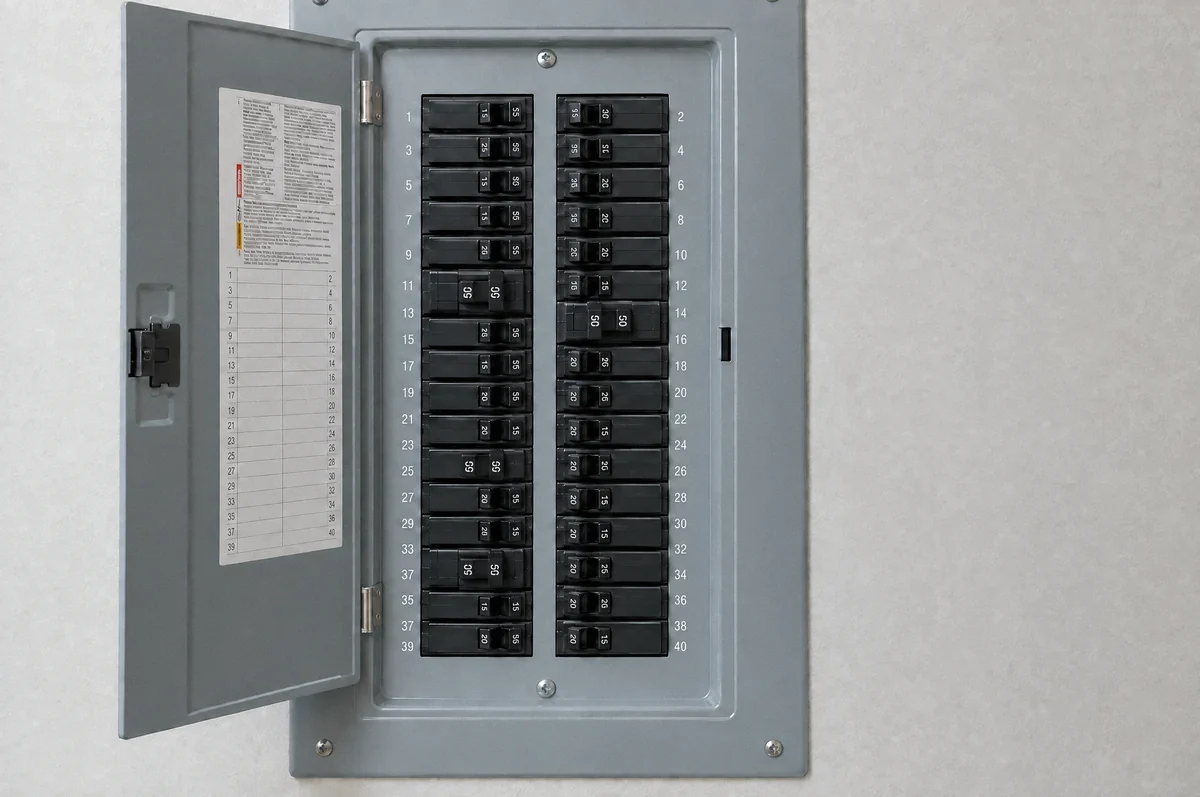
Breakers That Keep Tripping
Do not force a breaker on or repeatedly reset it. Testing is needed to distinguish a circuit fault, equipment problem, or failed breaker.

Hot Panels or Outlets
Unusual heat, discoloration, or melting needs assessment. Avoid the affected equipment; for smoke or suspected fire, leave and call 911.

Water Near Electrical Equipment
Stay out of standing water near wiring or electrical equipment. Do not touch wet equipment or approach the panel. Call emergency services if anyone is in danger.
Call to Repair
Address immediate danger, confirm visit availability, and review the repair scope.
Address Immediate Danger
For smoke, fire, suspected fire, or danger to people, call 911 from a safe location. Do not wait for our response.
Confirm Repair Availability
For an electrical fault after immediate danger is addressed, call us with the symptoms and location. We confirm availability and visit terms.
Diagnose and Review
We assess accessible equipment and explain the fault, repair options, and any need for utility work or further access.
Repair and Test
Once the scope is agreed, we complete the repair and test it. Some work requires additional parts, inspections, or utility coordination.
Why Fox for Emergencies
Safety Before Scheduling
A fire emergency needs emergency services. We discuss repair availability after immediate danger has been addressed.
Diagnosis Based on Testing
We inspect affected equipment and use appropriate measurements to identify the problem.
Repair Options Explained
We explain what can be repaired and when parts, access, or utility work affect the next step.
Property and Utility Scope
Some faults originate inside the building; others involve the utility supply. That distinction determines who can perform the repair.
Clear Visit Terms
Confirm diagnostic charges and the proposed scope when booking. Review repair pricing once findings are available.
Follow-Up Identified
We explain any additional work or inspection needed before the affected equipment can return to service.
Emergency Questions
How fast can you get here?
Call to check current availability. Arrival time depends on location, scheduling, and the situation. For smoke, fire, or suspected fire, evacuate and call 911 instead of waiting for a repair visit.
What does an urgent diagnostic visit cost?
Confirm the visit charge, any after-hours terms, and what the diagnostic service covers when booking. Repair pricing depends on the findings.
What should I do while waiting?
Keep people and pets away from affected equipment. Do not open panels, touch damaged wires, or enter water near electrical equipment. If you suspect a fire, leave and call 911.
Can you complete the repair in one visit?
That depends on the fault and available compatible parts. A damaged panel, concealed wiring, or utility problem may require several steps before power can be restored.
Do you handle PG&E coordination?
We identify when a fault appears to involve utility equipment and explain the coordination needed. PG&E controls work on its equipment and its response schedule.
How is a safety inspection different?
A diagnostic visit focuses on a reported fault. A broader safety assessment reviews an agreed set of accessible electrical components and has separate scope and pricing.
What happens after the repair?
We explain the completed work and any remaining follow-up. Keep the repair record and refer to the written terms for any warranty coverage.
My outlet sparked and smells like burning. What do I do right now?
Stop using the outlet and keep away from it. For smoke, fire, or a suspected active fire, leave and call 911 from a safe place. Do not touch damaged equipment or approach a hot or sparking panel; arrange electrical assessment once the immediate danger is addressed.
Half my house lost power but no breaker tripped. What's wrong?
Partial power loss can originate in the building or the utility supply. The symptom alone does not prove a loose connection in the neutral wire that returns current or identify which equipment failed. Contact the serving utility about an outage and arrange electrical assessment as needed; avoid damaged equipment.
I smell electrical burning but can't find the source. What do I do?
If you suspect an active fire, leave the area and call 911 from a safe location. Do not search inside electrical equipment or approach a hot or sparking panel. A burning smell needs prompt professional assessment even when its source is unclear.
When is an electrical problem an emergency vs. something that can wait?
Smoke, fire, or an immediate threat to people requires emergency services. Stay away from exposed, damaged, or wet electrical equipment. Repeated tripping, new heat, smell, or unusual noise needs prompt assessment; a short online description cannot establish that it is safe to wait.
Who do I call for a power emergency, the electrician or PG&E?
Call 911 for a downed power line or an immediate threat, and keep clear. Report utility outages to the serving utility. An electrician can assess customer-owned equipment, but ownership and the fault location may need investigation.
Emergency Electrical Repair Across the Bay Area
Explore local planning information for emergency electrical repair, including permit and utility coordination.
Get in Touch
Need Urgent Electrical Repair?
For smoke or suspected fire, leave and call 911. Once immediate danger is addressed, call (650) 550-0719 to check repair availability.
Ask about the scope and fee for an assessment, diagnosis, or inspection before booking.
(650) 550-0719Related electrical guides
Continue with a guide that addresses the next planning decision.
Troubleshooting
Why Do My Breakers Keep Tripping? Causes and Safe Next Steps
Repeated breaker trips can involve overloads, faults, appliances, protective devices, connections, or upstream supply. Learn what to document and when to stop.
Read the guide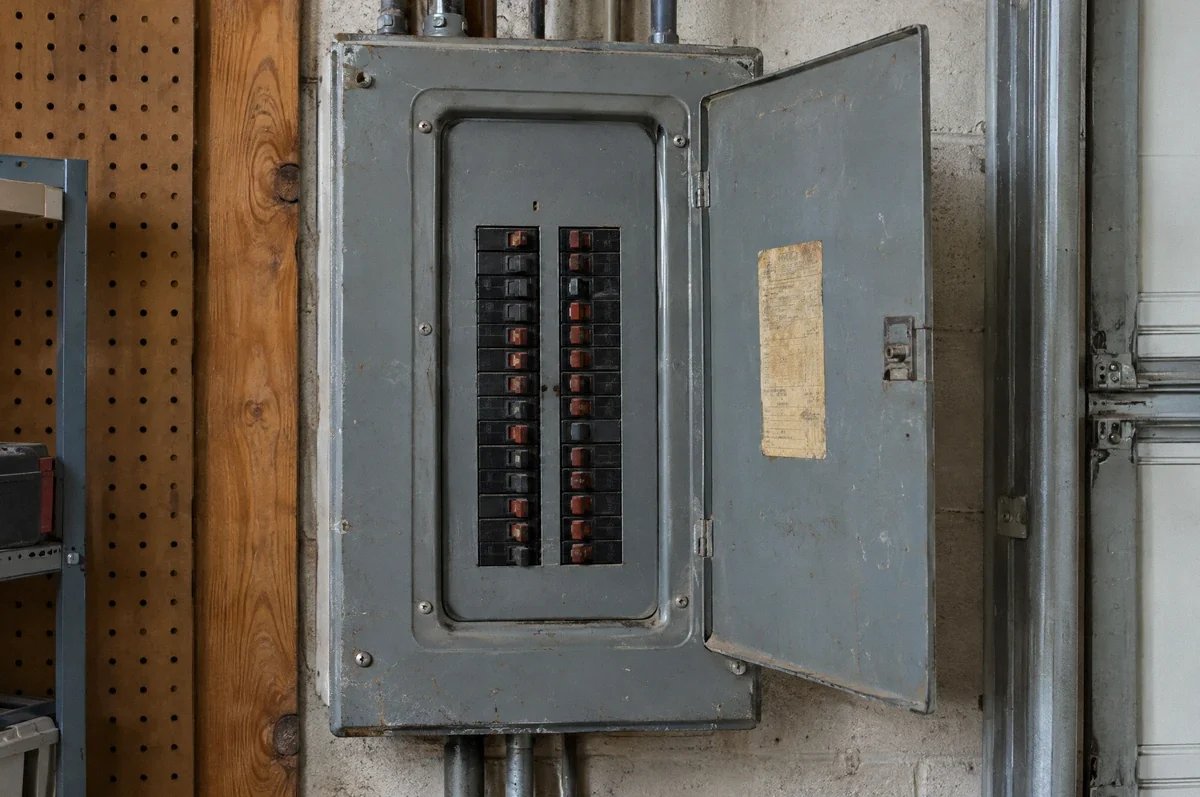
Panels & Service Upgrades
Federal Pacific and Zinsco Panels: Assessment and Replacement
What the FPE evidence establishes, why Zinsco identification needs care, and how to plan a documented panel replacement.
Read the guide