
Start With the Inspection Notice
Electrical Code Compliance
Have an electrical correction notice or a landlord request? Send the written requirements and property address. We assess electrical work in the San Francisco Bay Area and identify the next review steps.
Request a callback →Discuss your project
Tell Us About Your Project
Choose a service, enter the project city, and share any details that may help us understand the work. You can edit these fields before sending the form.
Serving homes and businesses in the San Francisco Bay Area and Santa Cruz.
(650) 550-0719Fox Electric is the marketing name of Fox Global Holdings LLC. CSLB #1145945, C-10.
Electrical Items We Review for Correction
These are examples of electrical items a notice may identify. The actual notice, approved plans, and applicable requirements determine the correction scope.

Shock-Protection Corrections
A ground-fault circuit interrupter (GFCI) helps protect against electric shock. Review the inspection notice and applicable requirements to establish where corrections are needed.

Emergency Lighting Issues
Assess the cited exit signs, emergency lights, or backup components against the approved design and equipment instructions.

Panel Identification
Trace and update the affected circuit labels. Record any circuit that needs further investigation rather than assigning an uncertain label.

Exposed Connections
Review cited wire connections left exposed, missing covers, or damaged wiring protection. Define the repair and any access needed to inspect the affected area.

Breaker & Panel Concerns
Check the panel labels and manufacturer instructions for the cited breaker or connection. Visible spare spaces do not establish available electrical capacity.

Arc-Protection Corrections
An arc-fault circuit interrupter (AFCI) detects certain unintended electrical arcs, which are discharges across a gap. Determine the applicable protection for the work being reviewed rather than assuming every older circuit needs replacement.

Grounding & Bonding Issues
Grounding connects parts of the electrical system to earth; bonding connects metal parts so current from a fault can return to its source and operate protective equipment. Review the specific cited connection or missing component.

Device Location Corrections
Review outlet and switch locations against the approved layout and applicable accessibility requirements with the designer or reviewing authority.
Assessment to Sign-Off
Connect the written notice to a defined repair scope and the required follow-up review.
Review the Notice
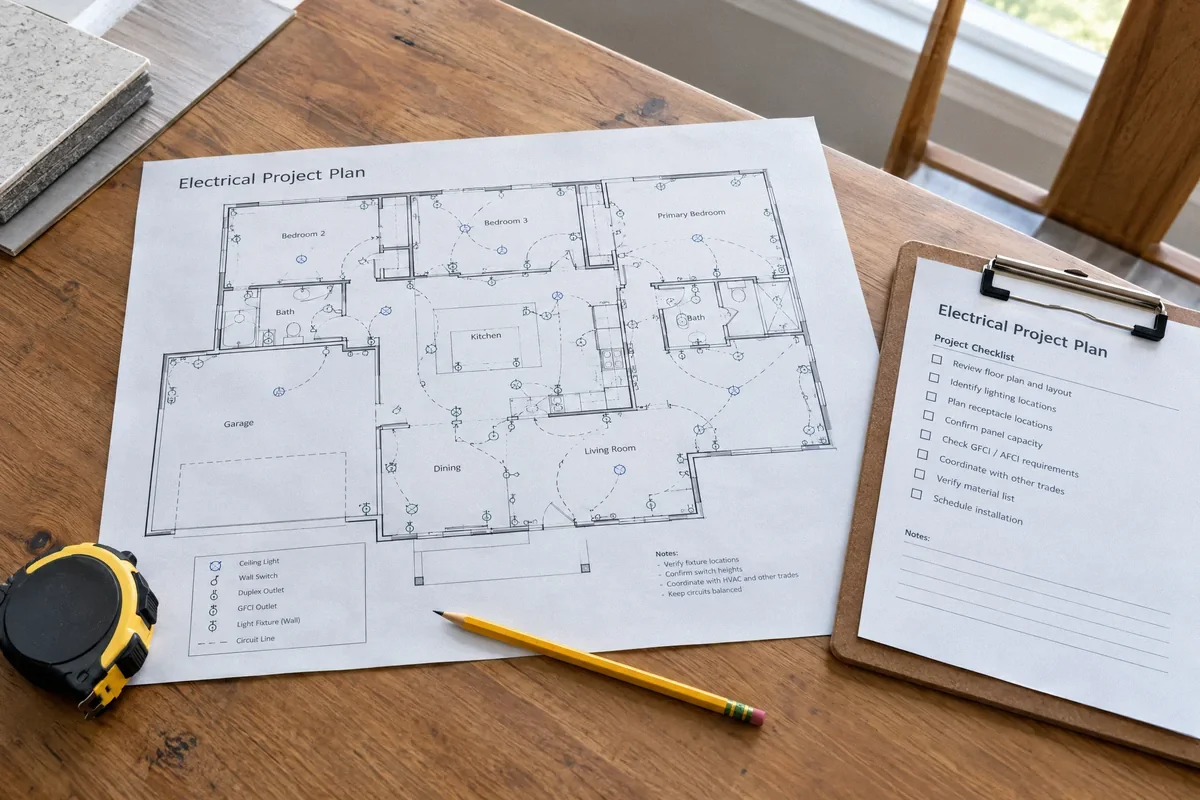
Start with the written correction notice, permit number, plans, and photographs. Identify which electrical items are in scope and which need clarification.
Define the Corrections
Provide a scope based on the notice and accessible conditions. Confirm the applicable code edition, permit responsibilities, and any design revisions.
Perform Approved Work
Carry out the agreed electrical corrections. Report additional findings or concealed conditions before extending the scope.
Document & Request Review
Record the completed work and coordinate required reinspection. The reviewing authority determines whether the cited items are resolved.
Why Fox for Code Compliance
The Notice Comes First
Use the actual cited items and approved plans to define the correction scope.
Inspection Roles Kept Clear
Electrical repairs and the decision made by the inspector at reinspection are separate steps.
Permit Path Identified
Confirm whether work belongs under an existing permit or needs another application.
Deadlines Reviewed Early
Share the inspection deadline, access restrictions, and equipment information before scheduling.
Changes Documented
Explain any additional condition found during the work before adding repairs to the scope.
Records Tied to the Work
Document completed corrections and unresolved items without claiming a whole-building certification.
Code Compliance Questions
What should I send after a failed inspection?
Send the full correction notice, permit number, property address, and available plans. Include any stated deadline so we can assess the electrical scope and confirm scheduling availability.
Do correction repairs require a permit?
That depends on the work, existing permit, and local requirements. Confirm the permit path with the reviewing authority before proceeding; a short description of a repair is not enough to establish an exemption.
How are landlord-requested updates priced?
Share the written requirements and identify which party authorizes the work. Pricing follows a review of the affected equipment, access, and permit or design needs.
Is a safety inspection included?
A separate assessment may be needed if the notice does not establish the condition or extent of the problem. Agree on that diagnostic or inspection scope and fee before repairs are priced.
Does an older building need to meet every current requirement?
The applicable scope depends on the work and the permit history. Confirm the code edition and any required upgrades with the reviewing authority; a general webpage cannot resolve an individual building requirement.
Do you coordinate with property managers?
We can coordinate electrical access, tenant notices, and work records with the designated property contact. Approval of the work by an inspector, landlord, or insurer remains a separate decision.
Do I need a permit for electrical work in California?
Permit requirements depend on the work and local jurisdiction. Identify the scope and confirm the permit path with the building department before construction. Our electrical scope should state who handles applications and inspections.
What happens if electrical work was done without a permit?
Start with available plans, records, and the building department requirements. The authority may request documentation or access to review the work. Insurance and property-transaction consequences depend on the circumstances and should not be assumed.
Does my ADU need a separate electrical meter or panel in California?
An accessory dwelling unit (ADU) needs an electrical design suited to the property and proposed demand. Metering and panel arrangements depend on local and utility requirements and the project design. Confirm them before selecting equipment.
What is Title 24 and how do I make my lighting comply?
Title 24 is the California Building Standards Code; Part 6 contains the Energy Code. The applicable lighting requirements depend on the project. Agree with the design and permit team on who selects fixtures and controls, prepares documentation, and performs any required testing.
Get in Touch
Need Electrical Inspection Corrections?
Share the correction notice, permit number, and property location. Call (650) 550-0719 or request an assessment.
Ask about the scope and fee for an assessment, diagnosis, or inspection before booking.
(650) 550-0719Related electrical guides
Continue with a guide that addresses the next planning decision.
How We Work
Electrical Permits in the Bay Area: Who Pulls Them?
Permit rules depend on the project address and scope. Learn how contractor and owner-builder permits differ, what to put in the contract, and what approval proves.
Read the guide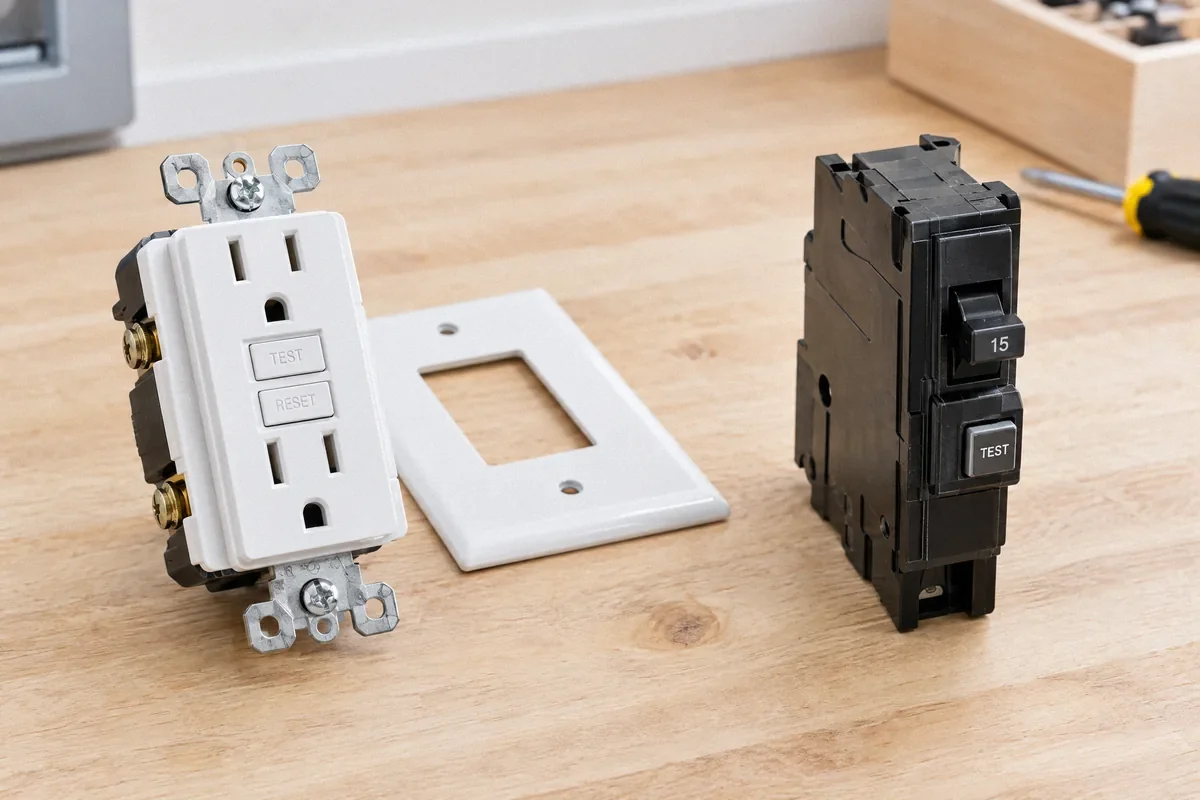
Safety & Code
GFCI vs. AFCI: What California Homeowners Should Know
GFCI protection reduces shock risk, while AFCI protection responds to certain dangerous arcing. Learn how they differ and why project scope matters under current code.
Read the guide