
Understand Where Electricity Is Used
Commercial Energy Audit
A higher bill needs context. We review electricity use, lighting, and selected equipment in the San Francisco Bay Area. The agreed scope identifies the data needed and separates electrical findings from broader building-performance questions.
Request a callback →Discuss your project
Tell Us About Your Project
Choose a service, enter the project city, and share any details that may help us understand the work. You can edit these fields before sending the form.
Serving homes and businesses in the San Francisco Bay Area and Santa Cruz.
(650) 550-0719Fox Electric is the marketing name of Fox Global Holdings LLC. CSLB #1145945, C-10.
Where Your Business Uses Electricity
Start with a defined question: lighting left on, a new peak on the bill, or equipment running after hours. The question guides the data and measurements needed.

Lighting Use
Review fixture types, power ratings, and operating hours. Compare replacement and control options using the actual lighting schedule.

Heating & Cooling Electricity
Review equipment labels and available operating data. Mechanical performance, ventilation, and refrigerant diagnostics belong with the appropriate specialist.

Plug-In Equipment
Identify equipment running outside occupied hours and review its use. Agree on any monitoring needed before attributing a specific amount of electricity to a device.

Electrical Performance Concerns
Separate unusual equipment operation or voltage concerns from energy-use estimates. Specialist measurements require an agreed scope and suitable equipment.

Demand Charges
Some electricity rate plans include charges based on peak power demand. Review the rate and meter readings recorded at regular time intervals before evaluating changes to equipment schedules.

Controls & Schedules
Compare lighting and equipment schedules with occupancy. Check proposed control changes against operating needs and test settings after installation.
How the Audit Works
Use bills, operating information, and agreed measurements to assess practical electrical changes.
Review Bills & Operations
Gather available electricity bills, the rate schedule, operating hours, and known equipment changes. Identify the questions the assessment needs to answer.
Agree on Measurements
Select equipment and monitoring methods based on those questions. Coordinate safe access and any interruption required for installation or testing.
Explain the Options
Separate measured data from assumptions. Estimate savings only where the baseline, rates, operating hours, and proposed changes support a calculation.
Plan Approved Improvements
Price implementation separately. If savings verification is wanted, agree on the comparison period and how changes in weather, occupancy, and rates will be handled.
Why Fox for Energy Audits
A Focused Electrical Review
Define lighting and electrical-use questions without assuming a complete building-performance audit is included.
Assumptions Shown
Separate equipment ratings, measured readings, operating-hour estimates, and tariff information.
Utility Data in Context
Use the actual serving utility and rate schedule; a bill increase does not by itself prove increased energy use.
Implementation Scoped Separately
Review the cost and disruption of each proposed electrical change before authorizing work.
Controls Checked After Changes
Confirm schedules and operation after control adjustments rather than assuming installation alone produces savings.
Limits Made Clear
Identify missing data and specialist investigations that could change the conclusions.
Energy Audit Questions
Can you predict how quickly improvements will pay for themselves?
Only when enough data is available. Payback compares the improvement cost with estimated annual savings; assumptions about use, rates, and maintenance should be visible. No saving or payback period is guaranteed.
Will the assessment interrupt operations?
A bill review and some observations can occur during normal operation. Electrical access or monitoring work may require an interruption, which needs to be agreed before testing.
Can incentives reduce the cost?
Possibly, but eligibility, funding, and application timing must be checked with the program administrator. Do not include an incentive in the budget as confirmed funding until it is approved.
Can you carry out the recommended electrical work?
We can assess a separate scope for lighting, circuits, or controls. Mechanical equipment, building insulation, and specialist studies may require other providers.
What determines the assessment fee?
The property, questions to investigate, access, monitoring period, and report detail determine the scope and fee. We agree on those items before work begins.
What is a useful first step for a small office?
Gather bills and list equipment and lighting that run outside working hours. That may reveal a focused question to investigate before commissioning a broader assessment.
Get in Touch
Want to Understand Your Electric Bill?
Share the property location, operating hours, and the issue you want to investigate. Call (650) 550-0719 or request an assessment.
Ask about the scope and fee for an assessment, diagnosis, or inspection before booking.
(650) 550-0719Related electrical guides
Continue with a guide that addresses the next planning decision.
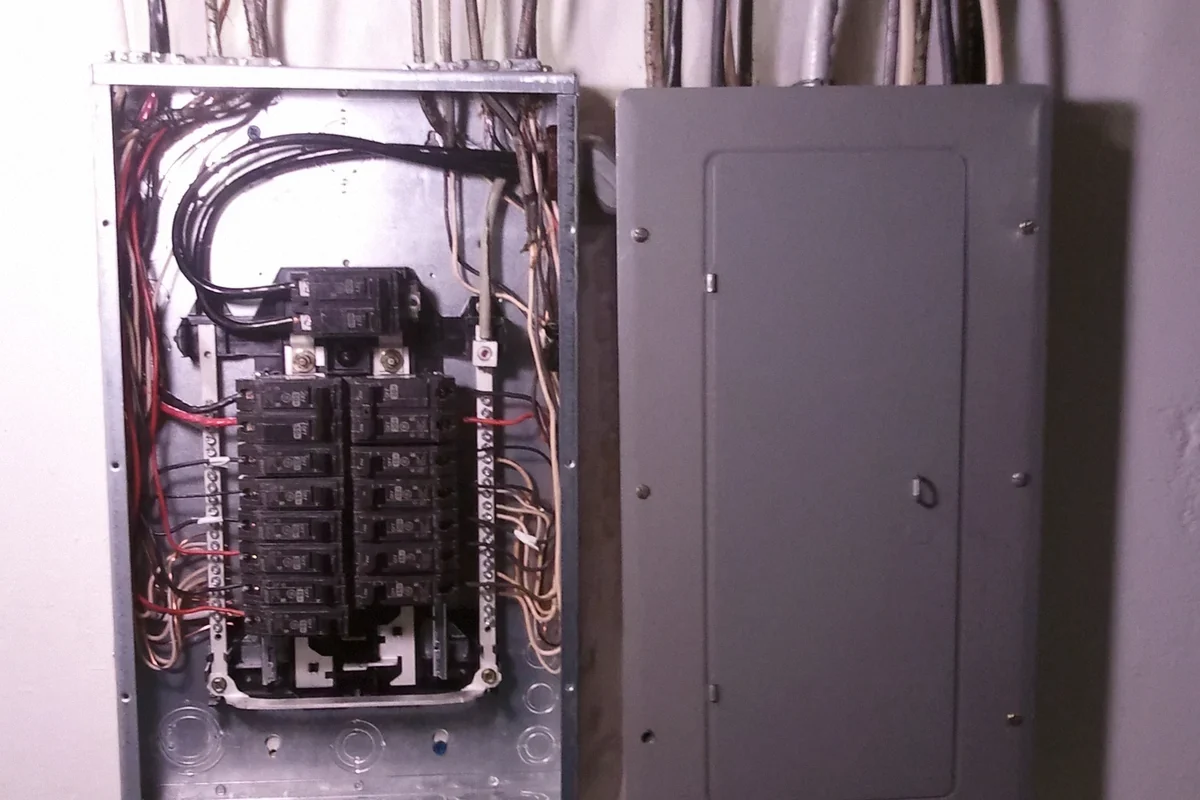
Reference photo: Gvolk / Wikimedia Commons. CC BY-SA 3.0. Cropped. Source and license in article.
Electrification
Can Your Panel Handle an EV, Heat Pump, and Induction Range?
Use equipment specifications, a load calculation, and practical load-management options to plan several electric upgrades together.
Read the guide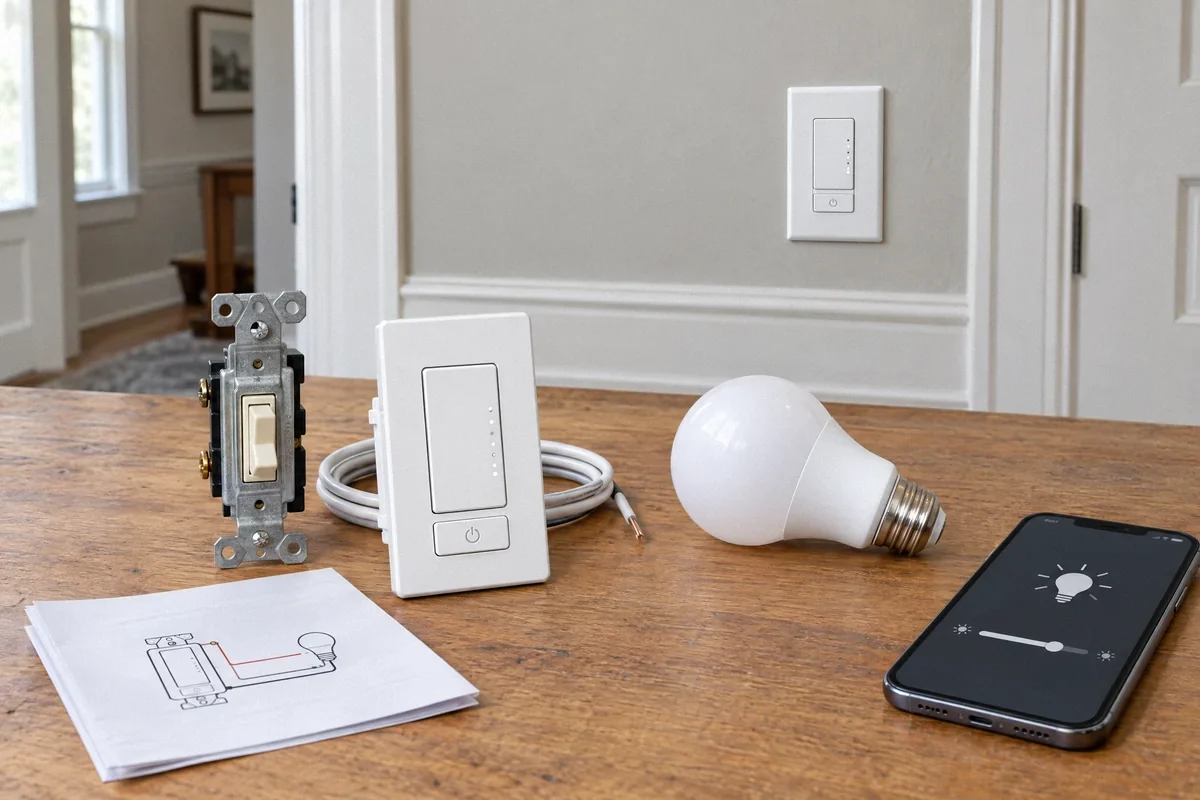
Smart Home
Smart Switches in Older Homes: Wiring, LED Compatibility, and Local Control
A smart switch should be selected for the actual wiring and load, not by brand name alone. Here is what to check before ordering devices for one room or the whole house.
Read the guide