Residential and commercial electrical work share the same foundation: safe design, listed equipment, correct installation, testing, permits, and documentation. The practical difference is the building, occupancy, electrical system, and operating environment. Choose a contractor whose license and recent experience fit the actual scope.
In California, a C-10 Electrical Contractor classification covers electrical contracting work. "Residential electrician" and "commercial electrician" are useful descriptions of experience, but they are not separate CSLB contractor classifications. A contractor may work in both settings if the work is within its license and capability.
What is typical in residential work
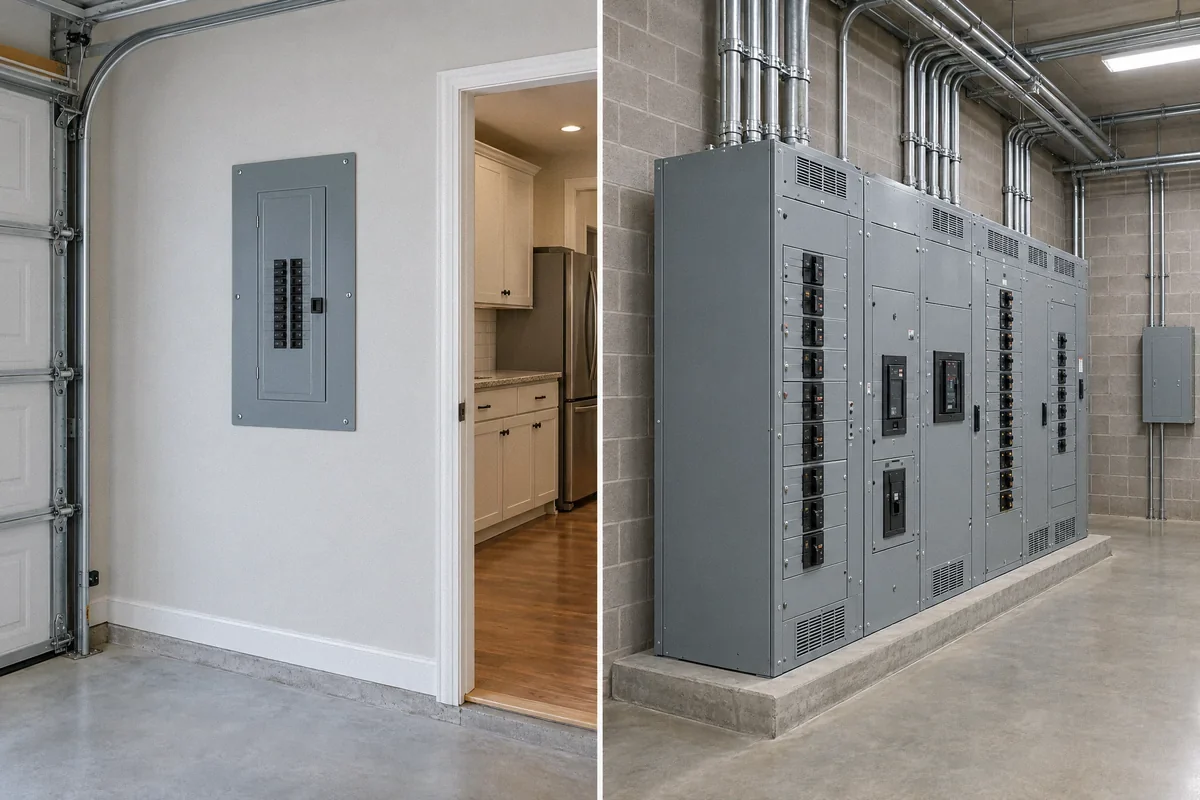
Homes commonly use 120/240-volt single-phase services, branch circuits for living spaces and appliances, and equipment chosen for dwelling requirements. Residential projects often involve occupied rooms, finished walls, limited access, homeowner schedules, and careful restoration.
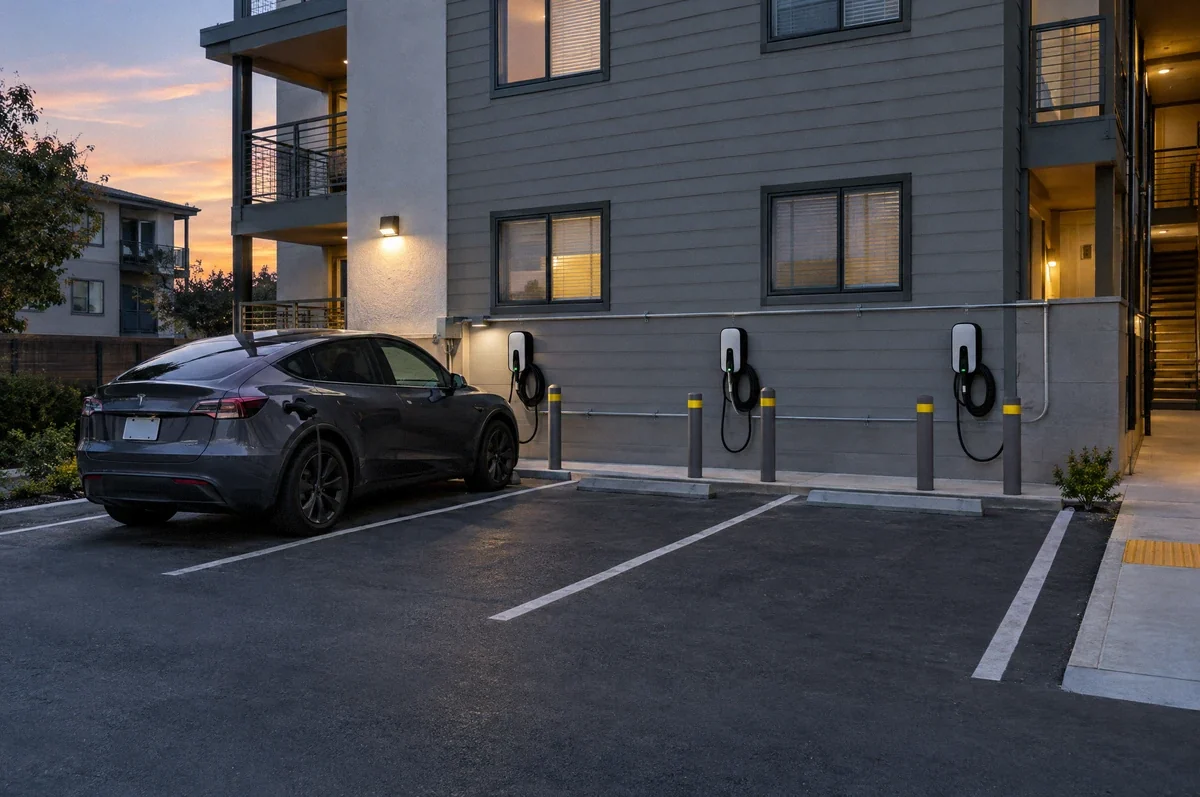
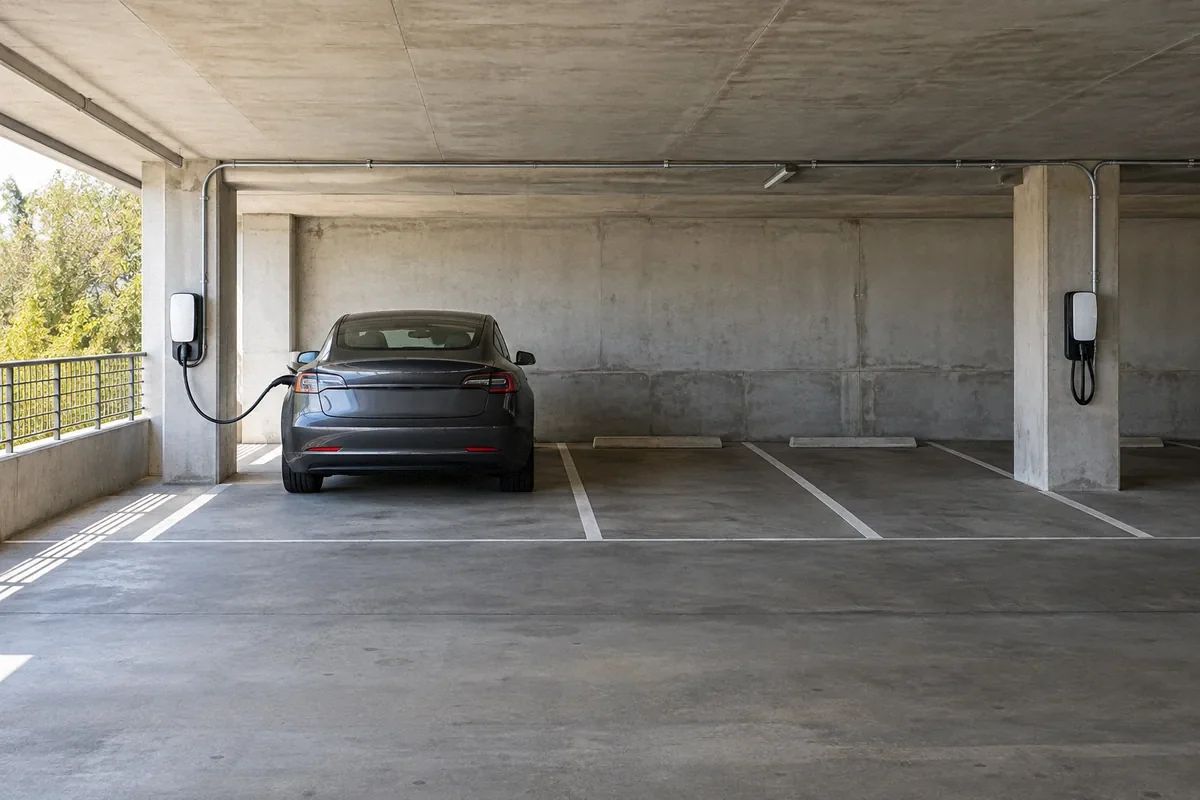
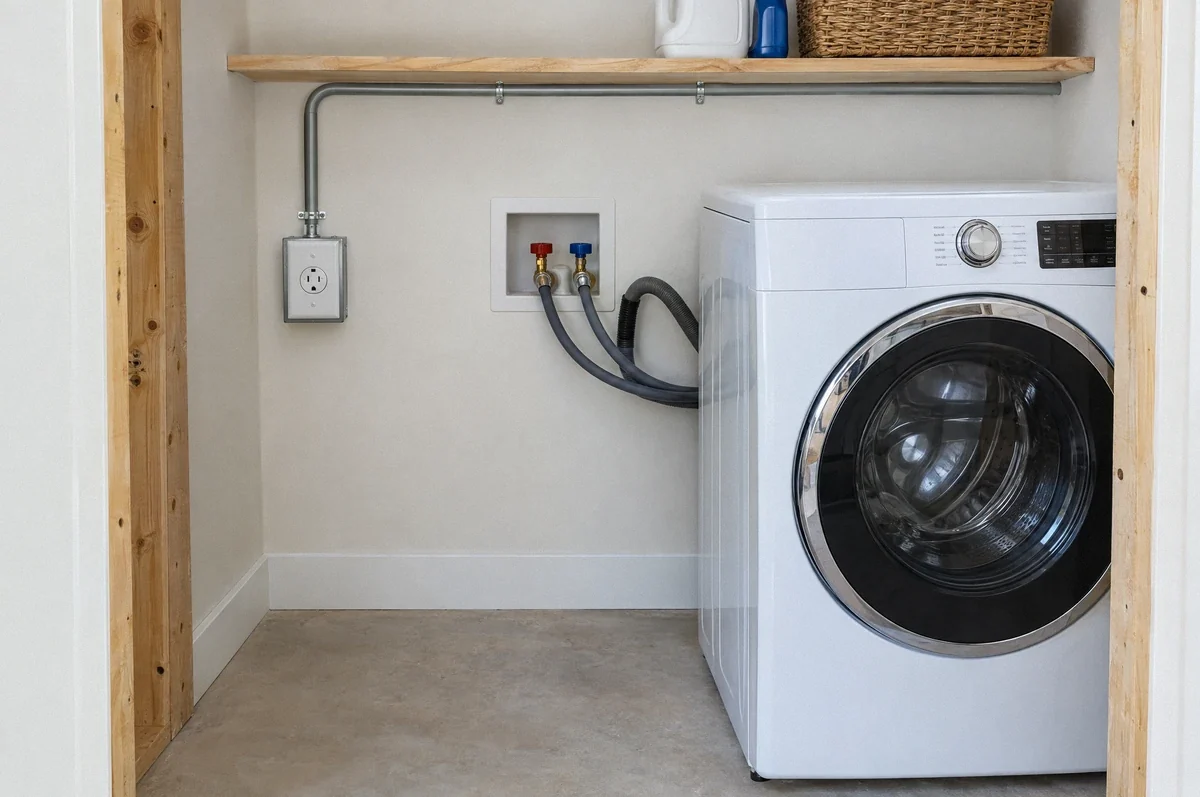
Typical work includes troubleshooting, lighting, receptacles, panel changes, electric vehicle charging, appliance circuits, rewiring, backup power, and electrification planning. The electrician needs to explain options clearly and account for how the family uses the home.
What changes in commercial work
Commercial properties can introduce three-phase power, larger distribution equipment, transformers, complex lighting controls, emergency systems, tenant improvements, specialized equipment, and stricter coordination with other trades. Occupancy and accessibility requirements may affect the design. Shutdown planning can matter as much as installation because a circuit outage may interrupt customers, employees, refrigeration, security, or data systems.
Documentation is often more formal. The project may require drawings, specifications, submittals, change controls, closeout documents, and coordination with a property manager, general contractor, engineer, or facilities team. Some small commercial jobs are simple, while some custom homes are technically complex. The label alone does not determine difficulty.
Questions to ask before hiring
- Is the contractor's California license active, and does the classification cover the work?
- Has the company completed comparable work in this type of property and electrical system?
- Who handles permits, inspections, utility coordination, drawings, and shutdown planning?
- Does the proposal identify equipment, access, restoration, exclusions, and change-order conditions?
- Who will coordinate with the landlord, homeowners association, property manager, or general contractor?
- What testing and closeout documentation will be provided?
Verify the license through CSLB rather than relying only on a number printed in advertising. For a home improvement project, review California's contract requirements. For a commercial project, confirm insurance, site rules, scheduling, and documentation requirements with the property team.
When engineering or another trade may be involved
An electrician installs and services electrical systems within the licensed scope. Some projects also require electrical engineering, architectural work, fire alarm expertise, low-voltage specialists, utility design, or a general contractor coordinating multiple unrelated trades. The right answer may be a team rather than a single contractor.
Ask who owns the design and who is responsible for each permit. A vague promise to "handle everything" is less useful than a written responsibility list.
Choose by scope, not marketing label
For a house, prioritize residential experience with occupied spaces, local permitting, and the equipment you plan to install. For a business, prioritize experience with the voltage, occupancy, operating schedule, controls, and documentation your facility requires. When the project crosses both settings, such as multifamily common areas or a mixed-use building, define each system and responsibility before pricing.
Talk through your project
Fox Electric provides residential electrical services and commercial electrical services in the San Francisco Bay Area. Call (650) 550-0719 or send the property type and scope. Homeowners can also review our residential electrical systems guide.