
Outlets and Controls That Fit the Circuit
Outlets & Switches
Add outlets where you use them or replace worn switches and devices. We check the circuit, wiring access, and connected equipment before recommending a replacement or new circuit.
Request a callback →Discuss your project
Tell Us About Your Project
Choose a service, enter the project city, and share any details that may help us understand the work. You can edit these fields before sending the form.
Serving homes and businesses in the San Francisco Bay Area and Santa Cruz.
(650) 550-0719Fox Electric is the marketing name of Fox Global Holdings LLC. CSLB #1145945, C-10.
Outlet and Switch Installation Options
Start with the location and equipment you want to use. A replacement device and a new appliance circuit need different planning.

New Outlet Installation
Add power at a desk, TV, workbench, or patio. We check the existing circuit and route before deciding whether a new circuit is needed.

GFCI Outlet Protection
A ground-fault circuit interrupter (GFCI) reduces shock risk by cutting power when current takes an unintended path. We assess protection for the location and proposed work.

USB Charging Outlets
Add built-in phone or tablet charging. We check charging specifications, electrical box space, and device compatibility before selection.

240V Outlet Installation
Plan an outlet for a dryer, range, or workshop tool using the exact equipment specifications. Outlet shape alone does not establish the required circuit rating.

Dedicated Circuits
A dedicated circuit serves a particular appliance or load. We first assess the demand and the cause of any breaker trips; a new circuit is not always the answer.

Dimmer Switches
Match the dimmer to the lamps or fixtures and the number of control locations. Compatibility affects the dimming range, noise, and flicker.
Smart Switches & Controls
Check the switch model against the existing wiring, connected lights, and chosen home-control platform. Some models need wiring that older switch boxes lack.

Outdoor Outlets
Use equipment and covers suitable for the outdoor location, with the required shock protection. Pools and hot tubs need a separate review of their equipment requirements.
Call to Completion
Review circuit capacity, wiring access, equipment selection, and the installation scope.
Review the Circuit
We check the location, connected equipment, wiring access, and circuit demand.
Define the Scope
We specify the devices and wiring, review permit needs, and agree on responsibility for wall repair.
Install the Devices
We install compatible equipment and the protection required for the agreed work.
Test and Explain
We check operation and circuit identification and explain any protective-device testing instructions.
Why Fox for Outlets & Switches
Device and Circuit Fit
We check that the outlet or switch suits its wiring, location, and connected equipment.
Demand Reviewed
Adding an outlet does not add electrical capacity. We review the circuit before extending it.
Scope in Writing
We distinguish a device replacement from new wiring or a new circuit and explain which work your installation needs.
Parts Checked Ahead
Send model numbers for owner-supplied devices before the visit so compatibility questions can be resolved.
Useful Circuit Labels
New circuit identification helps you locate the relevant breaker for future maintenance.
Operation Explained
We review controls and manufacturer testing instructions for protective devices installed in the project.
Outlet & Switch Questions
Why have an electrician replace an outlet?
The visible device is only part of the connection. We assess accessible wiring, signs of damage, device rating, and grounding, the safety connection intended to carry fault current back to its source.
Do I need a permit to add outlets?
The answer depends on the local building department and whether the work is replacement, new wiring, or a new circuit. We review that distinction when defining the scope.
What does a GFCI do?
It detects an imbalance between current going out and returning, then disconnects power to reduce shock risk. Protection requirements depend on the location and work; an existing home needs its own assessment.
Can I choose my own outlets and switches?
Yes, subject to compatibility. Send model details before purchasing so we can check the wiring, box space, equipment ratings, and connected devices.
What affects the price of a new outlet?
Cable distance, wall access, available circuit capacity, device type, permits, and surface restoration all affect the scope. A same-location replacement is different from adding a new circuit.
How is AFCI different from GFCI?
An arc-fault circuit interrupter (AFCI) responds to certain dangerous sparking conditions associated with fire risk. A GFCI addresses shock risk. One does not automatically replace the other.
Can you install a 240V outlet for garage tools?
We assess the exact tool or appliance specifications, available panel capacity, cable route, and outlet connection. For electric vehicle (EV) charging, charger selection also affects the circuit plan.
What should the proposal include?
Look for the device model or allowance, new wiring, circuit work, wall repairs, permits, and any written warranty terms.
There are black scorch marks around my outlet. Is it dangerous?
Scorching or melting needs prompt electrical assessment. Stop using the outlet; replacing its faceplate or device alone may leave the underlying cause unresolved. Do not open or touch damaged equipment.
My outlet is warm or hot to the touch. Is that normal?
Unusual heat, discoloration, smell, or damage warrants an assessment. Stop using a hot outlet. The symptom does not establish whether the cause is the outlet, a connection, or connected equipment.
Why won't my GFCI outlet reset?
A ground-fault circuit interrupter (GFCI) helps protect against electric shock. It may not reset because power is absent, a fault remains, or the device needs attention. Leave it out of use and have the cause checked rather than repeatedly resetting it.
My outdoor or bathroom GFCI keeps tripping when it rains. How do I fix it?
Moisture may be involved, but the affected wiring and equipment need assessment. Stop using the affected equipment and avoid wet electrical areas. Do not bypass the protection or assume a new cover alone fixes the problem.
I have two-prong ungrounded outlets. How do I add grounding?
A protective grounding connection helps carry current from an electrical fault back to its source. A three-slot outlet alone does not establish that path. We assess the existing wiring and applicable replacement options; shock protection and an equipment ground are different features.
Why is my dimmer or light switch warm or hot to the touch?
Some dimmers produce warmth in normal use, but unusual heat or damage should be checked against the device instructions and connected lighting. Stop using a hot or discolored control and arrange assessment; do not open it yourself.
Get in Touch
Plan Your Outlet or Switch Installation
Tell us where you need power or which device needs attention. Include model details for appliances or smart controls. Call (650) 550-0719.
Ask about the scope and fee for an assessment, diagnosis, or inspection before booking.
(650) 550-0719Related electrical guides
Continue with a guide that addresses the next planning decision.
Safety & Code
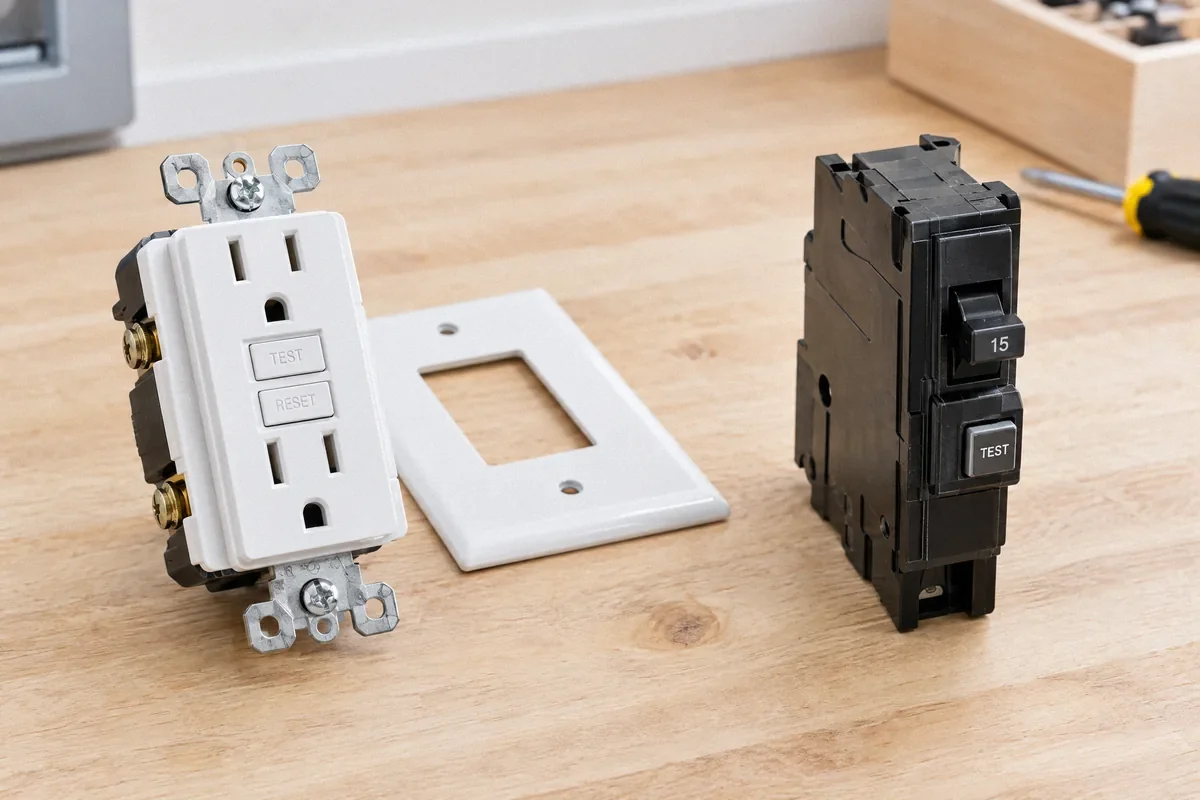
GFCI vs. AFCI: What California Homeowners Should Know
GFCI protection reduces shock risk, while AFCI protection responds to certain dangerous arcing. Learn how they differ and why project scope matters under current code.
Read the guide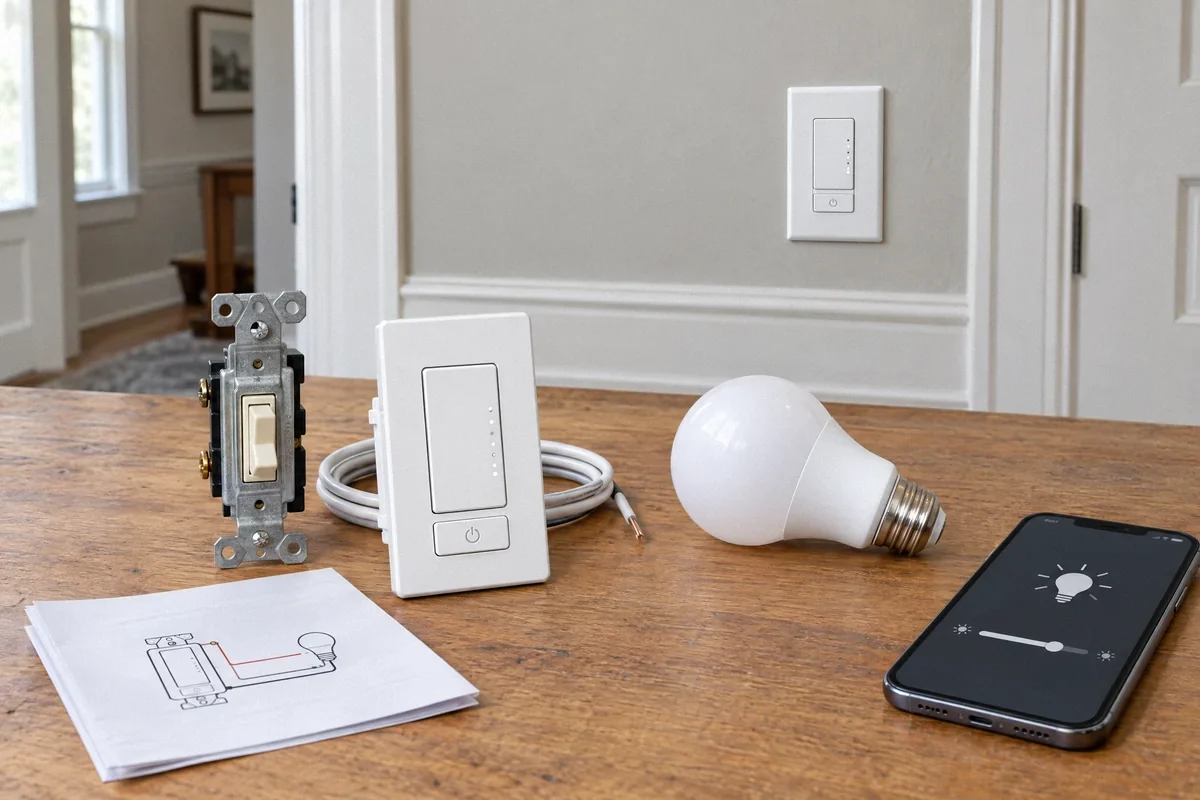
Smart Home
Smart Switches in Older Homes: Wiring, LED Compatibility, and Local Control
A smart switch should be selected for the actual wiring and load, not by brand name alone. Here is what to check before ordering devices for one room or the whole house.
Read the guide