An electric vehicle (EV) charger, heat pump, heat pump water heater, and induction range do not automatically require a 200-amp service. They do require planning. The answer comes from the existing service rating, a load calculation, the exact equipment, and whether the loads can be reduced or managed.
Start with the equipment nameplates
Do not design from broad appliance categories. A compact heat pump and a large system with electric resistance backup can have very different electrical requirements. EV charging equipment can often be configured for several output levels. Induction ranges and heat pump water heaters also vary by model.
Collect the manufacturer, model, voltage, current, breaker requirement, and installation instructions for each planned appliance. A preliminary calculation can use reasonable allowances, but the final circuit design must match the selected equipment.
What a load calculation tells you
A load calculation is a code-based worksheet that estimates the maximum demand on the service. It is not the sum of all breaker handles. The method accounts for required household loads, appliances, heating and cooling, and demand factors allowed by the adopted electrical code.
The result can support one of several outcomes: the existing service is adequate, the charging rate or appliance selection should change, listed load management can control demand, or the service needs an upgrade. The local authority having jurisdiction, meaning the city or county that issues the permit, reviews the submitted design under its adopted rules.
Use charging power that fits the household
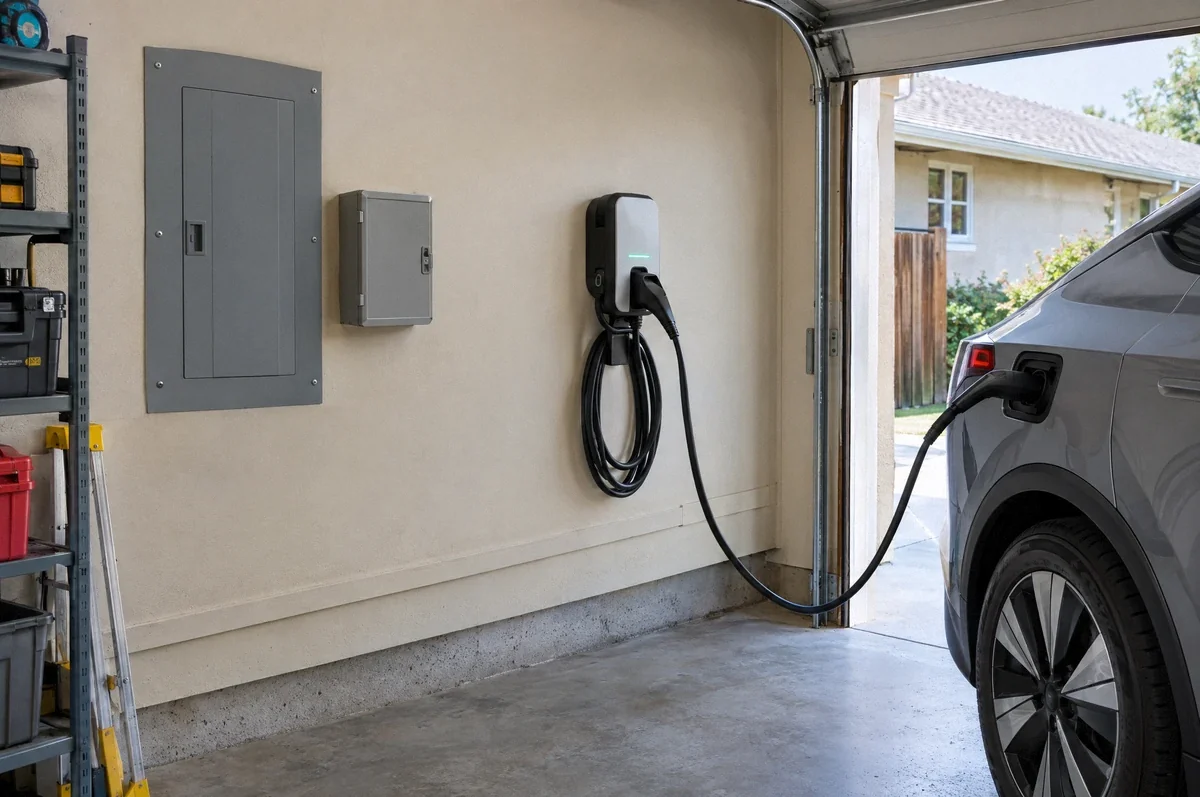
Level 2 charging uses a 208- or 240-volt supply, with 240 volts common in single-family homes. Faster charging draws more current, but the highest available setting is not necessary for every driver. Tesla's current Wall Connector guidance lists output settings from 12 to 48 amps and says the equipment can be installed on lower-amperage circuits when power is limited. Other products have their own settings and instructions.
Estimate the energy you need to replace on a typical night, then choose an output that meets that need with margin. A lower setting can avoid unnecessary electrical work while still restoring daily driving range before morning.
Understand load management
Load management is listed equipment or a charger feature that monitors or controls electrical demand so selected loads do not exceed a configured limit. One system might reduce EV charging when the house approaches its limit. Another may prevent two large loads from operating at the same time.
Load management is not a generic plug splitter and does not repair unsafe equipment. The selected system must be approved for the application, installed according to its instructions, and accepted by the permit authority. The design must also account for what happens if communications or controls fail.
Panel space is different from service capacity
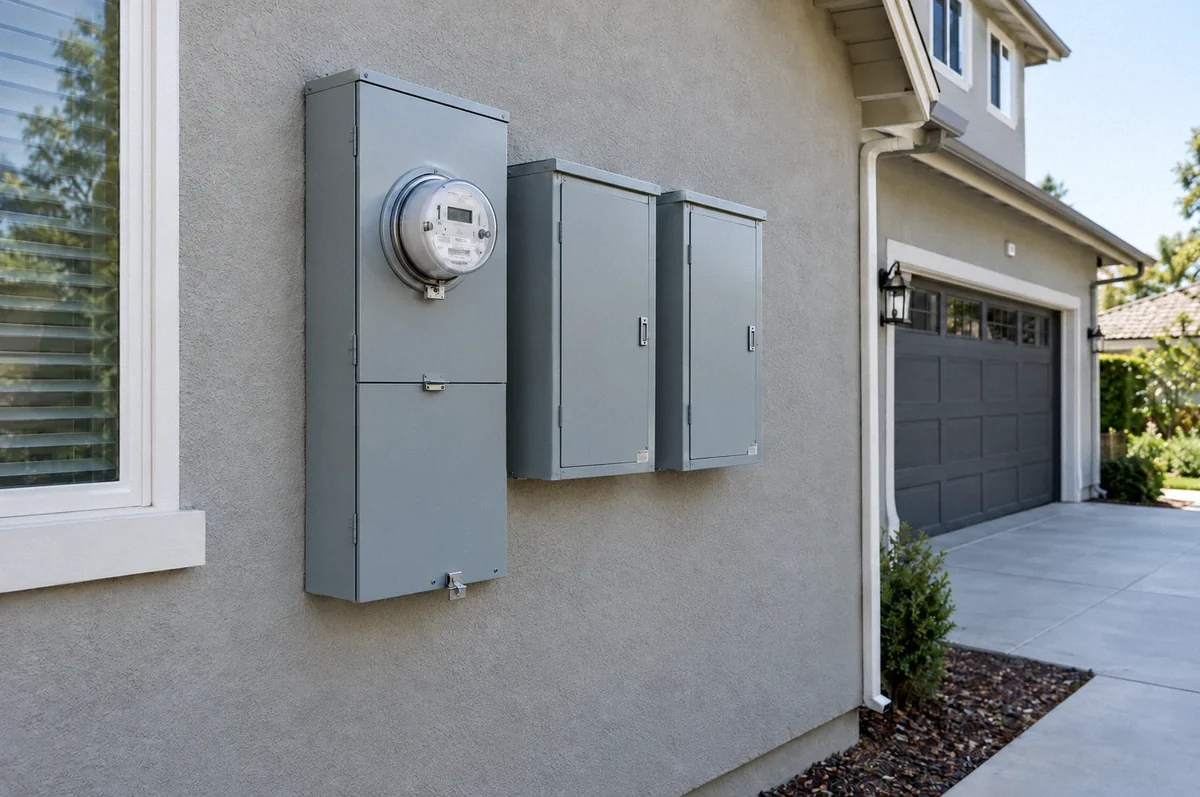
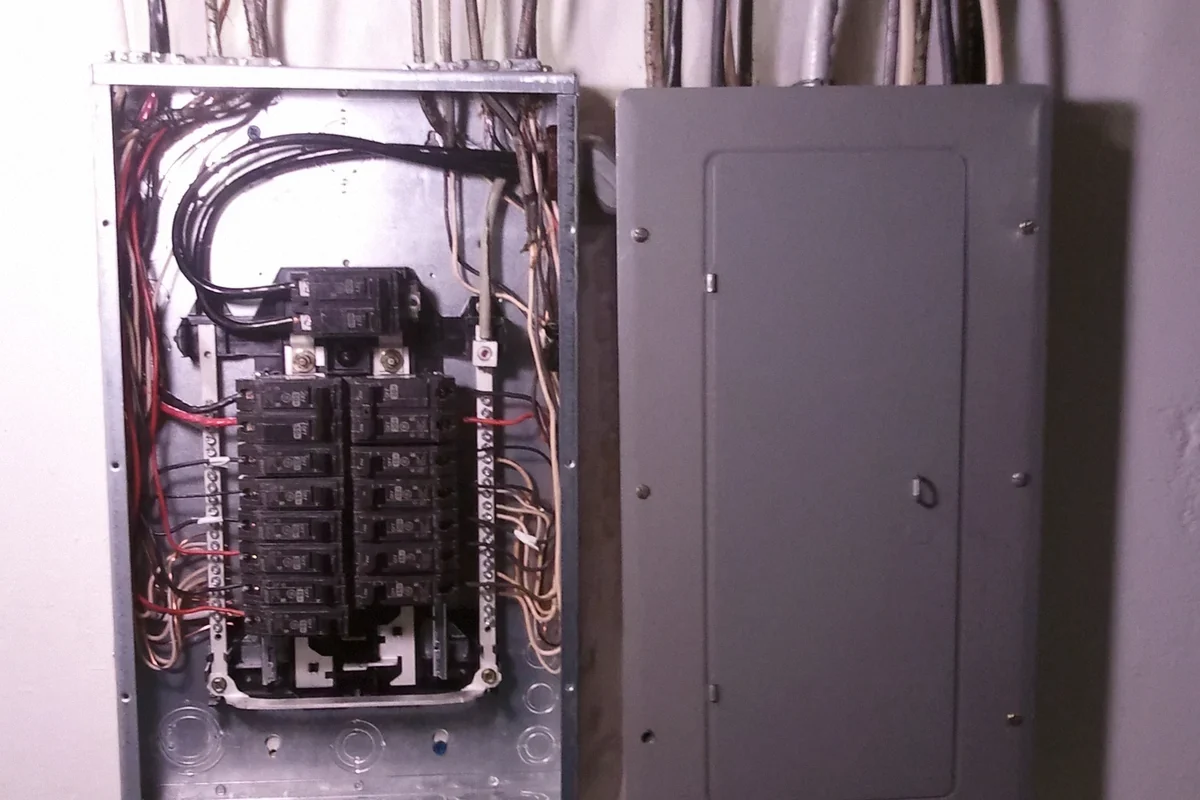
A panel can have enough electrical capacity but no open spaces for new breakers. A compatible subpanel, which is a second distribution panel fed from the main panel, may solve the space problem. It does not increase the total service capacity. Conversely, a panel may have several empty spaces while the load calculation shows that the service cannot accept the proposed loads.
Plan the sequence
- List the equipment you expect to add over the next several years.
- Collect exact specifications for the projects you are ready to build.
- Document the service, panel, meter, and existing major loads.
- Run the load calculation and compare practical equipment options.
- Confirm and contact the serving electric utility if the project may change the service. Where PG&E serves the address, it provides a building electrification pathway and a portal for service projects. Palo Alto and Santa Clara operate municipal electric utilities with separate processes.
- Confirm the permit office and required documents for the property address.
Local permits vary by address
San Mateo County lists permits for EV chargers, service upgrades, heat pumps, water heaters, and energy storage in unincorporated areas through its permit page. Santa Clara County uses its own application process. Fremont projects follow the city's Building and Safety requirements. If the property is inside another city, use that city's department.
A practical decision rule
Keep the existing service when the documented calculation and equipment design support it. Use lower charging power or listed management when that meets your needs and the complete installation is approved. Upgrade the service when the calculated demand, equipment condition, or project scope requires it. Avoid choosing 200 amps only because it sounds future-ready, and avoid forcing new loads onto equipment that cannot safely support them.
Our panel upgrade guide explains the broader decision. The Wall Connector versus NEMA 14-50 guide compares two charging arrangements.
Plan the electrical work
Fox Electric assesses electrification projects in the San Francisco Bay Area. See our panel upgrade service and EV charger installation service, or call (650) 550-0719. We can calculate the planned demand and show which choices change the electrical scope.