An appliance needs a dedicated circuit when its installation instructions or the applicable electrical requirements call for one. A separate circuit may also be useful when verified loading on a shared circuit prevents normal use. Repeated breaker trips alone do not prove that another circuit is the repair: an appliance fault, damaged connection, or protective-device issue must be ruled out first.
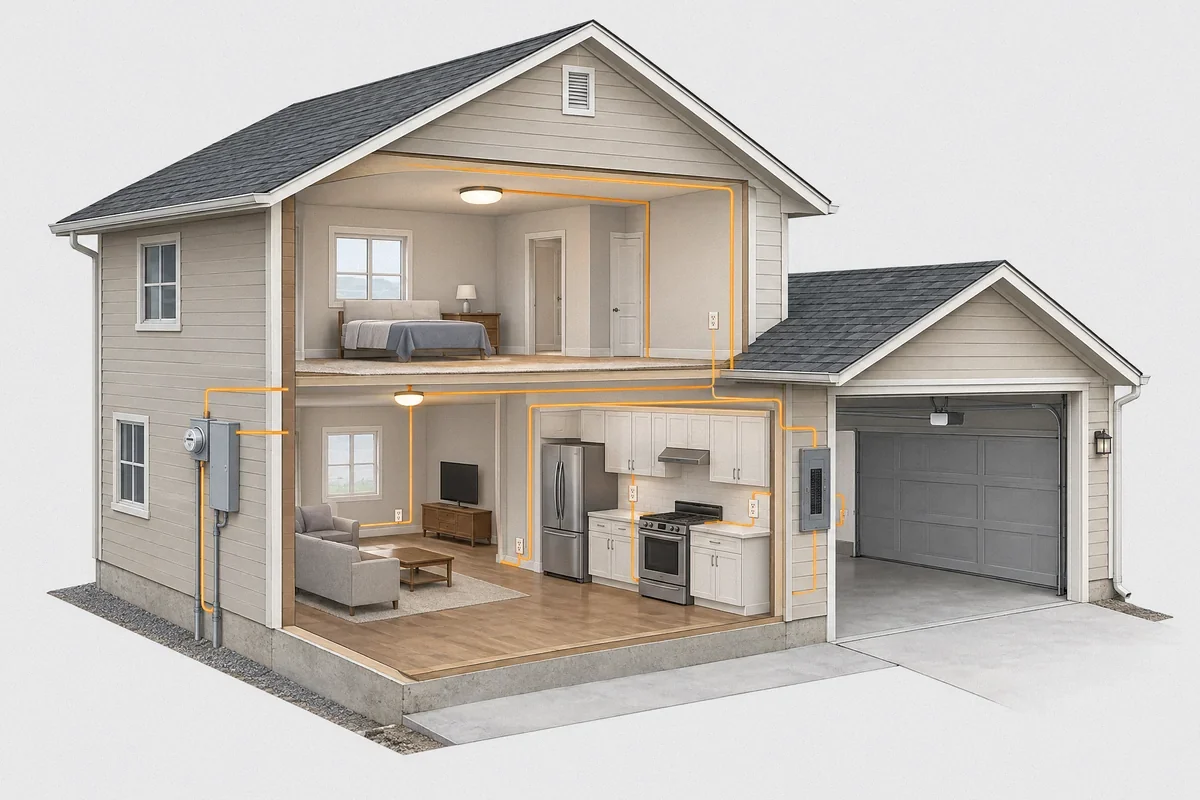
The design must answer four separate questions: what the equipment requires, whether the existing service and feeders can support the added load, whether the panel can accept the necessary breaker, and how wiring will reach the appliance. An empty breaker position answers only part of one question.
What dedicated means
An individual branch circuit supplies one utilization equipment item, such as a particular appliance. In everyday estimates, “dedicated circuit” is sometimes also used for a circuit reserved for a workshop, appliance area, or other group. Those are different scopes.
Ask the estimate to identify exactly what the new circuit will supply. “New kitchen circuit” could mean an individual microwave circuit or an additional small-appliance branch circuit serving several permitted receptacle locations. It should not be assumed to mean one appliance unless that is specified.
A circuit is more than a new breaker. It includes the conductors, wiring method, connections, grounding, outlet or equipment termination, and required protection. The components and installation must work together for the intended load.
Begin with the appliance instructions
Use the model number, electrical rating, and installation manual. Appliances with similar names may have different supply requirements, so do not choose a breaker size from a generic list of “standard appliance circuits.”
For example, GE Appliances’ microwave guidance specifies an individual grounded 120-volt circuit protected at 15 or 20 amps for the models it addresses and emphasizes a dedicated circuit for over-the-range microwaves. That is useful manufacturer guidance, but the actual model instructions remain the basis for a particular installation.
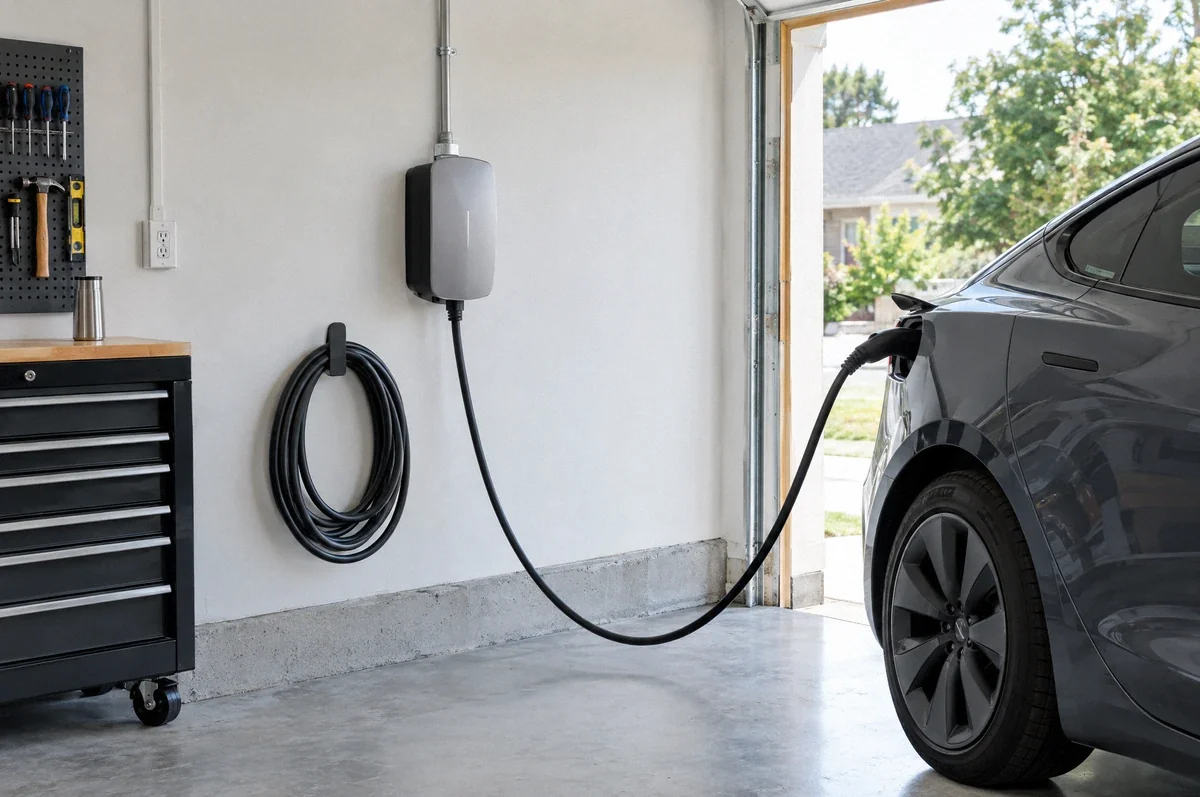
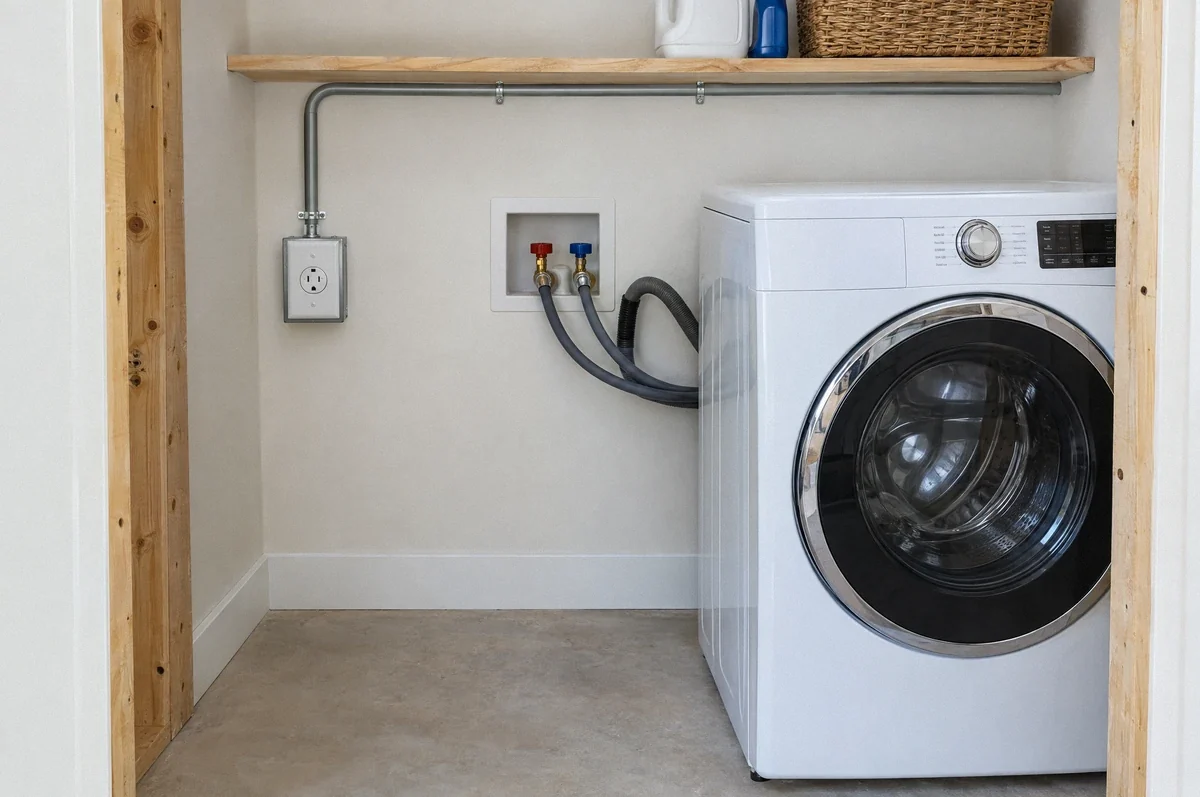
Heating and cooling equipment, electric cooking appliances, clothes dryers, water heaters, spas, and vehicle chargers also require equipment-specific design. Some need 240 volts, some need a neutral conductor for normal current return, and protection requirements vary. A 240-volt load does not automatically use the same conductors or circuit rating as another 240-volt appliance.
For home electric vehicle (EV) charging, the charging setting and continuous-load requirements matter. A blanket “50-amp EV circuit” recommendation can oversize one installation and be inadequate for another.
When the microwave and kettle trip the breaker
Two high-draw appliances can exceed the capacity of one shared circuit. As a simple illustration, simultaneous input loads of 1,500 and 1,200 watts total 2,700 watts. At 120 volts, that is about 22.5 amps before other loads are included. This arithmetic illustrates the problem; it does not replace circuit assessment or the applicable sizing rules.
Use the electrical input rating, not a microwave’s advertised cooking-output wattage. Also confirm that the outlets share a circuit. Separate receptacles on different walls may still be connected to the same breaker.
If the breaker trips with one appliance operating by itself, an appliance or wiring fault remains a possibility. If a ground-fault or arc-fault protective device trips, the mechanism may not be overload at all. Review AFCI breaker trips when identifying the protective device.
Until the condition is assessed, avoid the combination associated with the trip and leave suspect equipment out of use. Never increase the breaker rating to stop tripping. CPSC’s home wiring hazard guidance warns against replacing circuit protection with a higher rating as a response to repeated interruptions.
Additional outlets do not add electrical capacity
A power strip adds plug positions to the circuit it uses. It does not provide another circuit. Similarly, installing extra receptacles on existing wiring may improve access without increasing the load the circuit can safely supply.
A 15-amp versus 20-amp receptacle face also does not establish the available capacity of the complete installation. Do not replace a receptacle with a higher-rated configuration or change its breaker to accommodate a plug. The conductors, protection, circuit arrangement, and equipment instructions must support the application.
Frequent extension-cord use is a reason to review outlet placement and circuit needs, but it does not prove every room needs an individual appliance circuit. CPSC advises plugging electric space heaters directly into wall outlets rather than extension cords or power strips. A convenient outlet must still be in sound condition and on a suitable circuit.
Kitchens require a circuit plan
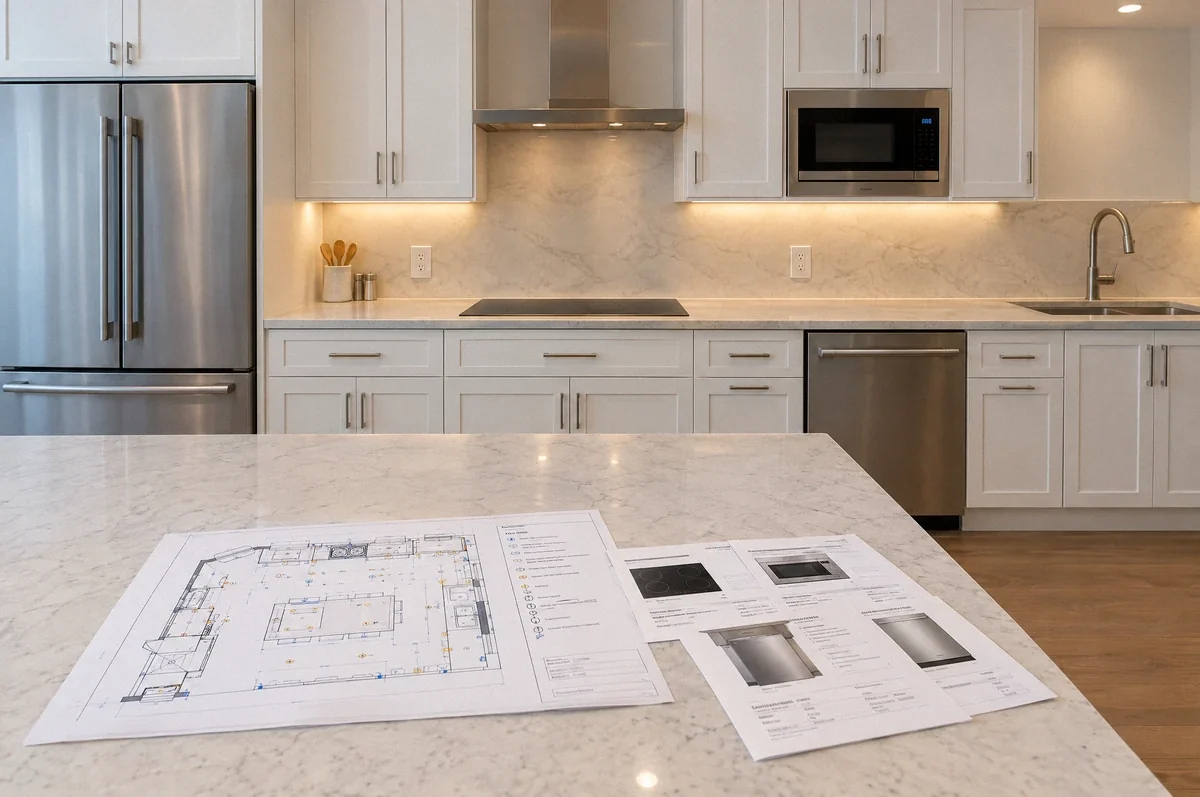
Kitchen small-appliance circuits and individual appliance circuits serve different purposes. The countertop may need several usable receptacle locations and enough compliant small-appliance circuits for the planned arrangement. A built-in appliance may have its own supply requirement.
Write down the equipment that you expect to operate at the same time: kettle, toaster, air fryer, microwave, and any other substantial countertop load. Add the fixed appliances and future cooking plans. That information is more useful than simply counting outlets.
Our kitchen remodel wiring guide explains the planning questions to resolve before cabinets and finishes limit access. For an existing kitchen without a remodel, targeted circuit work may be enough once the existing installation has been checked.
Panel space and electrical capacity are different
Panel space is the physical and listed ability to install the required breaker. A blank opening does not prove a suitable connection is available. The panel’s model, permitted breaker types and positions, condition, and applicable ratings must be checked.
Capacity concerns the calculated load on the service and any feeder supplying the panel. Adding the printed ratings of all branch breakers is not a service load calculation. Nor does a quick reading while the home is lightly loaded establish the capacity for future use.
A load calculation for the planned work evaluates the relevant existing and new loads. Where code permits an alternative assessment method, the contractor should explain the method and evidence used.
A subpanel can provide more circuit positions and a useful distribution point, but it is supplied through a feeder from the existing system. It does not by itself increase the utility service’s capacity. If capacity is insufficient, options may include an appropriate load-management approach, revised equipment selection, or a service upgrade. The right choice follows the design, not the appearance of a full panel.
The wiring route often drives the scope
Two outlets equally far from the panel can require very different work. An accessible unfinished garage differs from a route through finished bedrooms, a slab, a crowded crawlspace, or a detached structure.
The estimate should identify the proposed route, concealed or surface installation, penetrations, access openings, and finish restoration. Include any equipment disconnect, receptacle location, mounting details, and weather exposure relevant to the appliance. Confirm that the completed location remains accessible for the use and maintenance it requires.
Avoid promises of a same-day installation before these conditions are known. Permit processing, utility involvement if needed, inspections, access, and restoration can each affect the schedule.
Permits and a usable handoff
New branch-circuit work normally requires a permit and inspection through the authority serving the address. Confirm the exact local process before installation. For example, Palo Alto’s permit guidance includes electrical work among projects requiring permits.
The handoff should identify what the new circuit supplies, its panel location and labeling, the required protective devices, and the inspection status. A permit record is not a guarantee against every future equipment failure; it documents the approved work and inspection process.
Fox Electric can assess a proposed appliance circuit and its effect on the existing system. If equipment is already causing interruptions, start with electrical troubleshooting. Send the appliance model, intended location, and a safely obtained photo of the closed panel. Include recurring trips or heat symptoms so the initial scope addresses a possible fault before assuming new capacity is the solution.