
San Mateo County
Electrical Troubleshooting & Repair in Menlo Park, CA
A problem that appears after a renovation needs a clear record of what changed and what remained.
Request a diagnostic visit →Trace the Fault Across Old and New Work
A problem that appears after a renovation needs a clear record of what changed and what remained. The timing matters, but it does not prove that the latest contractor caused the fault. We assess the affected installation and use the construction history to define the investigation rather than replacing parts based on a guess.
Bring the old and new work scopes if available. The first appearance after construction matters, but the findings must establish the fault rather than assigning responsibility from timing alone.
Bring the project history without making a diagnosis
Share the renovation scope, available plans, inspection records, and the first date you noticed the problem. Identify which outlets or lights were changed and which were retained. If the symptom predates the project, say so. This history helps locate relevant connections and circuit boundaries without treating a completed permit as proof that every existing circuit was renewed.
Map affected locations instead of trusting room labels
A branch circuit is the wiring supplied by one protective breaker to its outlets or equipment. One circuit may cross several rooms or include older and newer work. Describe the actual devices affected and whether they fail together. A handwritten directory is useful background, but the relevant circuit identification should be verified before it controls a repair or shutdown.
Ask about protection elsewhere on the circuit
A ground-fault circuit interrupter (GFCI) reduces shock risk by interrupting power when current takes an unintended path. Its protection may include other outlets connected beyond it. An ordinary-looking outlet can therefore lose power when a different protective device trips. The electrician should verify that relationship rather than assuming the nearest bathroom or garage device is responsible.
Define access and responsibility before repair
If investigation needs access behind finished work, discuss the opening and restoration process first. Establish who may authorize changes if the homeowner, remodeling contractor, and property manager are different people. A diagnostic finding should describe the observed condition and proposed response. Any dispute about prior work is easier to address when the evidence is specific rather than an accusation based solely on timing.
Use existing plans for the next application
Menlo Park publishes requirements for complete plan submittals, including existing and proposed conditions and utility locations. Existing approved plans can support decisions about an addition or new wiring route, but they should be checked against actual conditions. For a proposed electrical change, confirm the appropriate local process, inspection responsibilities, and closeout records rather than assuming an earlier project approval covers new work.
Keep existing and proposed work identifiable in any follow-up construction documents. A room that looks newly finished may still contain retained circuit wiring outside the renovation's electrical scope.
Local Planning Resources
Reviewed October 23, 2026. The official links cover the named reporting, records, or local application topic. Project-specific requirements and electrical findings still need confirmation. Homeowner discussion informed the questions and does not establish code or diagnosis.
Planning information updated October 23, 2026. Confirm requirements for the property and proposed work with the issuing authority.
Menlo Park FAQ
Does a fault after a remodel prove defective new work?
No. Timing is relevant evidence, but the affected circuit and actual findings must be assessed. Retained wiring and unrelated equipment can also be involved.
Should I send the old electrical plans?
Yes, if available. Identify which plans were approved and whether later changes occurred. Drawings help investigation but do not replace checking actual conditions.
Can the new room share an older circuit?
It may, depending on the installation. The electrician should verify the wiring and protection rather than infer the circuit boundary from the room layout.
Why is a bathroom outlet dead when its breaker is on?
Possible causes include a protective device elsewhere supplying the outlet or another fault. The breaker position alone does not establish that the outlet has a sound supply.
How can a GFCI protect outlets beyond its own location?
It means a protective device supplies and protects other outlets beyond it in the circuit. The relationship needs verification; proximity alone does not identify it.
Will an inspection record identify every hidden connection?
No. Keep it as part of the project history, but the scope and inspection record do not provide a complete map of all concealed wiring.
Who should approve opening a finished wall?
Identify the authorized owner or representative before investigation reaches that stage. Agree on access, cost, and finish restoration rather than leaving responsibility implicit.
Can I ask the previous contractor for information?
Existing scope, equipment details, and circuit records can be useful. The electrical assessment should still state its own findings and any limits.
Will the same permit cover the new repair?
Confirm with the responsible building authority. An older approval should not be assumed to authorize additional or changed work. The responsible authority can confirm whether a new application is needed.
What should the repair record explain?
It should identify the observed fault, affected circuit, work performed, verification, and any retained wiring or unresolved limits relevant to the complaint.
Discuss your project
Describe the Electrical Problem in Your Menlo Park Property
Tell us what stopped working, what still has power, and when the problem occurs. Mention recent repairs and any restrictions on access. Those details help us plan the diagnostic visit and discuss what it will cover before you authorize work.
Serving homes and businesses in the San Francisco Bay Area and Santa Cruz.
(650) 550-0719Fox Electric is the marketing name of Fox Electric LLC. CSLB #1145945, C-10.
Related electrical guides

Troubleshooting
Half the House Has No Power, but the Breakers Look On
Read the guide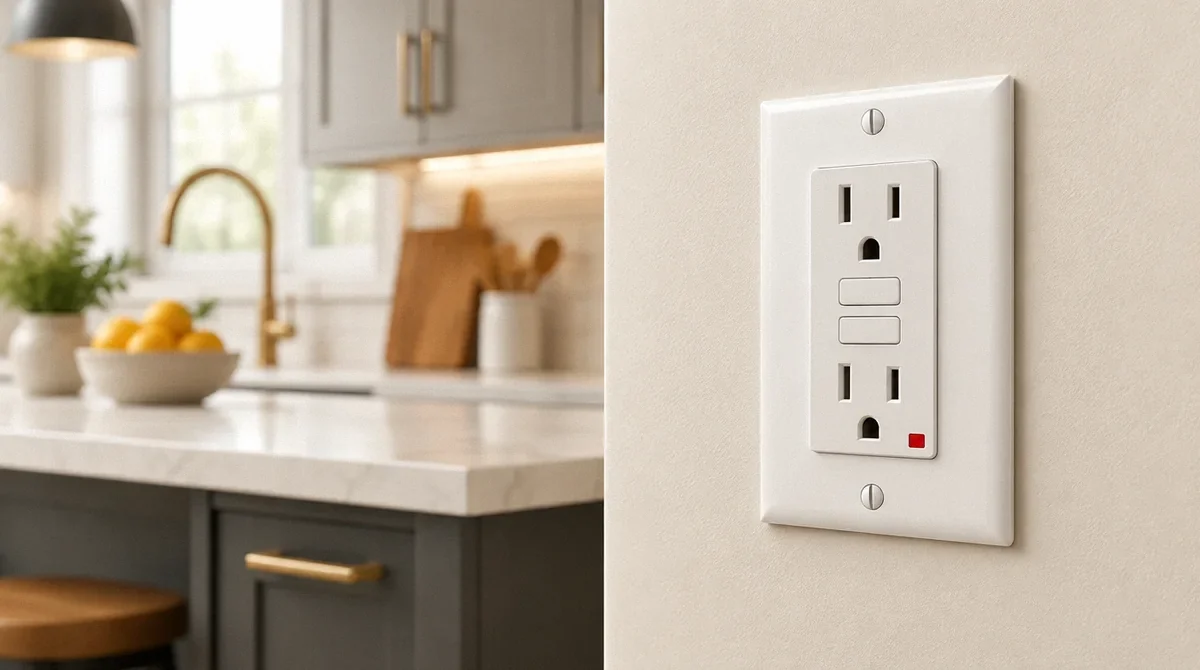
Troubleshooting
GFCI Flashing Red: Check the Model Before Resetting
Read the guide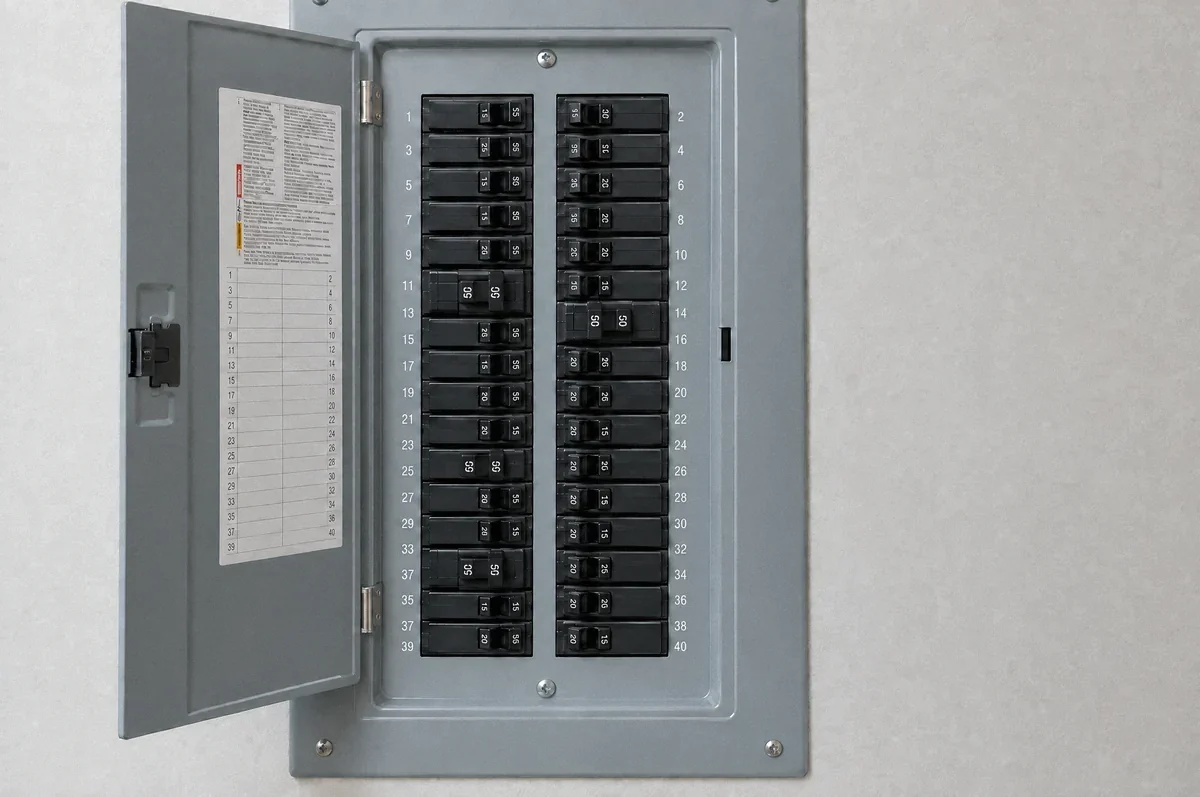
Troubleshooting
Why Do My Breakers Keep Tripping? Causes and Safe Next Steps
Read the guide
Troubleshooting