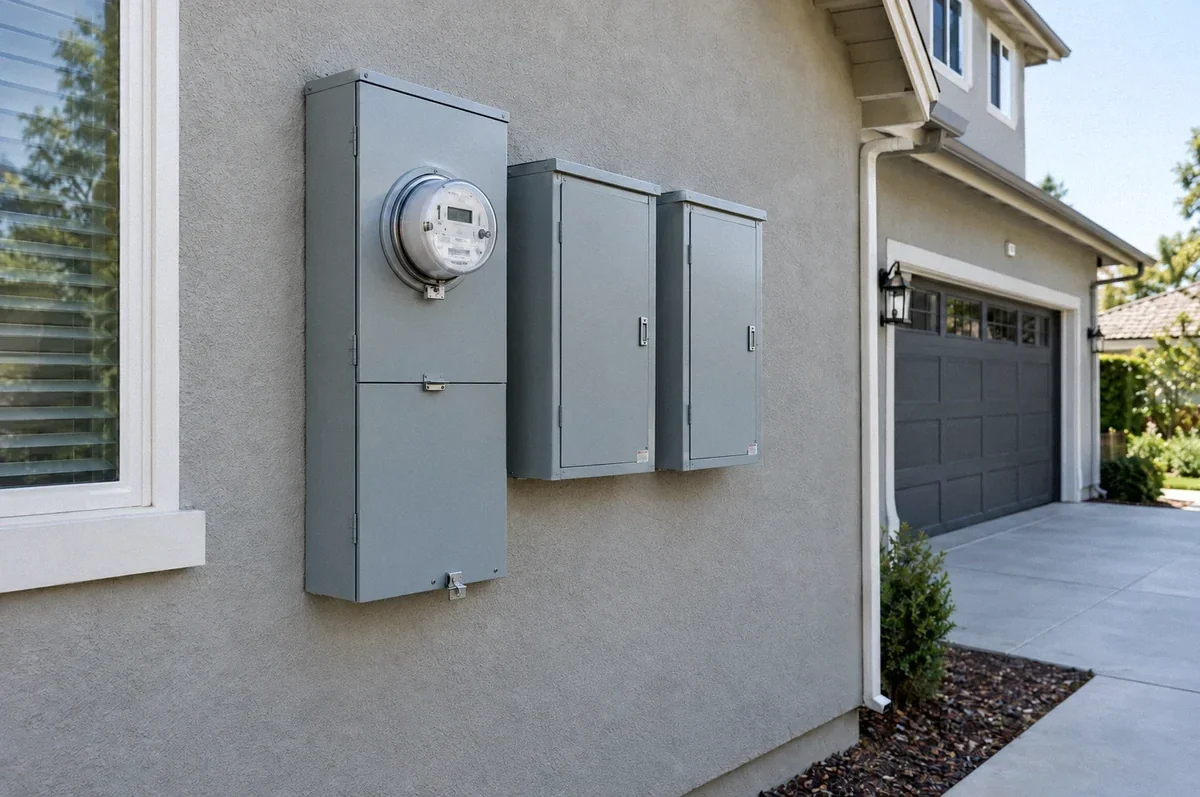

When power goes out and comes back by itself, first establish whether the interruption affected one device, one circuit, or the whole home. A brief utility interruption and a failing connection inside the property can look similar from one room. Returning power does not prove the underlying condition is safe.
Do not repeatedly switch large appliances on to recreate the event. Smoke, active arcing, fire, or signs of a developing fire require leaving the area and calling 911. Stay clear of fallen wires and damaged service equipment.
Whole-home interruption or one affected area?
| Observation | What it helps distinguish | Next step |
|---|---|---|
| Several clocks reset and lights across the home go off together | A common supply interruption is possible | Check and report to the serving utility; record the exact time |
| One room or outlet group repeatedly loses power | A circuit connection, protective device, or equipment problem | Arrange circuit diagnosis and record the affected points |
| Only the router restarts while lights stay normal | Network equipment or its local power supply may be involved | Distinguish power loss from a Wi-Fi or router restart problem |
| Lights brighten in some rooms while dimming in others | A serious voltage or shared-neutral fault is possible | Seek urgent utility and electrical assessment |
A room’s location does not identify its circuit. Likewise, a neighbor’s porch light staying on is not enough evidence to rule out a utility fault affecting your service.
Why brief utility interruptions happen
Utility protection may interrupt supply during a fault and restore it afterward. PG&E’s home power-quality guide distinguishes momentary interruptions from longer outages and other disturbances. The actual cause of your event needs the provider’s records or investigation.
Use current outage information from the electric utility serving the property. This article is not a live outage map. An event can be too brief or too localized to appear in the map you check afterward. Report recurring events even when service has returned, especially when they affect several circuits.
Why a connection fault can be intermittent
A damaged or loose connection may interrupt power as equipment use or temperature changes. A standard breaker may stay on because the problem does not necessarily produce an overcurrent. That makes repeated restoration a poor basis for deciding the circuit is safe.
Stop using an outlet that is loose, discolored, noisy, or giving off an odor. Do not touch it to check temperature or remove its cover. If the pattern is partial power across the home, describe it that way to the utility and electrician.
Keep a short event log
Record observations already available to you. Do not delay an urgent call to collect data.
| Field | Example of useful information |
|---|---|
| Time and duration | Date, approximate start, and whether the event lasted seconds or minutes |
| Extent | Entire home, named rooms, or one appliance; whether lights actually went off |
| Equipment already operating | Charger, cooling equipment, dryer, or another load, without starting it again |
| External conditions | Wind, rain, nearby work, or a utility notice |
| Protective devices | Any visible tripped handle or warning light, without opening equipment |
| Follow-up | Utility reference number, electrician findings, and whether the issue recurred |
This is an observation template, not a completed Fox project or a diagnosis. A phone note is sufficient. Appliance error messages can also help if they remain available through normal controls.
What monitoring can establish
An electrician may need to trace the circuit or record voltage over time if the fault is absent during the visit. PG&E’s voltage complaint process also describes recording voltage when an initial investigation does not identify the problem.
Ask what was confirmed, what was ruled out, and what remains uncertain. “Everything worked during the appointment” is different from identifying and repairing an intermittent defect.
Backup power follows diagnosis
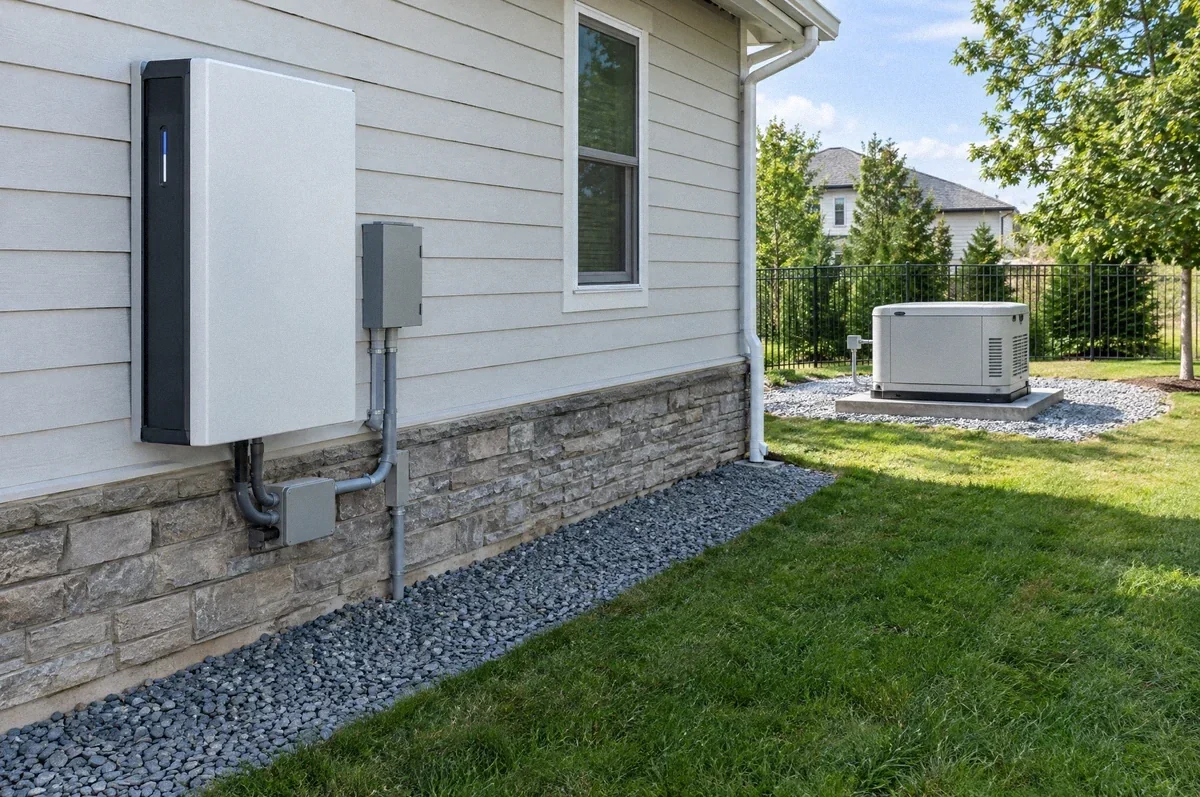
A battery, generator, or small uninterruptible power supply can serve different continuity needs. None should be used to disguise a damaged building circuit. Decide which loads need backup, for how long, and how the equipment will transfer safely between sources. Start with backup-power planning after the existing supply and wiring have been assessed.
For repeated interruptions limited to your property, request electrical troubleshooting with the event log and any utility findings. If the main symptom is flicker rather than complete loss of power, use the flickering-lights guide to describe that distinction.