A home battery stores electricity for later use. A generator produces electricity from fuel. Either can support selected home loads during an outage when installed with appropriate transfer and protection equipment. The useful comparison is how much power the household needs at once, how much energy it needs over time, and how the system will continue operating through the outage you are planning for.
Short interruptions, an overnight outage, and several days with limited solar production are different design cases. Evaluate them separately instead of accepting a promise that a single battery or generator will “run the house.”
Power and energy answer different questions
Power, measured in kilowatts, describes the rate at which electrical equipment operates. Energy, measured in kilowatt-hours, describes consumption or storage over time. A system may have enough stored energy for the evening but insufficient output to start a particular motor.
Tesla’s current Powerwall 3 specifications list 13.5 kilowatt-hours of nominal battery energy and configuration-dependent power ratings. Those are different specifications, and they should not be applied indiscriminately to every Powerwall generation or other battery system.
For an illustrative calculation, 10 usable kilowatt-hours divided by a steady 1-kilowatt load equals ten hours before accounting for system losses or other restrictions. At 2 kilowatts, the same arithmetic gives five hours. Real loads cycle, the battery may not begin full, and usable energy depends on reserve settings and operating conditions. The example explains the relationship; it is not a runtime estimate for a particular product.
Generator selection also separates running demand from starting capability. A pump or compressor can create a brief demand above its normal draw. The generator sizing guide explains how to build the load list used for that assessment.
How the two systems compare
| Factor | Home battery | Fuel generator |
|---|---|---|
| Source of outage energy | Stored energy, plus compatible recharge sources when available | Available fuel and an operating engine |
| Duration limit | Charge level, consumption, usable capacity, and recharge | Fuel supply, operating conditions, maintenance, and equipment condition |
| Local combustion exhaust | None from battery operation | Exhaust must be managed through appropriate outdoor placement |
| Routine care | Monitoring, inspection, software and manufacturer requirements | Engine service, starting system, fuel care, and testing |
| Automatic operation | Available in an appropriate backup design | Common for a compatible standby installation |
| Heavy loads | Limited by the inverter and system configuration | Limited by generator output, starting capability, and fuel configuration |
A battery system is generally quiet compared with an operating engine, but it should not be described as universally silent or maintenance-free. Fans and other equipment can operate, and the installation still needs its prescribed clearances, monitoring, and service.
What solar changes during an outage
Solar can extend battery-supported operation when the installed system can continue producing electricity after it has isolated from the utility. Ordinary grid-connected solar should not be assumed to power the home during an outage on its own.
The existing inverter, battery, transfer equipment, and control arrangement must be compatible. Tesla’s guidance on combining systems describes different arrangements for existing solar and Powerwall products. The presence of panels on the roof does not establish that every battery can be added without other changes.
Use a conservative solar case as well as a favorable one. Winter daylight, clouds, smoke, shading, household consumption, and battery state at the start of an outage affect recovery. Daytime solar must both support current loads and restore energy for later use.
If you do not have solar, a grid-charged battery can still provide useful backup, but it has a finite outage energy budget. Evaluate how much reserve to maintain and what the household will stop using if the outage extends beyond the design case.
What fuel changes during a long outage
A generator can continue producing electricity beyond a battery’s initial stored energy when fuel and operating conditions allow. That can make it useful for longer events, particularly when solar production is limited. It is still not an unlimited supply.
Natural-gas delivery can be interrupted. Propane depends on tank capacity and delivery access. Portable-generator fuel requires storage and safe refueling. Engines also need their prescribed checks and service during extended operation, which can require shutdowns.
The standby versus portable guide compares those operating responsibilities. A permanent automatic unit is different from a portable generator that somebody must deploy and monitor.
Portable exhaust needs particular care. The Consumer Product Safety Commission’s 2026 guidance calls for outdoor use at least 20 feet from homes and buildings with exhaust directed away from openings. Never run a portable generator in a home, garage, shed, or enclosed area. Standby generator placement follows the selected unit’s instructions and applicable siting requirements.
Select the loads, then choose the backup arrangement
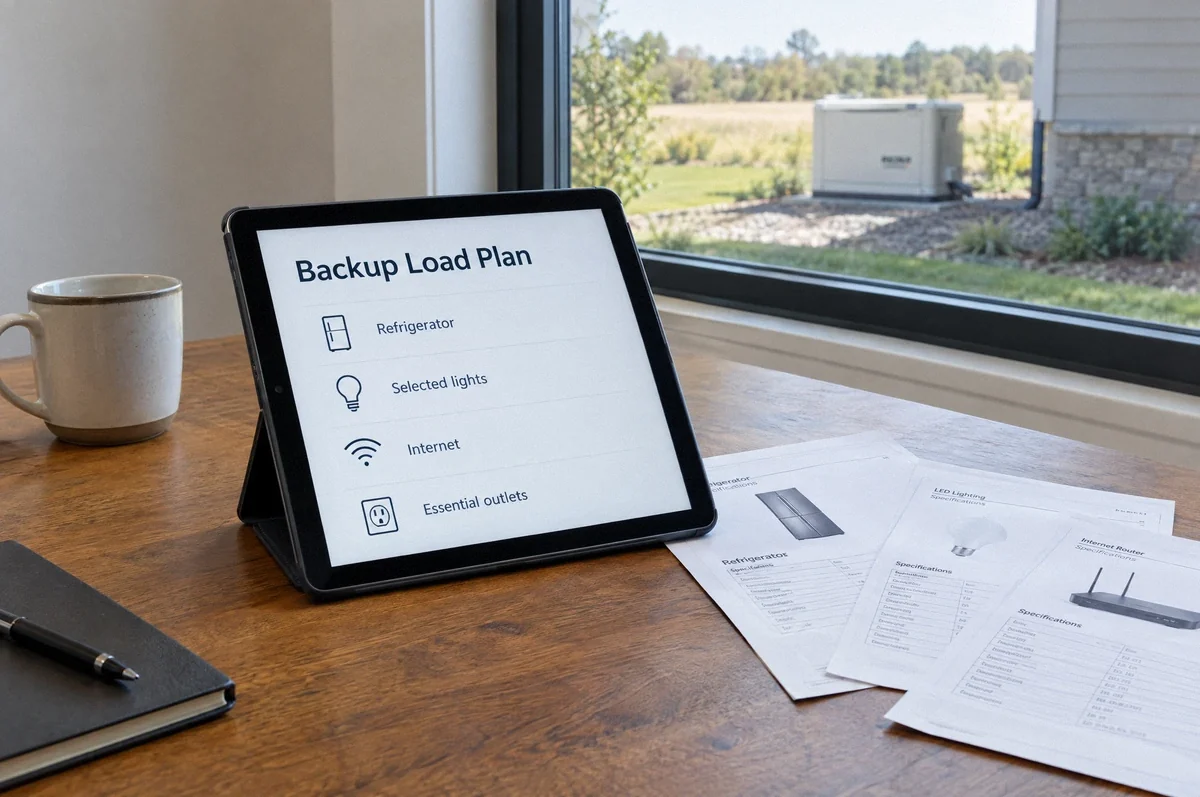
Refrigeration, selected lighting, communications, access equipment, pumps, and heating controls often form the first list. Add cooling, electric heat, or other loads when the occupants’ actual needs make them essential. Medical equipment requires a separate continuity plan confirmed with its provider, including acceptable transfer time and what to do if the backup fails.
A critical-loads panel groups selected circuits for backup. A whole-home arrangement can make all circuits available while still relying on load limits or automatic shedding. Neither approach guarantees that everything can run together for any duration.
For a battery, a large flexible load can use much of the stored energy quickly. For a generator, the same load can use a large share of available output. EV charging, resistance heat, electric cooking, and clothes drying therefore deserve explicit decisions in the backup plan.
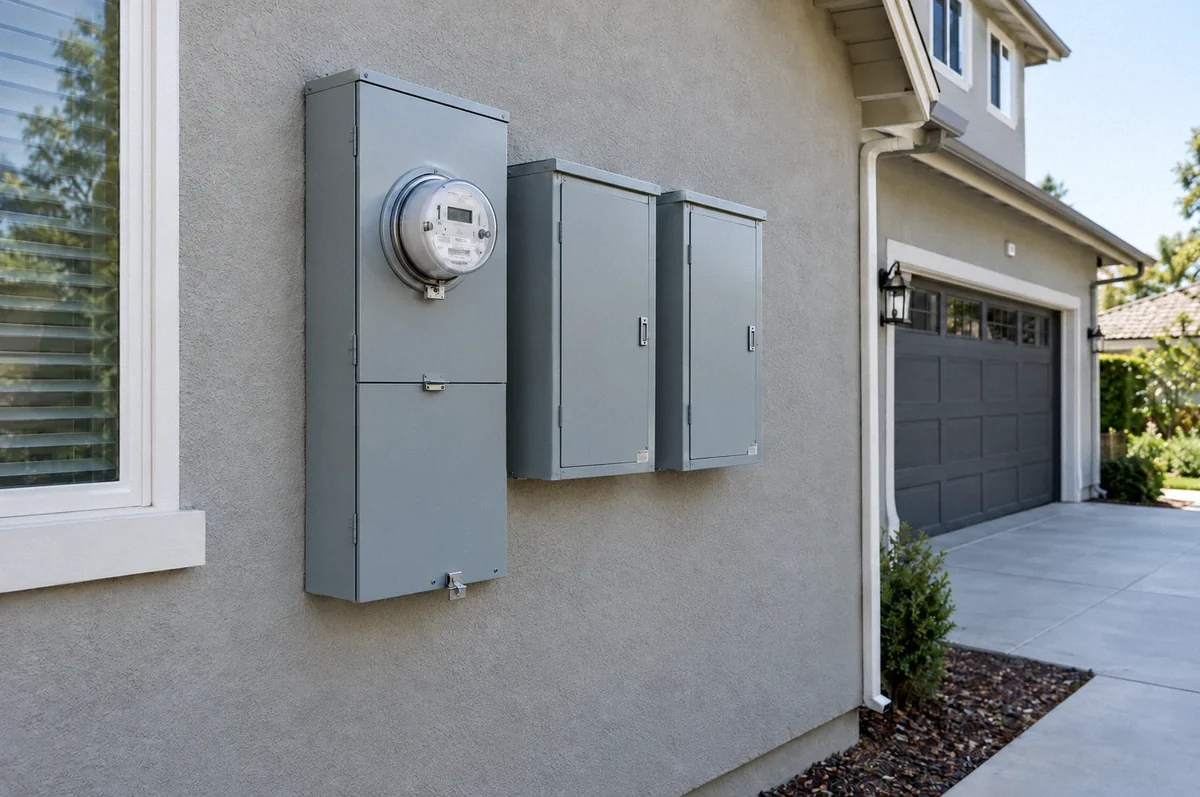
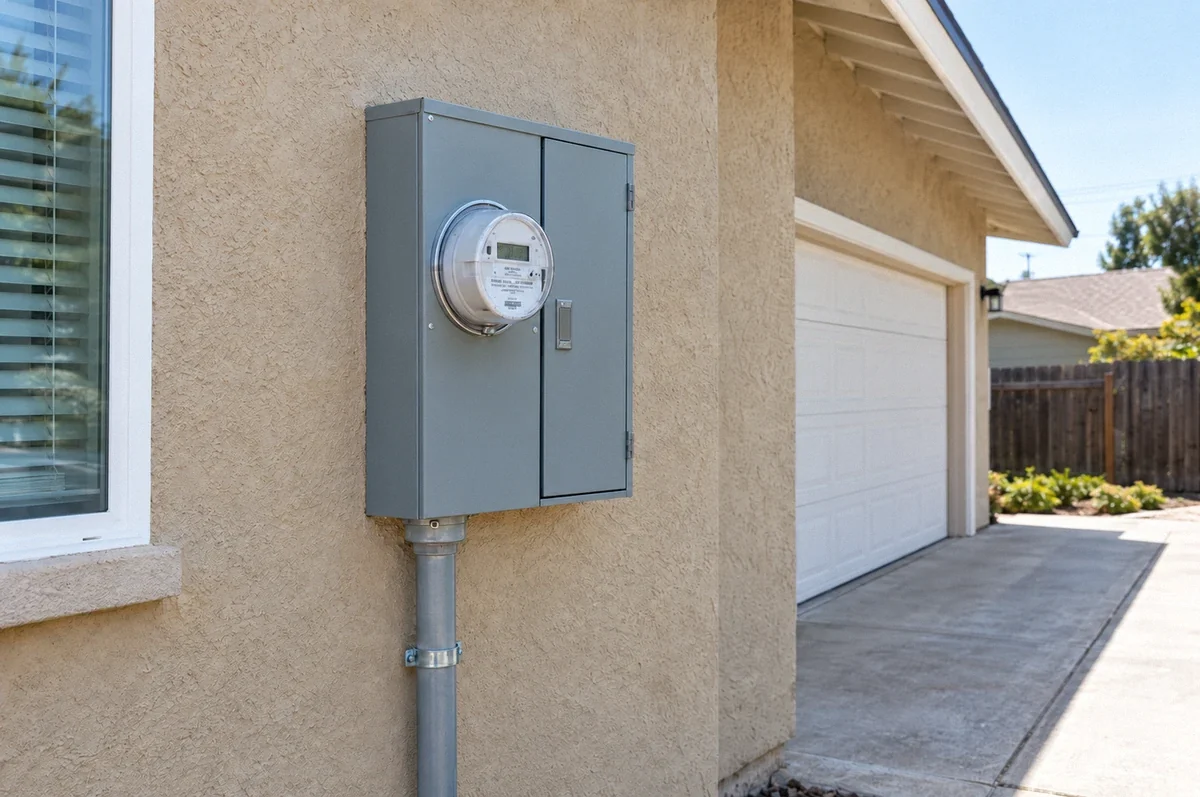
The electrical connection must isolate the home appropriately from the utility during backup. An automatic transfer switch, a manual interlock, and a battery gateway are different kinds of equipment with different applications. Our transfer-equipment guide explains their roles without treating them as interchangeable components.
Combining a battery and generator is a separate design
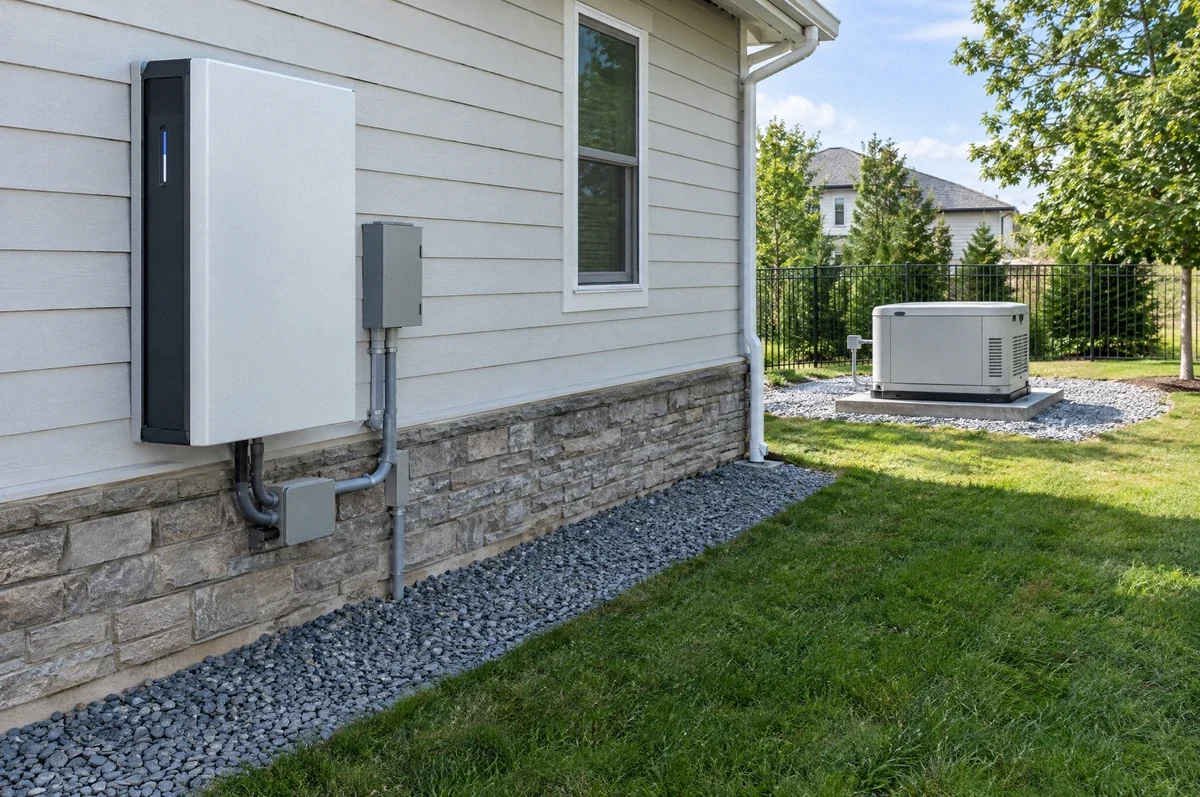
A generator and battery can coexist in some systems, but that does not mean the generator automatically charges the battery. Equipment compatibility and source controls determine the allowed relationship. Tesla’s combining-systems guidance, linked above, describes Powerwall with external transfer equipment and states that the generator does not charge Powerwall in that arrangement.
Ask the designer to show which source supplies each set of loads, how source changes occur, and what remains available when one source is depleted or unavailable. Do not assume a standard EV charger provides vehicle-to-home backup either; that requires compatible vehicle and home equipment with its own approved design.
Compare current incentives and the complete project cost
As of September 13, 2026, a new household battery installation should not be budgeted around the former federal Residential Clean Energy Credit. The IRS states that the credit is unavailable for property placed in service after December 31, 2025. Historical claims and other ownership or tax arrangements require their own review.
California’s Self-Generation Incentive Program has specific budgets and eligibility rules. The CPUC directs applicants to current budget status and program administrators. A program’s existence does not confirm that funding is available for your household, equipment, or project timing.
Compare equipment, electrical changes, transfer hardware, permits, placement, fuel work where applicable, restoration, commissioning, and ongoing care. Include solar compatibility work for the battery option and extended-operation service for the generator option. Avoid assigning either system a universal lowest lifetime cost.
Fox Electric can review the electrical supply and proposed backup loads for generator installation and backup planning. Send your load priorities, existing solar information, and outage-duration goals to define the electrical scope and identify any manufacturer-specific installation requirements.