
Santa Clara County
EV Charger Installation in Palo Alto, CA
Palo Alto's residential EV charging checklist connects the equipment location, electrical drawing, manufacturer documents, and information for the Utilities Department.
Free estimate →Prepare One Consistent Plan for the Charger and City Review
Palo Alto's residential EV charging checklist connects the equipment location, electrical drawing, manufacturer documents, and information for the Utilities Department. Fox Electric uses the actual parking and supply arrangement to define that package. The project should remain consistent from the estimate through installation, so a charger model or location change does not leave the permit documents describing a different system.
Palo Alto has its own municipal electric utility. Confirm the service provider and jurisdiction for the exact property before following another city's process or relying on PG&E assumptions. Bring existing panel information, proposed charger specifications, and any planned service changes to the assessment. Do not remove equipment covers to collect photographs or ratings.
Start With the City's Current EVCS Checklist
The city's 2026 residential Electric Vehicle Charging System checklist calls for electronic submission through Accela. It separates plan information from supporting documents and asks for the equipment location, electrical diagram, manufacturer specifications, and EVCS information for Utilities. These are coordinated project records, not independent attachments selected after construction.
Use the current city checklist to establish the submission details for your project. It includes additional location-related information where applicable, such as indoor layouts or flood-zone equipment elevations. Whether a particular condition applies must be established for the property; it should not be inferred from a neighborhood name or assumed to affect every Palo Alto home.
Tie the Drawing to the Actual Parking Position
The site assessment should show where the vehicle normally parks, where the charging inlet sits, and how the cable will be stored. Include garage doors, cabinets, walkways, and the space needed around equipment. A drawing that places the charger on an empty wall should still work when the car and ordinary storage are present.
For an interior installation, identify the supplying panel and any separate disconnect involved in the design. For an exterior installation, discuss the mounting and exposure conditions. These choices affect the route and installation details, so they should be resolved before the plan set is treated as complete.
Review Capacity and Any Utility Work Separately
The charger circuit needs to fit the existing electrical system or a clearly defined modification. A load calculation estimates demand from the relevant equipment. The electrician also needs to evaluate panel condition and the supply route. Neither a high panel rating nor an empty breaker position is enough by itself to establish suitability.
If service equipment changes are needed, identify the municipal utility coordination alongside the building permit work. The owner should know whether the quote includes those steps and what outside approvals affect scheduling. A lower designed charging output or compatible load management may be worth comparing when supported by the assessment and applicable requirements.
Keep Equipment Selection and Application Documents Aligned
Provide the exact charger model and installation instructions, including how it will connect and what output will be configured. A different model can change the physical mounting, circuit requirements, or control arrangement. If equipment availability forces a substitution, review the change before assuming the existing documents remain accurate.
Specify who supplies the charger and who resolves manufacturer warranty questions. If network setup is included, establish account ownership and the commissioning scope. Electrical completion and an app login are different tasks. The proposal should make both understandable without promising that every home network or vehicle setting is part of the electrician's responsibility.
Prepare the Inspection and Owner Handoff
Palo Alto's checklist identifies an EVCS final inspection and calls for approved plans, the permit card, and installation instructions to be available on site. Assign responsibility for that document set and for access to the charger and supplying equipment. Confirm any additional inspections applicable to associated work.
After completion, retain the operating limit, circuit directory entry, equipment instructions, and inspection result. Ask which settings the owner may change and which reflect the electrical design. When a new vehicle or additional appliance is added later, those records help determine whether the existing installation remains suitable or needs another assessment.
Local Planning Resources
- Palo Alto 2026 residential EVCS submittal checklist
- Palo Alto building permit applications
- Palo Alto Utilities electric service requirements
Planning information updated October 10, 2026. Confirm requirements for the property and proposed work with the issuing authority.
Palo Alto FAQ
Does a Palo Alto charger project use PG&E's service process?
For a property served by City of Palo Alto Utilities, coordinate electric service matters with the municipal utility. Confirm the exact service address and provider first. Building permit review and utility coordination remain distinct tasks even though both involve city departments, and the estimate should identify each where needed.
Can the charger location move after the permit is approved?
A change can affect the route, drawings, and installation requirements. Review it with the contractor and city before assuming the approved documents cover the new arrangement. It is easier to evaluate parking and cable reach during design than to discover a poor location after the circuit has been installed.
Are flood-zone details required for every installation?
The city's checklist makes those details conditional on the site. Confirm whether the property and proposed equipment location are subject to them. Do not apply a general elevation rule to every house or omit a site condition merely because the charger is being installed inside an existing garage.
Does adding a Level 2 charger require a larger Palo Alto service?
It depends on the electrical assessment and desired charging output. Review existing and planned loads alongside the panel condition and supply route. A lower configured output or compatible management system may suit some projects. Where capacity must increase, describe the home electrical work separately from any municipal utility connection work.
How can a charger reach an Eichler garage with no attic access?
Assess wall and exterior routes using the home's actual construction and finishes. Do not assume an attic path or that the slab can simply be opened. Existing drawings and information about concealed building systems help compare options. Settle the route and visible conduit expectations before preparing the final charger location on the permit drawings.
What belongs in Palo Alto's residential EV charging permit package?
The city's checklist calls for the equipment location, electrical diagram, manufacturer specifications, and information for the Utilities Department. Coordinate those items around the same charger and supply arrangement. The exact property may require additional details, so use the current checklist instead of treating a product brochure and panel photograph as a complete submission.
Which documents should be available for the Palo Alto final inspection?
The city's residential checklist identifies approved plans, the permit card, and installation instructions for the EV charging final inspection. Arrange access to the charger and supplying equipment and confirm any inspections for associated work. Keep the final result with the configuration records so later changes can be checked against what was approved.
Should I budget for a Palo Alto utility incentive before choosing equipment?
Check current eligibility, equipment rules, application timing, and funding with City of Palo Alto Utilities before subtracting an incentive from the price. Distinguish assistance for a utility connection from payment toward home wiring or a panel. Keep the installation quote understandable without assuming approval for a program that has not been confirmed.
Does changing vehicles mean I should choose a receptacle instead of hardwiring?
Not necessarily. Future compatibility depends on the particular vehicle connection and charging equipment, rather than the presence of a receptacle alone. Compare the models you expect to use, the proposed output, and manufacturer instructions. Document the selected connection method in the permit package so a later equipment substitution receives the appropriate review.
Who should own the charger app account after installation?
The owner or designated property manager should retain account access and the equipment records. Specify whether initial network setup is included in commissioning and which everyday settings can be changed. An app login does not authorize changing the installed electrical limit; retain that limit with the circuit and inspection information for future support.
Discuss your project
Plan Your Charging Installation in Palo Alto
Tell us which vehicle you drive, where you park, and whether you already have a charger in mind. Include plans for a second EV, solar, or battery storage. We can discuss the assessment needed to define capacity, the wiring route, and your installation scope.
Serving homes and businesses in the San Francisco Bay Area and Santa Cruz.
(650) 550-0719Fox Electric is the marketing name of Fox Electric LLC. CSLB #1145945, C-10.
Related electrical guides
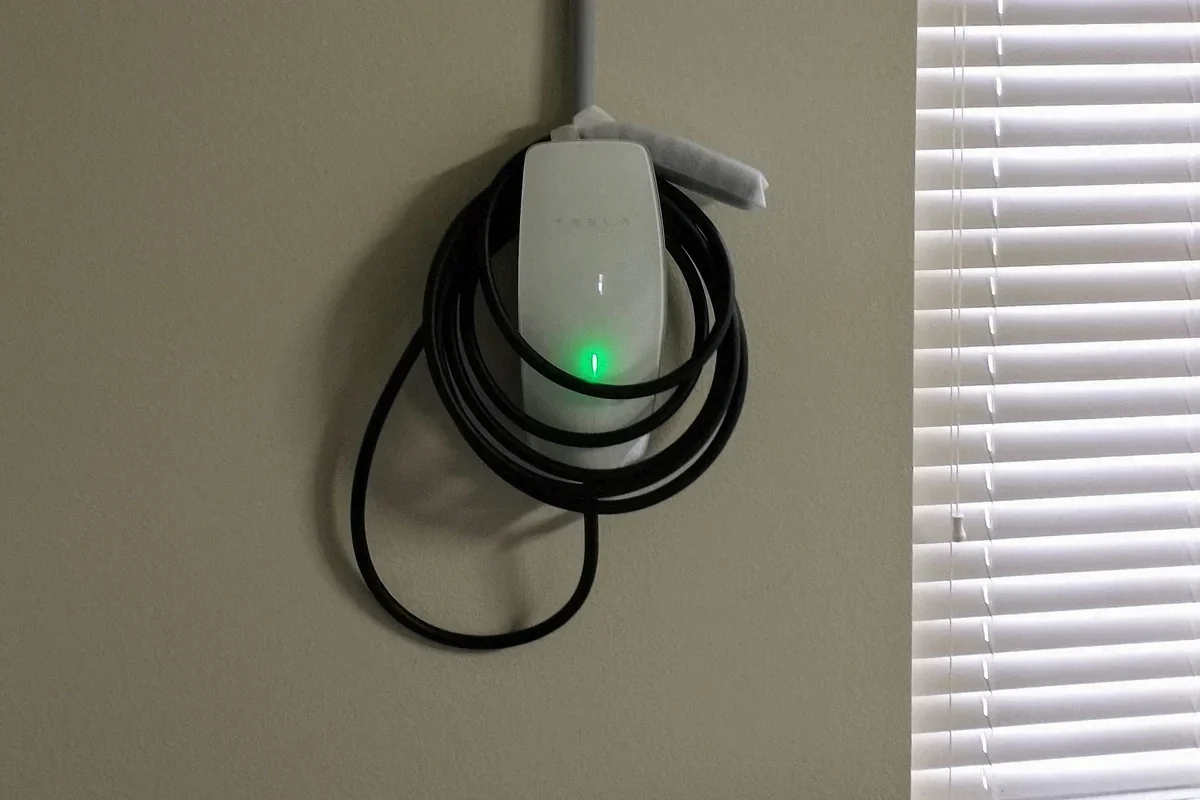
Reference photo: Whoisjohngalt / Wikimedia Commons. CC BY-SA 4.0. Cropped. Source and license in article.
EV Charging
EV Charger Installation Cost in the Bay Area: 2026 Scope Guide
Read the guide
EV Charging
Can a 100-Amp Panel Handle an EV Charger?
Read the guide
EV Charging