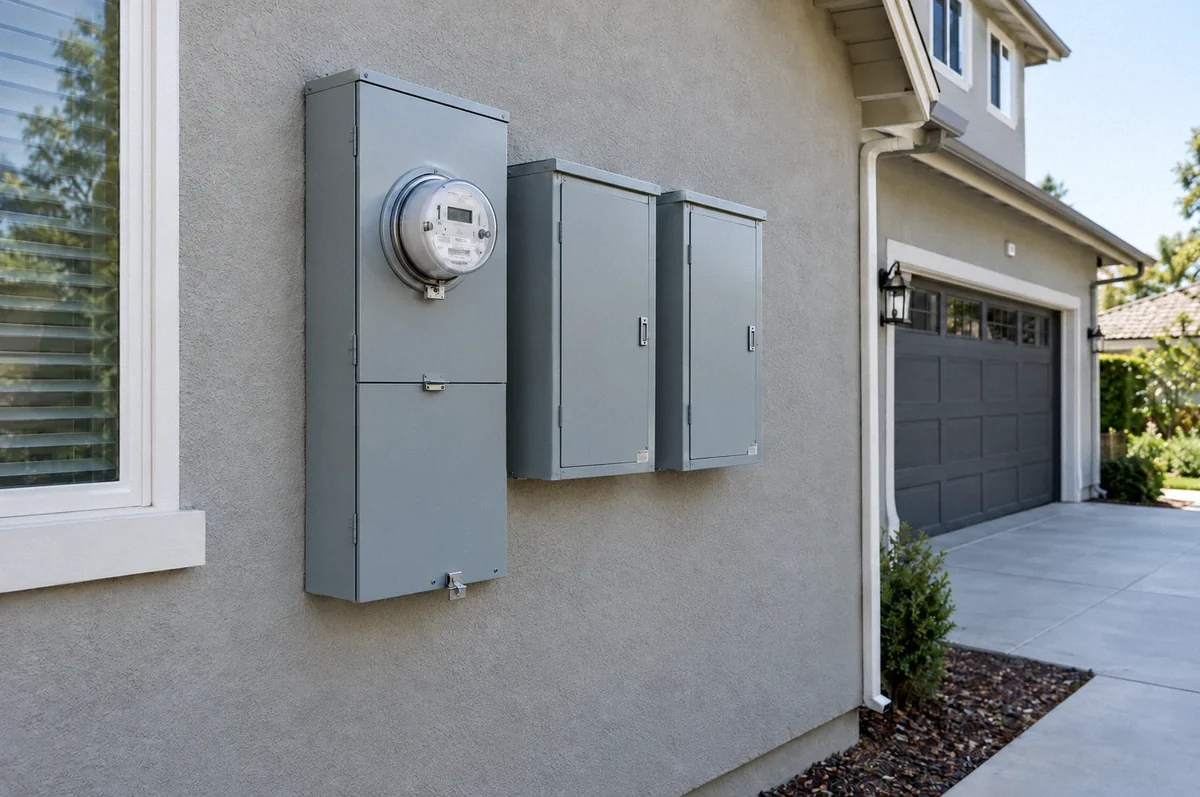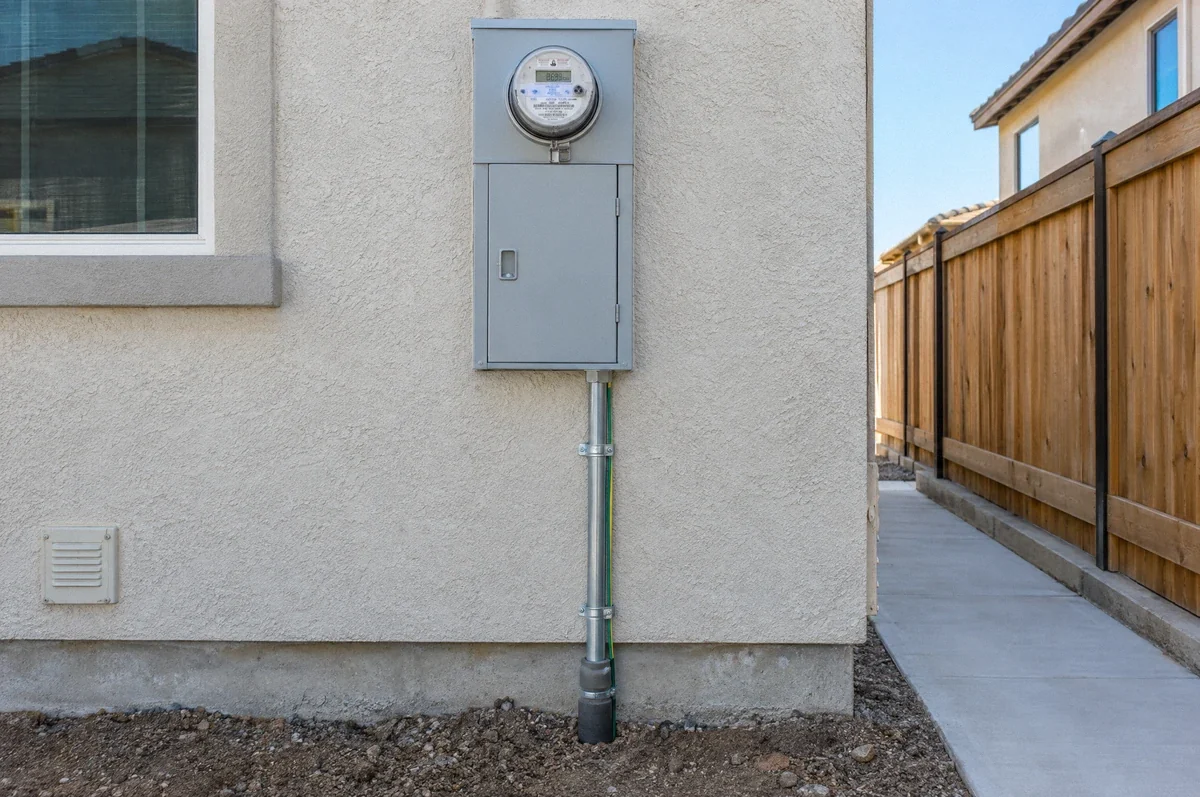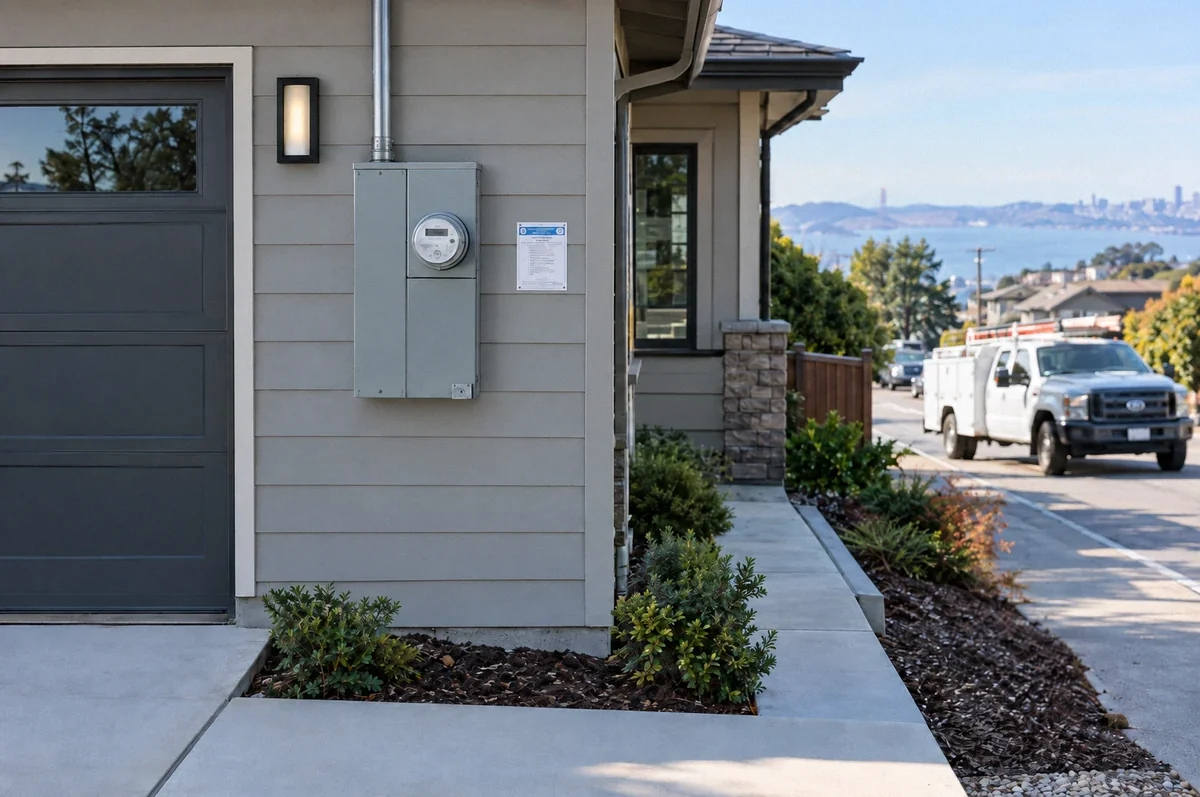
The time your power is off is only one part of a panel upgrade. Before construction, the project may need a load assessment, utility review, an approved meter location, a local permit, equipment procurement, and coordinated inspection and reconnection. A straightforward replacement and a service increase requiring utility construction can have very different schedules.
Do not base a remodel deadline on a promise that every panel job takes one day. Some installations can be completed and released for reconnection within one workday. Others require longer or phased interruptions. The reliable schedule is the one tied to the actual approvals, equipment, and utility arrangements for your address.
First, identify which project you are doing
A panel replacement changes distribution equipment and may retain the existing service rating. A service upgrade increases the capacity of the incoming supply and associated equipment. A new subpanel adds distribution space downstream. These are different scopes and may involve different utility actions.
The initial assessment should record the existing service, meter and panel locations, overhead or underground supply, grounding arrangement, and planned loads. A load calculation helps determine the required capacity, while the equipment inspection establishes condition and compatibility.
Define what is included: existing circuit transfers, new circuits, meter relocation, feeder replacement, trenching, and restoration. Utility requirements are much easier to resolve when the project has a coherent scope instead of a request that says only “bigger panel.”
Urgent damage follows a different path from planned electrification. Smoke, flame, or active arcing requires keeping away from the equipment and contacting emergency services. A standard upgrade timeline is not an emergency response plan.
Confirm the utility and permit authority for the address
PG&E serves many Bay Area properties, but it is not the electric utility everywhere. A postal address or a general reference to “the Peninsula” does not establish the provider. Use the actual service account and location.
Palo Alto, for example, publishes its own service applications and electrical requirements. Its standards may differ from PG&E’s. The process described below uses PG&E as the utility example, not as an assumption for every city.
The permit authority is also address-specific. Incorporated cities generally administer their own building permits, while counties handle properties within their unincorporated jurisdiction. San Mateo County’s building guidance lists residential and commercial electrical service upgrades among its online applications. That does not make the County the permit authority for every address in San Mateo County.
Start utility review while the design can still change
Where utility involvement is required, submit the project information early. Meter location, service size, equipment arrangement, and the supply route may need review before the contractor can finalize the installation. Utility review and permit preparation can overlap; they are not universally a fixed sequence in which the permit must be finished before the utility is contacted.
PG&E’s panel upgrade roadmap asks for the full load needs and useful site information, including existing service photographs, the proposed panel location, and equipment details. It also notes that project complexity and request volume affect completion time.
The approved meter location is sometimes called a meter spot. A familiar old location is not automatically acceptable for the proposed new arrangement. Resolve conflicts with access, clearances, building features, and the utility connection before ordering equipment or closing walls.
The outcome may be a relatively limited disconnect-and-reconnect scope, or it may require additional design and construction. A project number or assigned representative is a milestone, not a confirmed date for field work.
Obtain the local permit for the agreed scope
The permit application should describe the equipment, rating, location, and associated work. Supporting documents may include a load calculation, site plan, one-line diagram, equipment specifications, and other items requested by the authority.
The California Building Standards Commission identifies the 2025 code edition as effective January 1, 2026. The California Electrical Code is Title 24, Part 3; the Energy Code is Part 6. Which requirements apply depends on the permit, scope, and local amendments. A panel project should not describe Title 24 as only an energy-efficiency rulebook.
Agree in writing who prepares and submits the application, responds to corrections, pays applicable fees, and schedules inspections. Also identify any owner authorization or utility-account information needed. Avoid duplicate utility applications from different parties working on the same project.
The building department determines applicant eligibility and its permit process. Regardless of who submits an application, that does not authorize work on utility-owned equipment. PG&E states that only its employees or authorized contractors may disconnect, reconnect, or work on its electric facilities. See its Building and Renovation service guidance.
Build the construction date around confirmed dependencies
Before setting the outage, confirm that the required approvals are ready, the specified equipment is on site, and the work area is accessible. The utility disconnection, contractor’s work, required inspection, and reconnection must fit the agreed sequence.
An overhead job with limited utility work may differ substantially from an underground service relocation. Weather, hidden damage, inspection corrections, or a change in utility scope can affect the date. Special meter equipment and larger assemblies may also have procurement lead times that dominate the calendar.
Ask the contractor which milestones are confirmed and which remain estimates controlled by another party. A useful plan identifies the contact procedure if the inspector is delayed, the release has not reached the utility, or reconnection cannot occur in the expected window.
Prepare for the planned power interruption
The preparation should match the household rather than a generic number of outage hours. Consider work, internet access, access-control devices, refrigeration, pets, and anyone who cannot remain safely without power.
- Charge phones and portable batteries ahead of time.
- Arrange any medical-equipment support with the responsible provider and household care team.
- Identify a suitable alternative location if the interruption would make staying home impractical.
- Plan food storage using current food-safety guidance, and limit refrigerator and freezer opening.
- Confirm access through powered gates and garage doors before the interruption.
- Clear the meter, panel, and agreed work areas of stored items.
- Tell the contractor about solar, battery, generator, or other power sources.
Do not improvise a way to feed electricity into house wiring. Any temporary supply needs an appropriate design and authorized connection. If a generator is part of the contingency, review the transfer-switch planning guide before the construction date.
Inspection, release, and reconnection are distinct milestones
The work is inspected at the stages required by the permit. Some projects need an approval or service release for reconnection before every part of a broader remodel has reached final completion. Others have a single electrical completion inspection. Confirm the sequence with the authority and utility rather than assuming “final inspection” means the same thing on every project.
A passed inspection does not mean the utility has already received the release or dispatched a crew. PG&E notes that many agencies send results directly, while other circumstances require the responsible party to forward them. The project should identify who verifies receipt and completes the reconnection arrangements.
After power is restored, the electrician completes the checks and commissioning appropriate to the installation. The homeowner should receive the circuit directory, equipment information, relevant inspection records, and any operating instructions. If the service remains at a temporary or existing rating pending another phase, that limitation must be stated clearly.
What to ask before accepting a schedule
Ask whether the utility has confirmed its scope and meter arrangement, whether the permit matches that scope, and whether the equipment is available. Confirm who schedules each visit and what would happen if the planned reconnection is delayed.
The estimate should also separate contractor work from utility charges and allowances for work not yet established. Our panel upgrade cost guide explains how to compare those items. If you are still deciding whether replacement or more capacity is needed, start with the panel assessment guide.
For a planned project, contact Fox Electric about a panel or service upgrade. Include the address, intended loads, and remodel timing so the proposal can distinguish the construction outage from the approvals and utility work that come before it.